









Chinese Hackers Exploit WordPress and Zyxel Vulnerabilities for Government Data Theft
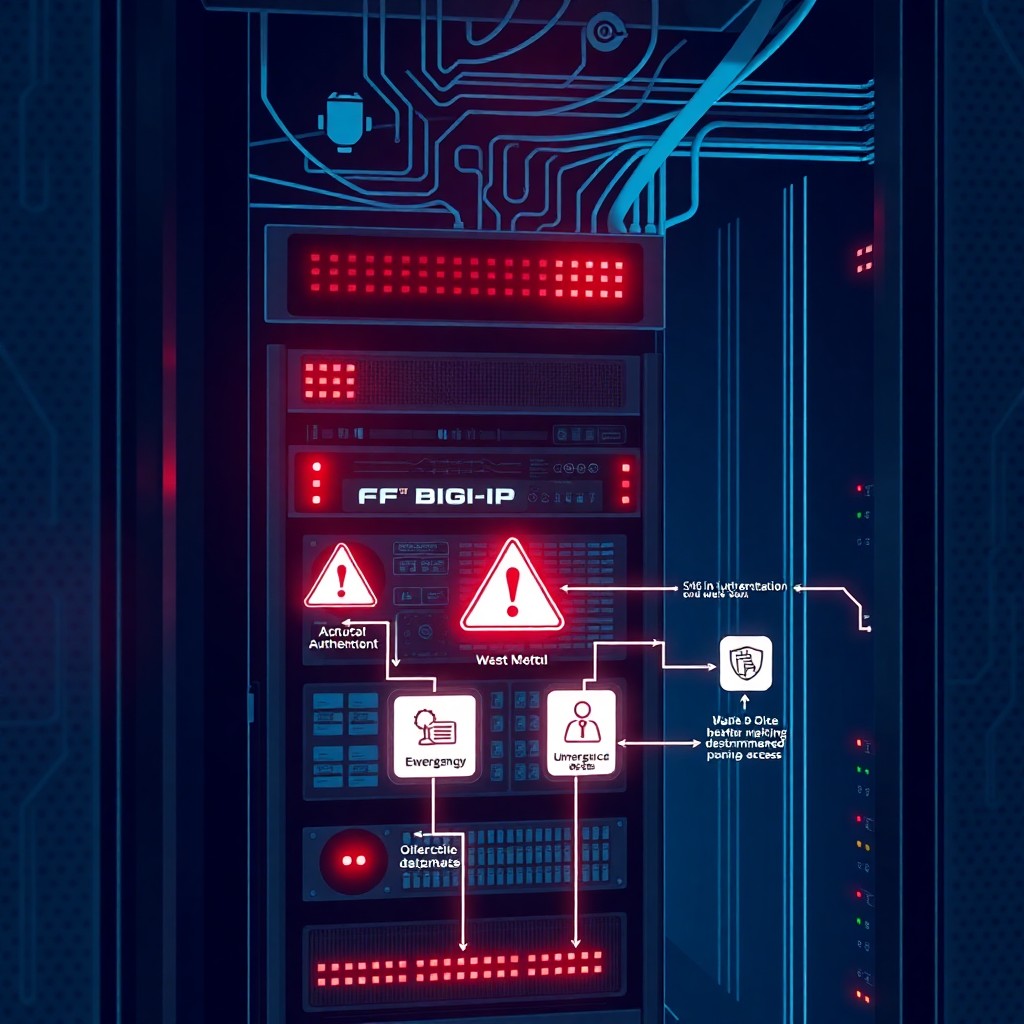
A sophisticated Chinese-speaking threat actor has launched a coordinated campaign exploiting vulnerabilities in ZyXEL GS1900 Smart Managed Switches and WordPress installations to compromise government systems worldwide. The operation has successfully harvested over 18,500 sensitive records from 996 devices, targeting network infrastructure and web applications simultaneously. Organizations using affected ZyXEL switches or WordPress must immediately apply available patches, conduct forensic log analysis, and assess potential data exposure. This multi-vector attack demonstrates the continued targeting of known vulnerabilities in enterprise and government environments for intelligence gathering purposes.
Introduction
Government agencies worldwide face an active exploitation campaign targeting critical network infrastructure and content management systems. A Chinese-speaking advanced persistent threat (APT) actor has weaponized vulnerabilities in ZyXEL GS1900 series switches and WordPress platforms to establish persistent access and exfiltrate sensitive government data at scale.
The campaign’s sophistication lies not in novel zero-day exploitation, but in the coordinated targeting of two distinct technology stacks simultaneously. By compromising both network-layer infrastructure and application-layer systems, the threat actor has achieved comprehensive access to target environments, enabling credential harvesting, network mapping, and data theft operations.
With over 18,500 records stolen from nearly 1,000 devices, this operation represents a significant intelligence collection effort targeting government entities. The use of known vulnerabilities highlights the persistent security gap between vulnerability disclosure and effective patching across government IT infrastructure.
Background & Context
ZyXEL GS1900 Smart Managed Switches serve as foundational network infrastructure components in small-to-medium enterprise and government environments. These Layer 2 managed switches provide VLAN configuration, port management, and network segmentation capabilities, making them attractive targets for attackers seeking network-level persistence and visibility.
WordPress powers approximately 43% of all websites globally, including numerous government portals, information systems, and departmental websites. Its widespread deployment, combined with inconsistent patch management across the plugin ecosystem, creates a substantial attack surface that nation-state actors routinely exploit.
Chinese-speaking APT groups have historically demonstrated sustained interest in government data collection through infrastructure compromise. Previous campaigns have targeted routers, firewalls, and network appliances to establish long-term access, map internal networks, and position for follow-on operations. This latest campaign follows established tradecraft patterns while adapting to target currently deployed technologies in government environments.
The exploitation of both network infrastructure and web applications simultaneously suggests a well-resourced operation with diverse technical capabilities and clear intelligence requirements focused on government entities.
Technical Breakdown
The attack chain involves distinct exploitation vectors for ZyXEL and WordPress systems, converging on data exfiltration objectives.
ZyXEL GS1900 Exploitation
The threat actor targets authentication bypass and command injection vulnerabilities affecting ZyXEL GS1900 series switches. Exploitation begins with unauthenticated access to the device management interface, followed by command execution to establish persistence and enable traffic monitoring capabilities.
Attackers leverage vulnerabilities such as CVE-2023-28769, which allows authentication bypass through specially crafted HTTP requests. Once authenticated, they deploy web shells and credential harvesting scripts to extract configuration data, VLAN information, and network topology details.
Command execution typically follows this pattern:
POST /cgi-bin/dispatcher.cgi HTTP/1.1
Host: [target_switch_ip]
Content-Type: application/x-www-form-urlencoded

cmd=show+running-config&sessionid=[bypassed_session]
The stolen running configurations provide network architecture intelligence, VLAN assignments, and routing information valuable for lateral movement planning.
WordPress Exploitation
WordPress compromise occurs through exploitation of vulnerable plugins, themes, or core installations lacking security updates. Common vectors include:
- SQL injection in vulnerable plugins enabling database access
- Authentication bypass in outdated WordPress versions
- File upload vulnerabilities allowing web shell deployment
- XML-RPC amplification for brute force attacks
After initial compromise, attackers install backdoors disguised as legitimate plugins or theme components:
These backdoors enable persistent access for database extraction, user enumeration, and content harvesting from government websites.
Data Exfiltration
The campaign has successfully extracted 18,500+ records containing:
- User credentials and authentication tokens
- Network configuration data from ZyXEL devices
- Database contents from WordPress installations
- Internal documentation and government communications
- Network topology and segmentation information
Exfiltration occurs through encrypted HTTPS connections to attacker-controlled infrastructure, blending with legitimate traffic patterns to evade detection.
Impact & Risk Assessment
The compromise of 996 devices across government entities represents significant intelligence collection capability for the threat actor. The stolen data enables multiple downstream risks:
Immediate Risks:
- Unauthorized access to government networks through stolen credentials
- Network reconnaissance enabling targeted follow-on attacks
- Exposure of sensitive government communications and documentation
- Potential compromise of citizen data stored in affected systems
Strategic Risks:
- Long-term persistent access to government infrastructure
- Intelligence gathering supporting geopolitical objectives
- Supply chain reconnaissance for future operations
- Compromise of inter-agency communications and coordination
The coordinated exploitation of network and application layers demonstrates adversary capability to execute multi-vector campaigns, increasing both the likelihood and impact of successful compromise.
Government entities in the affected pool face regulatory compliance concerns, potential notification requirements, and operational disruption from incident response activities. The reputational impact of government data breaches extends beyond individual agencies to undermine public trust in digital government services.
Vendor Response
ZyXEL has released firmware updates addressing known vulnerabilities in GS1900 series switches. The vendor published security advisories recommending immediate firmware upgrades and implementation of network segmentation to isolate management interfaces.
ZyXEL advisory guidance includes:
Firmware Version: V2.70(AAZI.3) or later
Download: support.zyxel.com
Recommended: Disable remote management
Implement: Management VLAN isolation
WordPress has published core security updates and maintains a plugin/theme vulnerability database. The WordPress security team recommends enabling automatic updates for core installations and maintaining plugin/theme currency.
However, vendor patches alone do not remediate active compromises. Organizations must conduct forensic investigations to identify whether they were targeted, assess data exposure, and remove attacker persistence mechanisms before applying patches.
Mitigations & Workarounds
Organizations should implement immediate protective measures:
ZyXEL Switch Hardening:
no http server

# Restrict management access
management-vlan 999
ip source-guard interface all

# Enable logging
logging on
logging host [SIEM_IP] port 514
WordPress Security Measures:
- Update WordPress core to latest version
- Audit and update all plugins and themes
- Remove unused plugins and themes
- Implement Web Application Firewall (WAF) rules
# .htaccess protection

order allow,deny
deny from all
Network-Level Controls:
- Segment management networks from production
- Implement strict access control lists (ACLs)
- Enable multi-factor authentication for all administrative access
- Deploy intrusion prevention systems (IPS) monitoring for known exploits
Immediate Actions:
- Inventory all ZyXEL GS1900 devices and WordPress installations
- Apply vendor security updates immediately
- Reset all administrative credentials
- Review logs for indicators of compromise
- Conduct vulnerability scans across the environment
Detection & Monitoring
Security teams should implement detection capabilities targeting exploitation indicators:
ZyXEL Switch Monitoring:
# Monitor for authentication anomalies
show authentication log

# Review configuration changes
show configuration log

# Check for unauthorized access
show login history
WordPress Indicators:
- Unexpected plugin installations
- Modified core files
- Unusual database queries in logs
- New administrative user accounts
- File modifications in wp-content directories
Network Detection:
Monitor for suspicious patterns:
Source: Internal networks
Destination: External IPs (China-based ASNs)
Protocol: HTTPS
Volume: Large data transfers during off-hours
Frequency: Regular beacon intervals
Log Analysis Queries:
SELECT * FROM wp_users
WHERE user_registered > '2024-01-01'
AND user_login NOT IN (known_admins);
SIEM correlation rules should alert on:
- Multiple failed authentication attempts followed by success
- Configuration changes outside maintenance windows
- Outbound connections to suspicious foreign IP ranges
- Web shell patterns in HTTP logs
- Unusual database export activities
Best Practices
Long-term security posture improvement requires:
Asset Management:
- Maintain comprehensive inventory of network devices
- Track WordPress installations and plugin versions
- Implement automated vulnerability scanning
Patch Management:
- Establish 72-hour critical patch deployment timeline
- Enable automatic updates for WordPress core where feasible
- Subscribe to vendor security advisories
Access Control:
- Implement principle of least privilege
- Require MFA for all administrative access
- Use separate management networks with strict ACLs
Security Monitoring:
- Deploy SIEM with correlation rules for exploitation patterns
- Enable comprehensive logging on all devices
- Conduct regular log review and threat hunting
Incident Response:
- Develop playbooks for infrastructure compromise scenarios
- Conduct tabletop exercises simulating multi-vector attacks
- Establish forensic investigation procedures
Third-Party Risk:
- Assess security of vendor products before deployment
- Require security testing for all internet-facing systems
- Implement defense-in-depth architecture
Key Takeaways
- Chinese-speaking threat actors are actively exploiting ZyXEL switch and WordPress vulnerabilities targeting government entities
- Over 18,500 records stolen from 996 devices demonstrate significant intelligence collection success
- Multi-vector attacks combining infrastructure and application exploitation increase compromise likelihood
- Immediate patching of ZyXEL GS1900 switches and WordPress installations is critical
- Forensic investigation is necessary to identify active compromises before remediation
- Network segmentation and access controls provide defense-in-depth protection
- Continuous monitoring and threat hunting capabilities enable earlier detection of sophisticated campaigns
References
- ZyXEL Security Advisory: GS1900 Series Vulnerabilities
- WordPress Security Release Archive
- MITRE ATT&CK: Initial Access (T1190) – Exploit Public-Facing Application
- CISA Known Exploited Vulnerabilities Catalog
- Network Device Security Best Practices Guide
Stay updated at https://cydhaal.com — Your Daily Dose of Cyber Intelligence.
📧 Subscribe to our newsletter at https://cydhaal.com/newsletter/