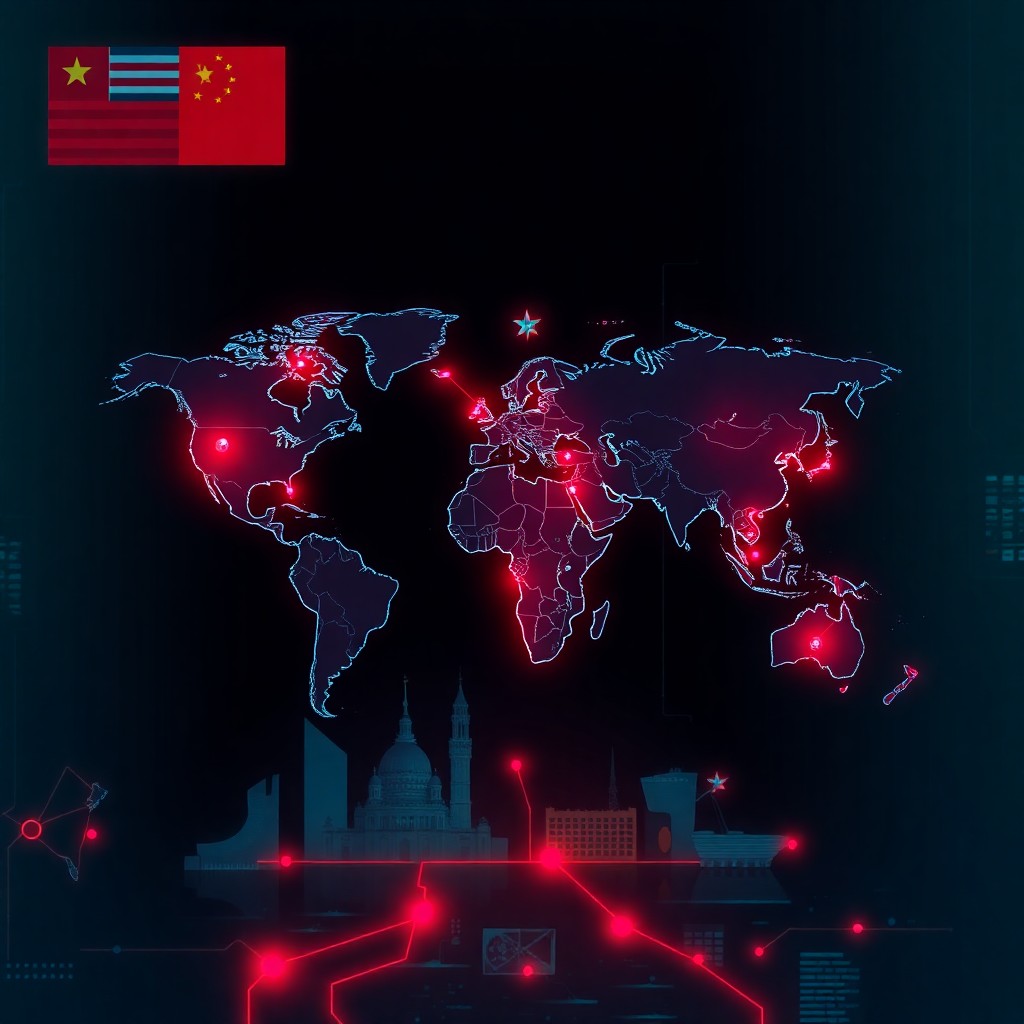










A new malware campaign targeting Brazilian banking customers has emerged, demonstrating the evolving sophistication of financially motivated cybercriminals. The Banana RAT malware has successfully infiltrated systems of customers across 16 major Brazilian financial institutions through carefully crafted fake invoice schemes. This attack highlights the persistent threat facing the Latin American financial sector and serves as a reminder that social engineering remains one of the most effective vectors for malware distribution.
What Happened
Cybersecurity researchers have identified an ongoing campaign distributing Banana RAT, a remote access trojan specifically designed to compromise banking credentials and financial information. The malware has targeted customers of 16 different Brazilian banks through phishing emails disguised as legitimate invoices. These fraudulent messages appear to come from trusted sources such as utility companies, telecommunications providers, or business partners, making them particularly convincing to unsuspecting recipients.
The attackers have demonstrated considerable knowledge of the Brazilian business environment, crafting invoices that mirror authentic billing documents in both format and content. Once victims download and open the malicious attachments, the Banana RAT payload is silently installed on their systems. The campaign has shown remarkable persistence, with multiple waves of attacks detected over recent weeks. The malware specifically targets Portuguese-speaking users, suggesting a focused effort on the Brazilian market where digital banking adoption continues to grow rapidly.
How It Works
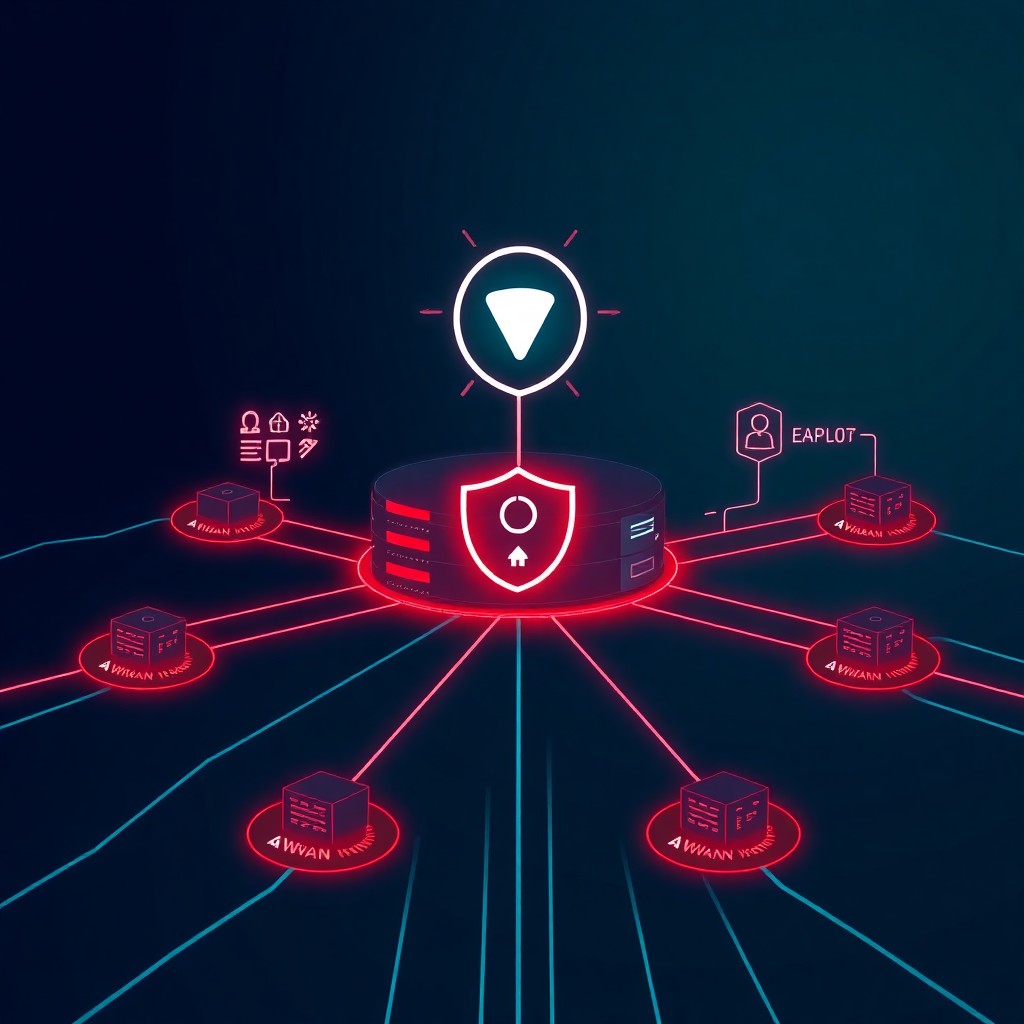
Banana RAT operates through a multi-stage infection process that begins with the deceptive invoice emails. These messages contain malicious attachments, typically compressed files or documents with embedded macros. When users open these files, they trigger a download sequence that retrieves the actual malware payload from compromised or attacker-controlled servers.
Once installed, Banana RAT establishes persistence on the infected system and begins communicating with command and control servers. The malware possesses comprehensive remote access capabilities, allowing attackers to monitor user activity, capture keystrokes, take screenshots, and intercept banking credentials in real time. Banana RAT specifically watches for banking sessions, waiting until victims access their online banking portals before activating its most invasive functions.
The trojan can manipulate banking sessions, alter transaction details, and even perform unauthorized transfers while displaying false information to victims. It employs screen overlay techniques to present fake banking interfaces that capture authentication codes and credentials. The malware also has capabilities to disable security software and evade detection by traditional antivirus solutions through code obfuscation and polymorphic techniques.
What You Should Do
Organizations and individuals must adopt a multi-layered defense approach against such threats. First, implement rigorous email filtering and ensure all staff receive regular training on identifying phishing attempts. Be particularly cautious with unexpected invoice emails, even if they appear legitimate. Always verify sender addresses carefully and contact supposed senders through known official channels before opening attachments.
Enable multi-factor authentication on all banking and financial accounts, making it significantly harder for attackers to succeed even if credentials are compromised. Keep all systems and security software updated with the latest patches. Consider implementing application whitelisting to prevent unauthorized executables from running.
For businesses, deploy endpoint detection and response solutions capable of identifying suspicious behaviors rather than relying solely on signature-based detection. Conduct regular security awareness training specifically focused on current threat landscapes. Monitor network traffic for unusual outbound connections that might indicate command and control communications.
Conclusion
The Banana RAT campaign against Brazilian banks demonstrates that cybercriminals continue refining their social engineering tactics to bypass technical defenses. As digital banking grows across emerging markets, such targeted attacks will likely increase. Vigilance, user education, and robust security practices remain essential defenses against these evolving threats.
Stay protected with CyDhaal. Follow us at cydhaal.com for daily updates.