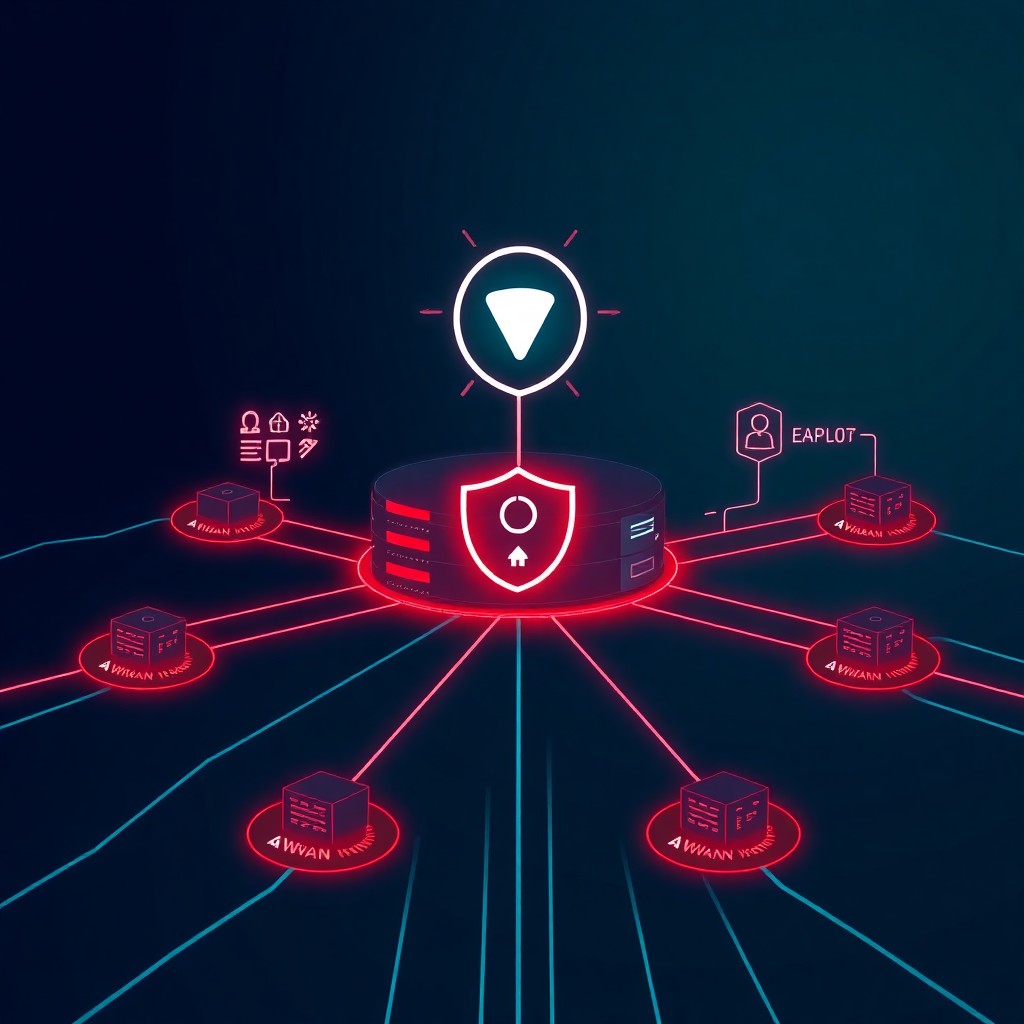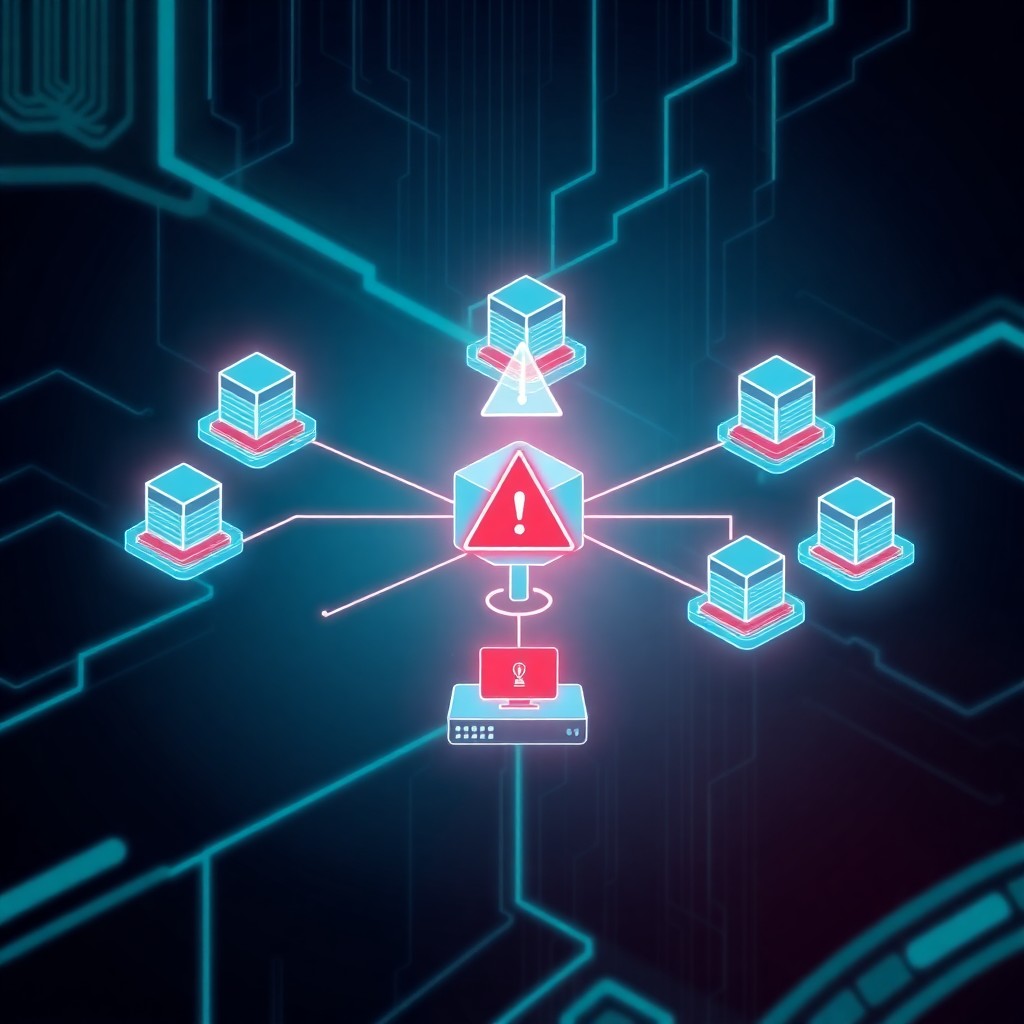










The notorious Russian-language cybercrime forum XSS.is has been shut down, removing a major marketplace where ransomware operators, initial access brokers, and malware developers converged. Despite this significant disruption, the ransomware ecosystem shows remarkable resilience as actors migrate to alternative platforms. The forum’s closure demonstrates law enforcement progress but highlights the decentralized, adaptive nature of modern cybercrime infrastructure that ensures business continuity for threat actors.
Introduction
XSS.is, one of the most prominent Russian-language cybercrime forums, has gone offline, marking a significant moment in the ongoing battle against organized cybercrime. For years, this platform served as a critical hub where ransomware affiliates purchased initial access credentials, negotiated with data brokers, and acquired sophisticated tools to execute attacks against organizations worldwide. While the takedown represents a tactical victory, the immediate migration of threat actors to competing forums underscores a fundamental challenge: the ransomware supply chain has evolved beyond dependence on any single platform.
The forum’s disappearance creates temporary friction in cybercriminal operations, but the underlying market dynamics—buyer demand, seller supply, and established trust networks—remain intact. Understanding what XSS.is represented and how the ecosystem adapts provides crucial insight into the resilience of modern ransomware operations.
Background & Context
XSS.is emerged as a successor to earlier forums that faced similar disruptions, establishing itself as a trusted marketplace within the Russian-speaking cybercrime community. The platform operated with relative impunity for several years, facilitating transactions worth millions of dollars in cryptocurrency. Its importance extended beyond simple commerce; XSS.is functioned as a social network where threat actors built reputations, vetted potential partners, and shared tradecraft.
The forum implemented an escrow system and vendor verification process that reduced fraud within criminal transactions, creating an environment where ransomware-as-a-service (RaaS) operators could reliably recruit affiliates and where initial access brokers could sell network credentials with established pricing structures. Typical listings included corporate VPN credentials, remote desktop protocol (RDP) access, stolen databases, and custom malware tools.
XSS.is attracted a diverse criminal ecosystem including initial access brokers (IABs) who specialized in compromising corporate networks, data brokers selling stolen information, malware developers offering custom tools, money laundering services, and ransomware affiliates seeking targets. This specialization allowed threat actors to focus on specific aspects of the attack chain while outsourcing other components through trusted marketplace transactions.
Technical Breakdown
The ransomware supply chain that thrived on XSS.is operates through a sophisticated division of labor that resembles legitimate business models. Understanding this structure explains why the forum’s closure disrupts but doesn’t destroy operations.
Initial Access Broker Operations: IABs compromise corporate networks through various methods—phishing campaigns, exploiting unpatched vulnerabilities, brute-forcing weak credentials, or purchasing access from other criminals. Once inside a network, they document the victim organization’s size, revenue, and security posture before listing access for sale. Typical listings included:
Organization: Manufacturing company (US)
Revenue: $50-100M annually
Access Type: VPN credentials (admin level)
Network Details: 200+ workstations, minimal EDR
Price: $5,000 (negotiable)
Ransomware Affiliate Model: Major ransomware operations like LockBit, ALPHV/BlackCat, and Royal adopted affiliate programs where core developers maintain the malware and leak sites while affiliates conduct attacks using provided tools. Forums like XSS.is served as recruitment grounds where these programs vetted potential affiliates based on reputation and demonstrated technical capability.
Transaction Security: The forum implemented escrow mechanisms where payments were held until both parties confirmed successful delivery. This reduced the inherent trust problems in criminal transactions and encouraged repeat business. Reputation systems with vendor ratings further established trustworthiness within an inherently dishonest ecosystem.
Communication Infrastructure: Beyond the public forum, XSS.is facilitated private messaging and sometimes integrated with encrypted communication platforms like Telegram or Jabber/XMPP for sensitive negotiations. These secondary channels mean that established relationships survive forum disruptions.
Impact & Risk Assessment
The immediate impact of XSS.is going offline creates operational friction but not operational collapse for the ransomware ecosystem. Threat actors face several temporary challenges including disrupted communication channels requiring reestablishment of contact on alternative platforms, paused transactions mid-negotiation, temporary reputation loss as vendors rebuild credibility on new forums, and increased caution as actors suspect law enforcement involvement.
However, the fundamental market forces driving ransomware operations remain unchanged. Organizations with vulnerable networks still present attractive targets, stolen credentials retain their value regardless of marketplace, ransomware developers continue improving their tools, and cryptocurrency enables anonymous transactions across platforms.
For Potential Victims: The risk environment remains essentially unchanged. Initial access already purchased from XSS.is will be exploited through established channels. Ransomware affiliates with active operations continue their campaigns using previously acquired resources. The migration period might temporarily reduce attack volume as criminals adjust, but historical precedent shows rapid recovery.
For Law Enforcement: If this represents a law enforcement action rather than internal collapse, authorities may have gained valuable intelligence including user databases with registration details, transaction records linking buyers and sellers, communication logs revealing operational details, and potential identification of high-value targets for prosecution.
Market Adaptation: The cybercrime ecosystem demonstrates remarkable resilience through platform diversification. Actors maintain presence across multiple forums to hedge against single points of failure. Alternative platforms like Exploit, RAMP, and Breach Forums absorb displaced users. Established criminal relationships continue through encrypted messaging regardless of forum status, and new platforms emerge to fill market demand.
Vendor Response
Unlike traditional cybersecurity incidents, forum takedowns don’t involve vendor patches or updates. However, several parties play roles in the broader response:
Forum Competitors: Alternative cybercrime forums have experienced increased registration activity as displaced XSS.is users seek new platforms. Some forums tightened vetting procedures, concerned about law enforcement infiltration during the migration. Others relaxed requirements to capture market share during the disruption.
Ransomware Operations: Major RaaS programs maintain recruitment channels beyond single forums, using Telegram channels, invite-only platforms, and direct outreach to known affiliates. Their operations continue largely uninterrupted, though they may face temporary recruitment challenges for new affiliates.
Cybersecurity Community: Researchers monitoring XSS.is for threat intelligence now redirect efforts toward alternative platforms. Organizations like Digital Shadows, Intel471, and Flashpoint adjust monitoring to track actor migration patterns and maintain visibility into emerging threats.
Mitigations & Workarounds
Organizations cannot directly prevent cybercriminals from using alternative forums, but can reduce vulnerability to attacks originating from these marketplaces:
Access Control Hardening:
# Enforce strong password policies
# Implement MFA across all remote access points
# Regular credential rotation for privileged accounts
# Disable unused VPN and RDP endpoints
Network Segmentation: Limit lateral movement opportunities for attackers who gain initial access by implementing zero-trust architecture principles, segregating critical systems from general network access, and requiring authentication for inter-segment communication.
Initial Access Prevention: Address the vectors IABs exploit most frequently through regular vulnerability scanning and patching, email security controls blocking phishing attempts, RDP security including disabling internet-facing exposure, and VPN security with strong authentication requirements.
Credential Monitoring: Implement detection for compromised credentials through services monitoring dark web marketplaces for company credentials, password breach databases like Have I Been Pwned for corporate domains, and anomalous authentication patterns suggesting credential misuse.
Detection & Monitoring
Organizations should implement monitoring specifically designed to detect initial access broker activity and early-stage ransomware operations:
Authentication Anomalies:
Detection Rules:
  - VPN login from unusual geographic location
  - Authentication outside normal business hours
  - Credential use from multiple simultaneous locations
  - Failed authentication attempts followed by success
  - Service account interactive logons
Network Reconnaissance: Initial access brokers and ransomware affiliates typically conduct network mapping before executing attacks. Monitor for unusual network scanning activity, Active Directory enumeration commands, PowerShell execution with suspicious parameters, and unusual file access patterns suggesting data staging.
Behavioral Analytics: Establish baselines for normal user and system behavior to identify deviations consistent with credential misuse or early attack stages. SIEM correlation rules should flag combinations of suspicious activities even when individual events might appear benign.
Best Practices
Defense in Depth: No single control prevents determined attackers, but layered security raises costs and increases detection likelihood. Implement endpoint detection and response (EDR) across all systems, network traffic analysis for lateral movement detection, regular backup testing and offline storage, and incident response plan rehearsal.
Threat Intelligence Integration: Monitor cybercrime forum activity through trusted threat intelligence providers. Understanding what credentials or access are being sold helps prioritize security efforts. Indicators of compromise (IOCs) from forum listings can be proactively blocked.
Credential Hygiene: Since initial access commonly stems from compromised credentials, enforce password complexity requirements exceeding minimum standards, multi-factor authentication without SMS-based methods, privileged access management with just-in-time elevation, and regular access reviews removing unnecessary permissions.
Vulnerability Management: Prioritize patching based on active exploitation evidence. Access brokers target known vulnerabilities with available exploits, making timely patching critical for reducing attack surface.
Key Takeaways
- XSS.is shutdown disrupts but doesn’t destroy the ransomware supply chain due to ecosystem resilience and platform diversification
- Initial access brokers, ransomware affiliates, and other threat actors rapidly migrate to alternative forums maintaining business continuity
- The underlying market dynamics—vulnerable organizations, valuable credentials, and profitable ransomware operations—remain unchanged
- Organizations should focus on preventing initial access through credential security, vulnerability management, and access controls
- Detection capabilities for early-stage compromise indicators help identify purchased access before ransomware deployment
- The decentralized nature of modern cybercrime infrastructure ensures no single takedown eliminates systemic threats
- Continuous monitoring of alternative platforms and threat actor migration patterns maintains threat intelligence value
References
- Intel471 – “Understanding Initial Access Broker Operations”
- Flashpoint – “Ransomware Supply Chain Analysis”
- CISA – “Preventing Initial Access: Best Practices”
- MITRE ATT&CK – “Initial Access Techniques (TA0001)”
- Krebs on Security – “Cybercrime Forum Takedowns and Market Dynamics”
Stay updated at https://cydhaal.com — Your Daily Dose of Cyber Intelligence.
📧 Subscribe to our newsletter at https://cydhaal.com/newsletter/