The notorious cybercriminal group ShinyHunters has struck again, this time targeting the global convenience store giant 7-Eleven. The breach has exposed approximately 600,000 records containing sensitive franchisee data and Salesforce information, marking yet another significant data compromise in the retail sector. This incident underscores the persistent threat that organized hacking groups pose to major corporations and their business partners, regardless of industry size or reputation.
What Happened
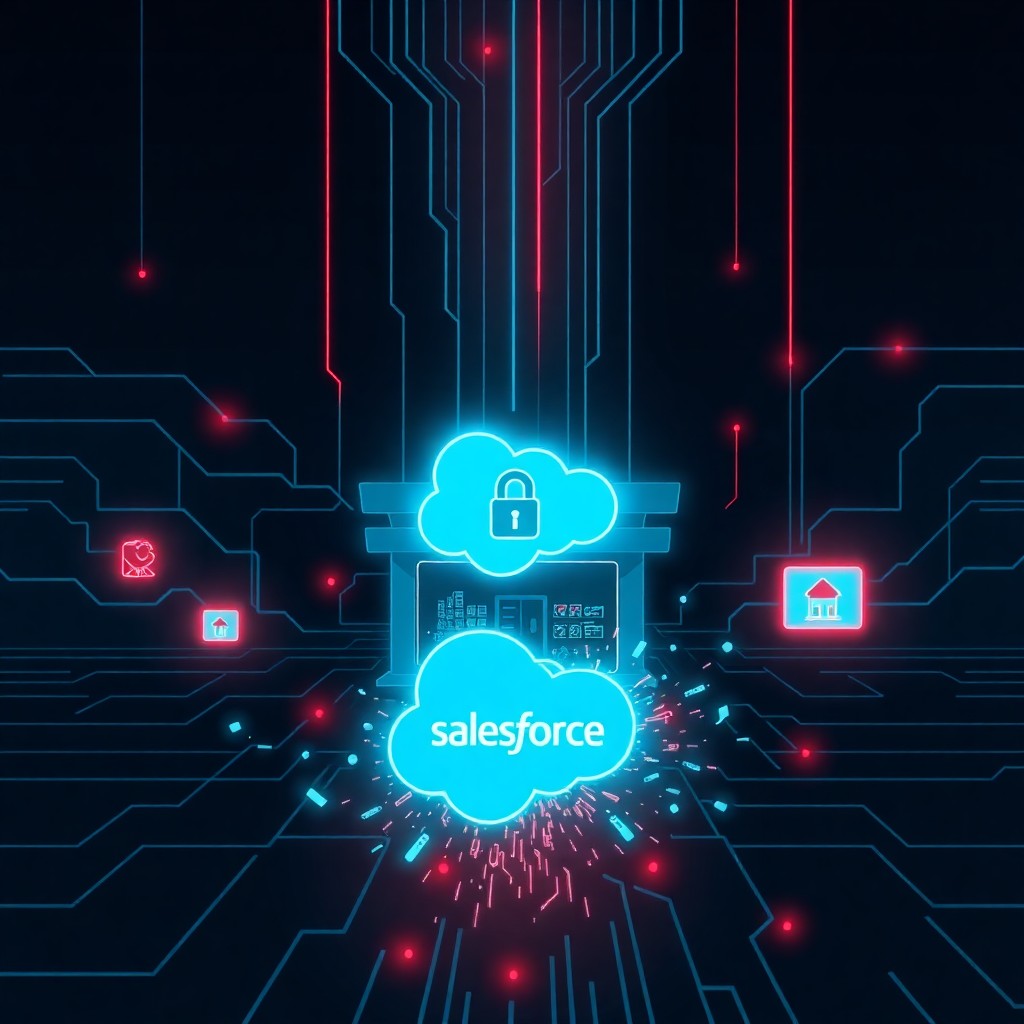
ShinyHunters, a well-known hacking collective with a history of high-profile data breaches, successfully infiltrated systems connected to 7-Eleven operations and extracted a substantial cache of internal records. The compromised data primarily consists of franchisee information and records stored within Salesforce, a widely-used customer relationship management platform. The breach affects not just corporate data but also information belonging to individual franchise owners who operate 7-Eleven stores across various locations.
The exposed records reportedly include names, contact information, business details, and potentially financial data related to franchise operations. While the full scope of the breach continues to be assessed, the sheer volume of 600,000 records represents a significant exposure that could impact franchise owners, their employees, and potentially customer data linked to these business operations. ShinyHunters has claimed responsibility for the attack and has allegedly made portions of the stolen data available on underground forums, following their typical pattern of operation.
How It Works
ShinyHunters typically employs sophisticated techniques to penetrate corporate networks and extract valuable data. While the specific method used in the 7-Eleven breach has not been fully disclosed, these types of attacks often begin with exploiting vulnerabilities in web applications, conducting credential stuffing attacks, or leveraging compromised third-party access points. The involvement of Salesforce data suggests the attackers may have targeted cloud-based systems or API connections that linked various business platforms together.
Once initial access is gained, threat actors like ShinyHunters conduct reconnaissance within the network to identify valuable data repositories. They move laterally through systems, escalating privileges where possible, and eventually exfiltrate large datasets without triggering immediate detection. The use of sophisticated tools and techniques allows these groups to maintain persistence and extract data over extended periods. The targeting of Salesforce records is particularly concerning as these platforms often contain consolidated business intelligence, customer interactions, and operational data that provides a comprehensive view of business operations.
What You Should Do
For franchise owners and individuals whose information may have been compromised, immediate action is essential. First, monitor all financial accounts and business banking for any unauthorized transactions or suspicious activity. Enable multi-factor authentication on all business and personal accounts, particularly those connected to operational systems and financial platforms. Change passwords immediately for any accounts that may have been associated with 7-Eleven franchise systems or Salesforce platforms.
Organizations should conduct comprehensive security audits of their cloud-based platforms and third-party integrations. Review access logs for unusual activity and implement enhanced monitoring for data exfiltration attempts. Consider engaging cybersecurity professionals to assess potential exposure and implement additional security controls. For affected individuals, remain vigilant against phishing attempts that may leverage the stolen information to appear legitimate.
The ShinyHunters breach of 7-Eleven serves as a stark reminder that even major retail operations remain vulnerable to determined cybercriminal groups. The compromise of franchisee data and Salesforce records demonstrates how attackers target the interconnected ecosystems that modern businesses rely upon. Proactive security measures, continuous monitoring, and rapid incident response capabilities are essential defenses in today’s threat landscape.
Stay protected with CyDhaal. Follow us at cydhaal.com for daily updates.