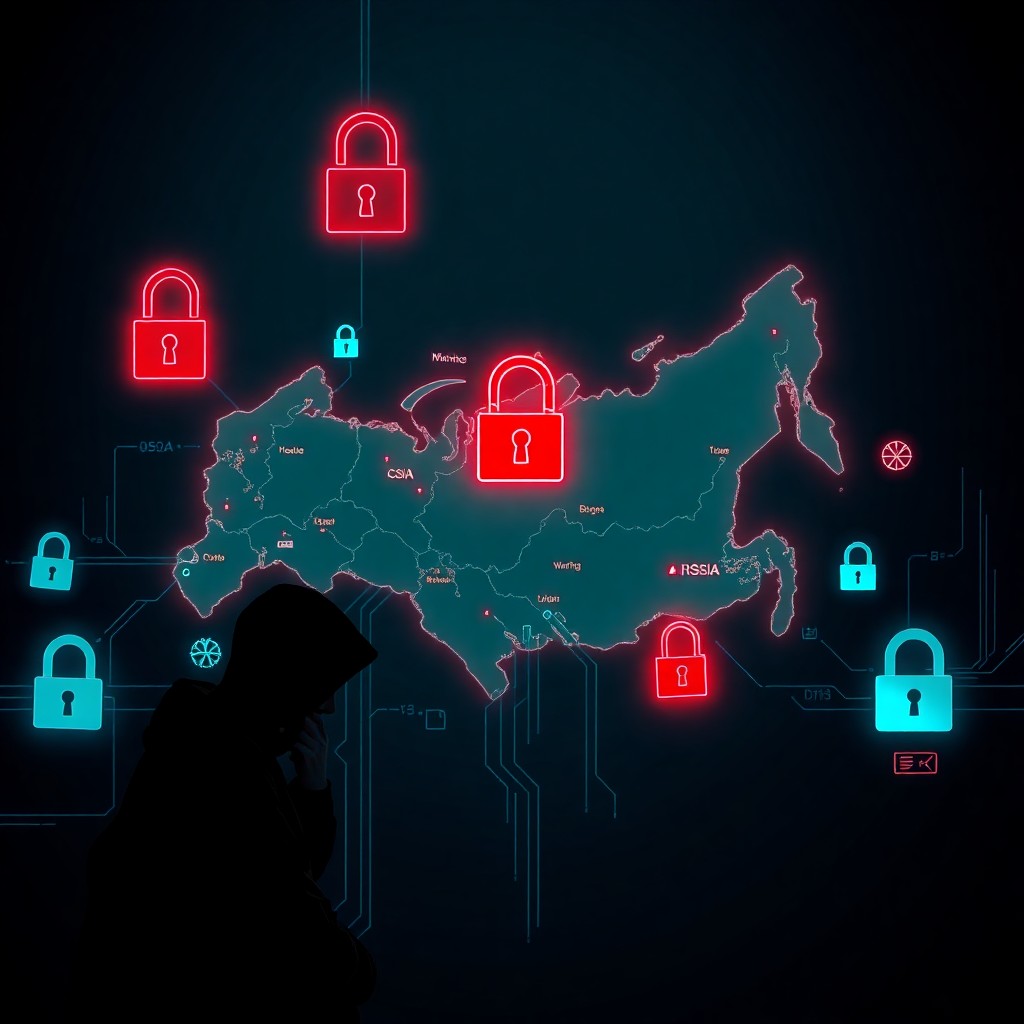
A ransomware operator has violated one of cybercrime’s most fundamental unwritten rules by deploying attacks against Russian targets. This breach of the “golden rule” — never target Russia or former Soviet states — has sparked intense discussion in underground forums and raised questions about the attacker’s motivations and survival prospects. The incident highlights the geopolitical dynamics underlying modern cybercrime operations and the informal agreements that govern the ransomware ecosystem.
Introduction
The cybercriminal underground operates on a set of unwritten but rigidly enforced rules, and the most sacred among ransomware operators has always been simple: don’t attack Russia or its allies. This informal pact has allowed Russian-speaking threat actors to operate with relative impunity from their home countries while wreaking havoc globally. However, a recent incident has shattered this convention when a ransomware operator—quickly dubbed a “dumbass” by fellow criminals—launched attacks against Russian targets.
This violation represents more than just a tactical error. It demonstrates a fundamental misunderstanding of the protection mechanisms that have allowed ransomware groups to flourish while avoiding prosecution in Russia. The incident has sent shockwaves through cybercriminal communities and prompted speculation about whether this represents careless newcomer behavior, a non-Russian operator, or something more calculated.
Background & Context
The “Russian rule” in ransomware operations emerged from a practical arrangement between cybercriminals and Russian law enforcement. Ransomware groups operating from Russia, Ukraine, and other former Soviet states have historically enjoyed tacit protection from local authorities as long as they exclusively targeted foreign entities—particularly organizations in Western nations.
This gentleman’s agreement served multiple purposes. For criminals, it provided a safe harbor where they could operate sophisticated infrastructure, recruit talent, and launder proceeds without fear of arrest. For Russian authorities, it created plausible deniability while potentially serving intelligence-gathering purposes and generating economic pressure on geopolitical adversaries.
Major ransomware families including REvil, Conti, and DarkSide all implemented technical controls to prevent encryption of systems in Russia and Commonwealth of Independent States (CIS) countries. These groups typically checked system language settings, keyboard layouts, and geographic indicators before deploying payloads. Violating this protocol could result in swift retribution from Russian authorities, who have demonstrated their capability to dismantle cybercriminal operations when politically motivated.
The ransomware ecosystem has witnessed periodic enforcement of this rule. When the Colonial Pipeline attack drew excessive international attention in 2021, Russian authorities suddenly became cooperative in disrupting REvil infrastructure—demonstrating that protection was conditional on maintaining political convenience.
Technical Breakdown
Ransomware typically implements geographic restrictions through several technical mechanisms. Most families incorporate checks during their initial execution phase:
# Pseudocode for typical CIS country check
restricted_languages = ['ru-RU', 'uk-UA', 'be-BY', 'kk-KZ']
system_language = get_system_language()

if system_language in restricted_languages:
    exit_without_encryption()
These checks examine multiple system indicators:
Keyboard Layout Detection: Ransomware queries installed keyboard layouts, searching for Cyrillic configurations commonly used in Russia, Ukraine, Belarus, and other CIS states.
# Checking for Russian keyboard layout
Get-WinUserLanguageList | Where-Object {$_.LanguageTag -match 'ru-'}
Geolocation Through IP: Some variants perform IP-based geolocation checks before deploying the encryption payload, though this method is less reliable due to VPN usage and proxy configurations.
System Locale Verification: The malware examines Windows registry keys that store regional and language preferences:
reg query "HKEY_CURRENT_USER\Control Panel\International" /v sCountryThe operator who violated this rule either removed these protection mechanisms deliberately, deployed ransomware lacking these checks entirely, or used a non-Russian malware variant. Each scenario carries different implications about the attacker’s identity and intentions.
Impact & Risk Assessment
The immediate impact on the targeted Russian organizations varies by sector and security posture, but the broader implications extend far beyond the initial victims.
For the Operator: This individual faces extreme personal risk. Russian law enforcement agencies, including the FSB, have sophisticated cyber capabilities and extensive penetration of underground forums. Previous violators have faced arrest, asset seizure, and prosecution. The criminal’s fellow operators are unlikely to provide assistance and may actively facilitate their identification to restore community standing with authorities.
For the Ransomware Ecosystem: This incident could trigger increased scrutiny of all ransomware operations originating from or connected to Russian territory. If authorities perceive the protective arrangement has broken down, they may preemptively act against groups they previously tolerated.
Geopolitical Ramifications: The attack occurs against the backdrop of heightened tensions between Russia and Western nations. Any disruption to the informal cybercrime détente could affect international negotiations around cybercrime cooperation and extradition.
For Other Threat Actors: The cybercriminal community watches closely to see how Russian authorities respond. A strong reaction reinforces the existing rules; weak enforcement might embolden other operators to test boundaries.
Vendor Response
Cybersecurity vendors tracking this incident have provided analysis while carefully navigating the sensitive geopolitical dimensions.
Security researchers have been monitoring underground forum discussions where the operator’s actions were quickly condemned by established ransomware affiliates. Several threat intelligence firms have noted unusual patterns in the attack infrastructure that may indicate a non-Russian origin or a deliberately provocative operation.
Major ransomware tracking organizations have added this incident to their databases but acknowledge limited technical details due to the politically sensitive nature of attacks within Russian borders. Russian cybersecurity companies have remained largely silent on the incident, likely awaiting official guidance on appropriate messaging.
Western law enforcement agencies view this development with interest, as it potentially creates fissures in the ransomware ecosystem that could be exploited for intelligence gathering or disruption operations.
Mitigations & Workarounds
Organizations in all countries—including those previously considered “safe” from ransomware due to geography—should implement comprehensive defensive measures:
Implement Robust Backup Systems: Maintain offline, immutable backups following the 3-2-1 rule (three copies, two different media types, one offsite).
# Example backup verification script
#!/bin/bash
BACKUP_PATH="/mnt/offline_backup"
if [ ! -d "$BACKUP_PATH" ]; then
    alert_admin "Backup path not accessible"
fi
verify_backup_integrity "$BACKUP_PATH"
Network Segmentation: Isolate critical assets from general network access to limit lateral movement during attacks.
Endpoint Protection: Deploy advanced endpoint detection and response (EDR) solutions capable of identifying ransomware behavior patterns.
Privilege Management: Implement least-privilege access controls and monitor privileged account usage.
Email Security: Enhance filtering for phishing attempts, the primary delivery mechanism for ransomware.
Detection & Monitoring
Organizations should establish detection capabilities for ransomware activity:
File System Monitoring: Watch for rapid file modifications or unusual encryption activities:
# Monitor for suspicious file extensions
$watchPath = "C:\CriticalData"
$extensions = @(".encrypted", ".locked", "*.crypt")
Get-ChildItem -Path $watchPath -Recurse -Include $extensions
Network Traffic Analysis: Identify command-and-control communications or data exfiltration patterns preceding encryption events.
Process Monitoring: Alert on suspicious process behavior, including rapid file access patterns, privilege escalation attempts, or deletion of shadow copies:
# Detect shadow copy deletion attempts
wmic shadowcopy list brief
Behavioral Analytics: Implement UEBA solutions to identify anomalous user activities that may indicate compromised credentials.
Best Practices
Organizations should adopt comprehensive ransomware resilience strategies:
Regular Security Assessments: Conduct penetration testing and red team exercises specifically focused on ransomware attack paths.
Incident Response Planning: Develop and regularly test ransomware-specific incident response playbooks.
Security Awareness Training: Educate employees on phishing recognition and safe computing practices.
Patch Management: Maintain current patch levels for all systems, prioritizing vulnerabilities commonly exploited by ransomware operators.
Access Control Reviews: Regularly audit permissions and remove unnecessary access rights.
Offline Recovery Capabilities: Ensure ability to restore operations without internet connectivity in case of network-wide compromise.
Key Takeaways
- A ransomware operator violated cybercrime’s fundamental rule by targeting Russian organizations, risking severe consequences from law enforcement
- The incident highlights the geopolitical arrangements that have allowed ransomware groups to operate from Russian territory while targeting Western nations
- Technical geographic restrictions are commonly implemented in ransomware to prevent CIS country infections
- This violation could destabilize the informal détente between Russian authorities and cybercriminal operators
- All organizations, regardless of geographic location, require comprehensive ransomware defenses
- The cybercriminal community’s reaction demonstrates the enforcement mechanisms underlying underground ecosystem rules
- Monitoring underground forums and threat actor discussions provides valuable intelligence on shifting threat landscapes
References
- Underground forum discussions on ransomware operating procedures
- Historical analysis of ransomware geographic targeting patterns
- Technical documentation of CIS country detection mechanisms in ransomware families
- Law enforcement reports on Russian cybercrime ecosystem dynamics
- Threat intelligence analyses of ransomware group operational security practices
Stay updated at https://cydhaal.com — Your Daily Dose of Cyber Intelligence.
📧 Subscribe to our newsletter at https://cydhaal.com/newsletter/