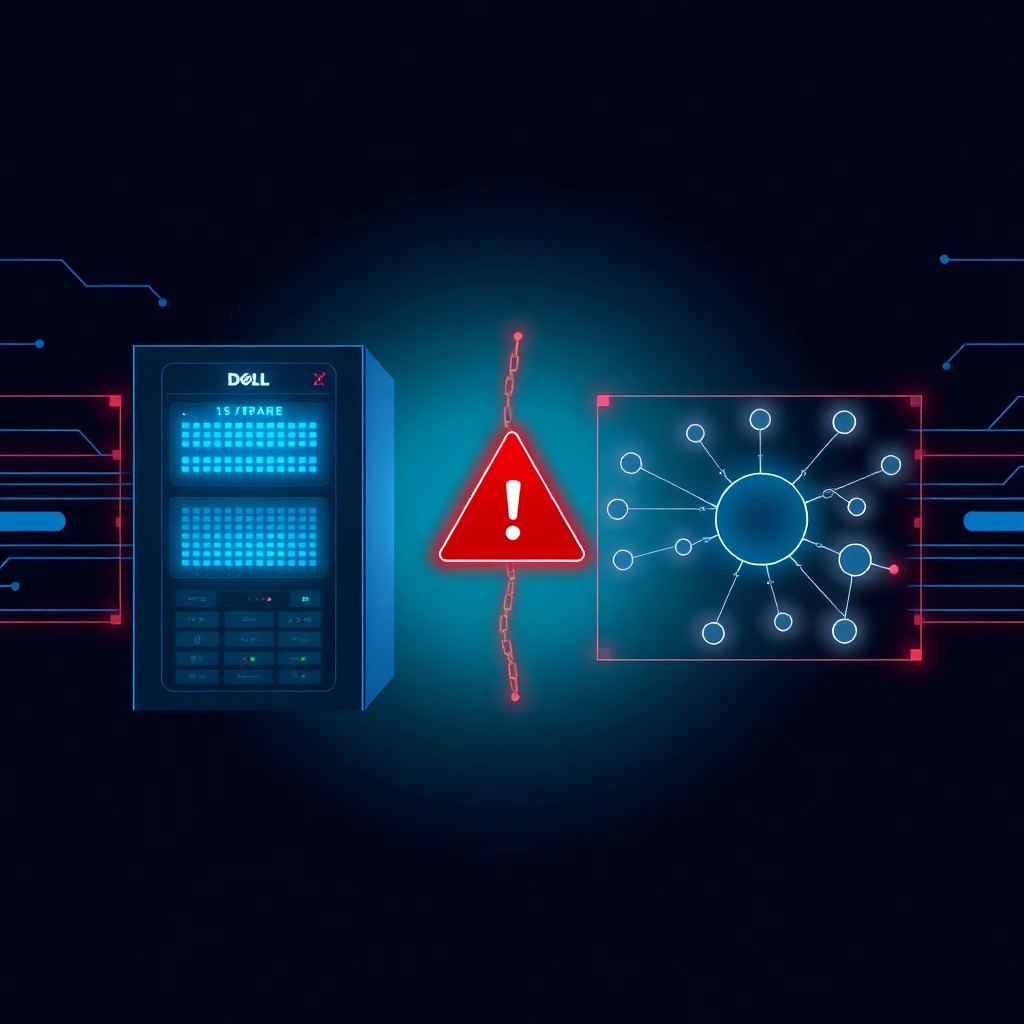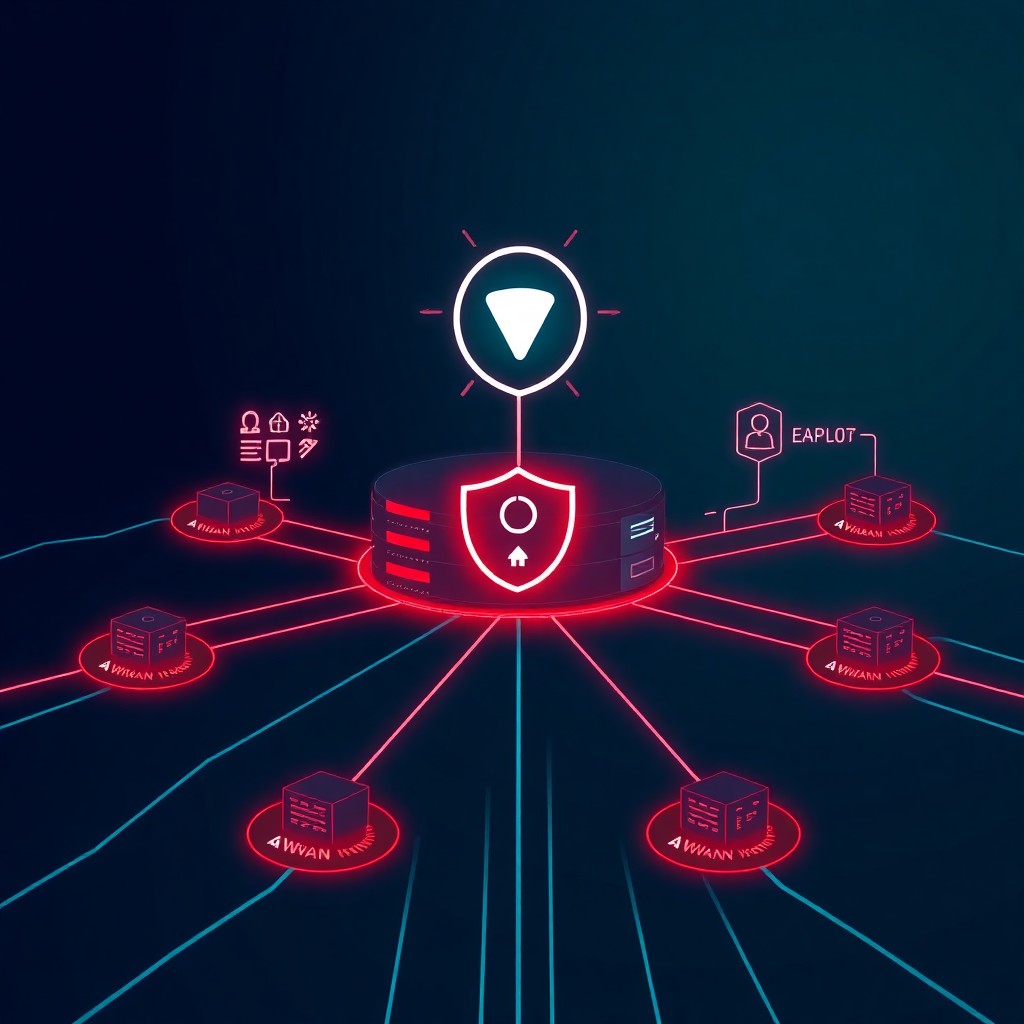








Microsoft’s Digital Crimes Unit (DCU) successfully dismantled over 200 command-and-control (C2) servers associated with both Amadey bot malware and StealC information stealer in a coordinated legal takedown. This marks the first time a court-authorized operation has simultaneously targeted two distinct malware-as-a-service (MaaS) platforms, disrupting a criminal ecosystem that infected hundreds of thousands of systems worldwide and facilitated credential theft, banking fraud, and ransomware deployment.
Introduction
Microsoft has achieved a significant victory against cybercriminal infrastructure by obtaining a court order to seize and sinkhole more than 200 command-and-control servers supporting two prevalent malware families: Amadey and StealC. This groundbreaking operation represents a strategic evolution in legal disruption tactics, as it simultaneously neutralizes two interlinked threats that have plagued organizations and individuals across the globe. The coordinated takedown demonstrates how sophisticated cybercrime-as-a-service ecosystems operate synergistically, with initial access brokers and data theft operations forming a dangerous supply chain that fuels larger attacks including ransomware campaigns.
Background & Context
Amadey first emerged in the cybercrime underground around 2018 as a relatively simple bot malware advertised on Russian-language forums for approximately $500. Despite its modest origins, Amadey evolved into a widely-adopted malware-as-a-service platform favored by criminals seeking initial access to compromised systems. The malware serves primarily as a loader and reconnaissance tool, establishing persistent access while profiling infected machines for future exploitation.
StealC, also known as StealerC or Vidar Stealer variant, appeared in early 2023 as an information-stealing malware designed specifically to harvest credentials, browser data, cryptocurrency wallets, and other sensitive information. Marketed on underground forums for as little as $100 monthly, StealC quickly gained popularity due to its effectiveness and low barrier to entry.
The relationship between these two threats is particularly concerning. Amadey infections frequently serve as the initial compromise vector, with StealC subsequently deployed as a second-stage payload to exfiltrate valuable data. This harvested information often ends up sold on dark web marketplaces, where it’s purchased by ransomware operators, business email compromise (BEC) actors, and other cybercriminals to facilitate more sophisticated attacks.
Technical Breakdown
Amadey operates as a modular bot with several core capabilities:
Infection Chain:
- Initial compromise typically occurs through malicious email attachments, exploit kits, or software cracks
- The malware establishes persistence via registry modifications or scheduled tasks
- Communication with C2 servers occurs over HTTP/HTTPS using custom protocols
- Infected systems are fingerprinted with system information, installed software, and security products
Command Capabilities:
- Download and execute additional payloads
- Execute shell commands
- Update malware components
- Exfiltrate system reconnaissance data
- Self-terminate or remove traces
StealC functions as a specialized information stealer with targeted data collection:
Targeted Data:
- Browser credentials and cookies from Chromium and Firefox-based browsers
- Cryptocurrency wallet files and extensions
- Email client credentials
- FTP client stored sessions
- Telegram session files
- System information and screenshots
Exfiltration Process:
1. Scan system for target data locations
- Extract and compress stolen data
- Encrypt collection using XOR or RC4
- Transmit to C2 server via HTTP POST
- Delete local traces and terminate
The technical synergy between these threats lies in their complementary functions. Amadey provides broad access and persistence, while StealC performs specialized data harvesting. Attackers using both tools create a versatile platform for monetizing compromised systems through multiple channels.
Impact & Risk Assessment
The disruption of over 200 C2 servers represents a substantial blow to this criminal infrastructure, but the impact extends beyond simple server counts.
Estimated Impact Scope:
- Hundreds of thousands of infected systems worldwide
- Presence across all industry sectors, with significant concentrations in finance, healthcare, and retail
- Geographic distribution spanning North America, Europe, and Asia-Pacific regions
- Facilitation of downstream attacks including ransomware, BEC fraud, and financial theft
Risk Factors for Organizations:
Critical: Organizations in financial services face severe risk as stolen credentials enable direct monetary theft and fraudulent transactions.
High: Healthcare and critical infrastructure entities risk regulatory penalties, operational disruption, and potential safety implications from compromised systems.
Moderate to High: Small and medium businesses often lack security resources to detect these infections, making them disproportionately vulnerable to prolonged compromise.
The stolen data marketplace creates cascading risks. Credentials harvested by StealC don’t merely threaten the initially infected user—they enable lateral movement, privilege escalation, and access to cloud services and VPNs, multiplying the potential damage exponentially.
Vendor Response
Microsoft’s Digital Crimes Unit executed this operation through a civil case filed in the U.S. District Court for the Eastern District of Virginia. The court granted Microsoft control over the malicious domains and infrastructure, allowing them to redirect traffic to Microsoft-controlled sinkholes.
According to Microsoft’s official statement, the DCU collaborated with several partners:
- Internet Service Providers (ISPs) to identify and seize infrastructure
- Domain registrars to transfer control of malicious domains
- International law enforcement through established relationships
- Cybersecurity community members who provided technical intelligence
Microsoft emphasized this action represents “proactive defense” rather than reactive response, targeting the economic model that makes these MaaS platforms viable. By removing infrastructure, Microsoft aims to increase operational costs and complexity for threat actors, making these services less reliable and profitable.
The company stated that sinkholed domains will provide intelligence on infection patterns while preventing new victims from falling under attacker control. Microsoft plans to notify affected organizations and individuals through established abuse reporting channels and partnerships with Computer Emergency Response Teams (CERTs) worldwide.
Mitigations & Workarounds
Organizations should implement multiple defensive layers to protect against Amadey and StealC infections:
Immediate Actions:
- Block Known Indicators: Deploy threat intelligence feeds containing IoCs from this takedown to firewalls and security tools
- Credential Reset: Force password resets for privileged accounts and implement multi-factor authentication (MFA) across all systems
- Network Segmentation: Isolate critical systems to limit lateral movement from potentially compromised endpoints
Technical Controls:
# Block known Amadey C2 communication patterns at firewall
# Sample regex for suspicious HTTP patterns
/\/[a-z0-9]{8}\/gate\.php/

# Monitor for StealC exfiltration behavior
# Look for POST requests with base64-encoded data to unknown domains
Endpoint Hardening:
- Disable autorun functionality for removable media
- Implement application whitelisting where feasible
- Enable tamper protection on endpoint security solutions
- Configure PowerShell logging and constrained language mode
Email Security:
- Implement DMARC, SPF, and DKIM authentication
- Enable advanced attachment scanning and sandboxing
- Block executable attachments (.exe, .scr, .bat, .cmd, .vbs)
- Train users on recognizing phishing indicators
Detection & Monitoring
Security teams should implement detection mechanisms specifically targeting these threats:
Network-Level Detection:
# Snort/Suricata rule example for Amadey C2 traffic
alert http any any -> any any (
  msg:"Possible Amadey Bot C2 Communication";
  flow:established,to_server;
  content:"POST"; http_method;
  content:"/gate.php"; http_uri;
  pcre:"/cid=[a-f0-9]{32}/";
  sid:1000001;
)
Endpoint Detection Queries:
-- Hunt for Amadey persistence mechanisms
SELECT * FROM registry
WHERE path LIKE '%\\Software\\Microsoft\\Windows\\CurrentVersion\\Run%'
AND data LIKE '%AppData%\\Roaming%\\%.exe%';

-- Identify suspicious StealC data collection
SELECT * FROM process_open_files
WHERE path LIKE '%\\AppData%\\Local%\\Google\\Chrome\\User Data%'
OR path LIKE '%\\wallet.dat%'
GROUP BY pid HAVING COUNT(*) > 10;
Behavioral Indicators:
- Unusual outbound HTTP POST requests containing Base64-encoded data
- Processes accessing multiple browser profile directories rapidly
- New scheduled tasks or registry run keys pointing to %APPDATA% executables
- Suspicious parent-child process relationships (e.g., Office apps spawning cmd.exe)
SIEM Alert Logic:
Configure alerts for multiple failed authentication attempts following potential credential theft, especially from unusual geographic locations or new devices.
Best Practices
To maintain resilient defenses against malware-as-a-service threats:
Strategic Security Posture:
- Assume Breach Mentality: Design security architectures assuming perimeter compromise and focus on limiting blast radius
- Defense in Depth: Layer multiple security controls so single point failures don’t result in complete compromise
- Zero Trust Implementation: Verify every access request regardless of network location; never trust, always verify
- Regular Security Assessments: Conduct periodic penetration testing and red team exercises specifically targeting initial access vectors
Operational Excellence:
- Patch Management: Maintain aggressive patching cadence for operating systems and applications to eliminate exploit kit entry points
- Backup Strategy: Implement 3-2-1 backup methodology with offline or immutable copies to ensure recovery from ransomware deployed via these vectors
- Incident Response Readiness: Maintain updated playbooks specifically addressing bot infections and data theft scenarios
- Threat Intelligence Integration: Subscribe to commercial and open-source threat feeds; actively hunt for emerging IoCs
User Awareness:
Conduct regular security awareness training focusing on:
- Phishing recognition and reporting procedures
- Dangers of pirated software and key generators (common Amadey distribution method)
- Importance of reporting suspicious system behavior immediately
- Personal cybersecurity hygiene for remote workers
Key Takeaways
- Unprecedented Action: This dual-malware takedown sets a new precedent for legal disruption operations, demonstrating that interconnected criminal infrastructure can be dismantled simultaneously
- Temporary Disruption: While significant, threat actors will likely rebuild C2 infrastructure; organizations must maintain vigilant defenses rather than assuming permanent resolution
- Supply Chain Recognition: The Amadey-to-StealC attack chain illustrates how modern cybercrime operates as an interconnected supply chain with specialized roles and services
- Economic Warfare: Legal takedowns increase operational costs and risks for cybercriminals, potentially discouraging lower-tier actors and forcing infrastructure changes
- Collective Defense: This operation’s success relied on private sector, law enforcement, and ISP collaboration—a model that should be expanded
- Ongoing Threat: Over 200 servers represent substantial infrastructure, but determined adversaries have demonstrated resilience; continuous monitoring remains essential
- Detection Priority: Organizations should prioritize detecting post-compromise behavior rather than solely preventing initial infection, given the prevalence of these threats
References
- Microsoft Digital Crimes Unit Official Statement – “Disrupting Amadey and StealC Malware Operations”
- CISA Alert – Amadey Bot Malware Technical Analysis
- MITRE ATT&CK Framework – T1204 (User Execution), T1547 (Boot or Logon Autostart)
- StealC Technical Analysis Reports – Multiple Cybersecurity Vendors
- U.S. District Court Eastern District of Virginia – Case Documentation
- Cybercrime Underground Forum Analysis – Amadey and StealC Pricing and Capabilities
- VirusTotal and Any.Run Sandbox Analysis – Recent Amadey and StealC Samples
Stay updated at https://cydhaal.com — Your Daily Dose of Cyber Intelligence.
📧 Subscribe to our newsletter at https://cydhaal.com/newsletter/