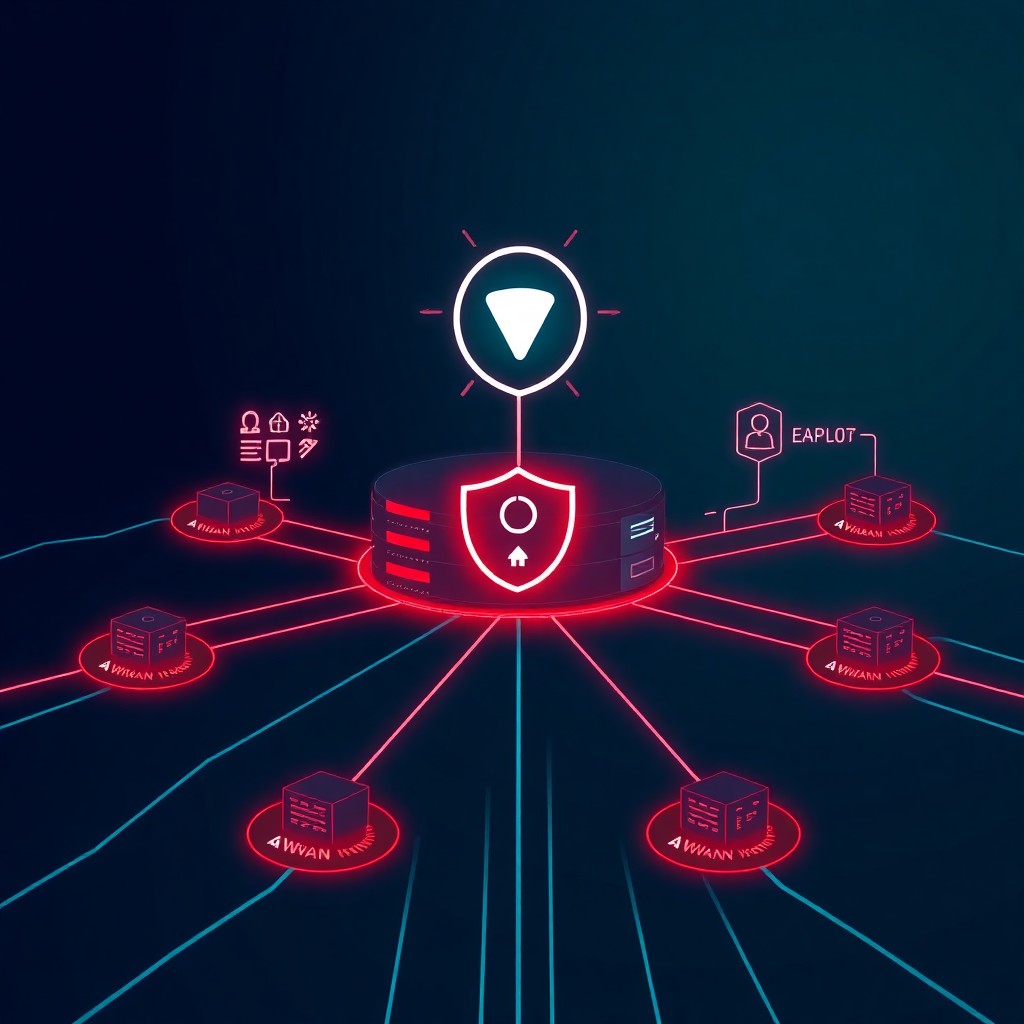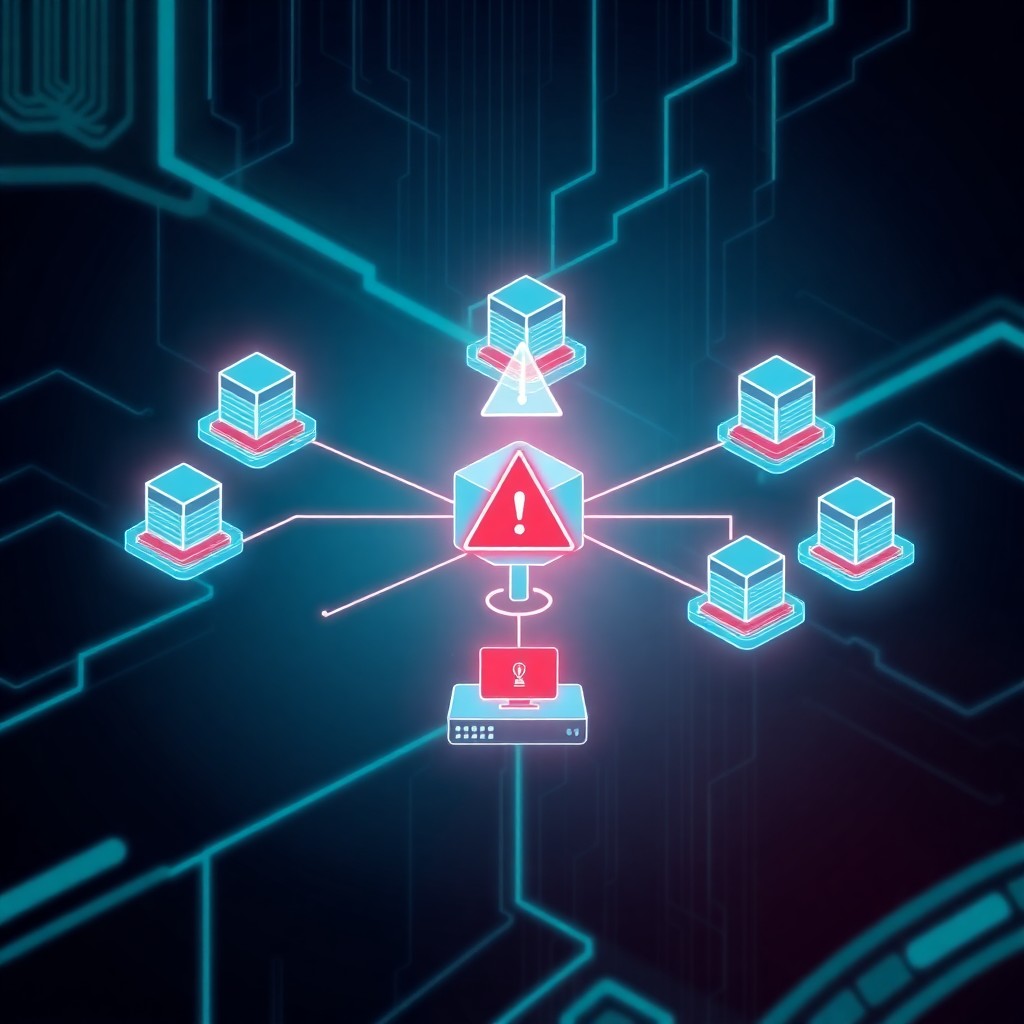










Progress Kemp LoadMaster appliances are facing active exploitation attempts targeting CVE-2024-8037, a critical pre-authentication remote code execution vulnerability with a CVSS score of 10.0. The flaw allows unauthenticated attackers to execute arbitrary commands on vulnerable systems without user interaction. Organizations running affected LoadMaster versions must immediately apply available patches or implement recommended mitigations to prevent compromise.
Introduction
A critical security vulnerability in Progress Kemp LoadMaster has escalated from theoretical risk to active threat as security researchers report exploitation attempts in the wild. CVE-2024-8037 represents one of the most severe vulnerability classes—a pre-authentication remote code execution flaw that requires no user interaction and minimal attack complexity.
LoadMaster appliances serve as critical infrastructure components for organizations worldwide, managing application delivery, load balancing, and traffic distribution across enterprise networks. The vulnerability’s presence in such pivotal infrastructure amplifies its potential impact, as successful exploitation could grant attackers complete control over load balancing operations and potentially provide a foothold for lateral movement within target networks.
The active exploitation of this vulnerability underscores the urgent need for organizations to assess their exposure and implement protective measures immediately.
Background & Context
Progress Kemp LoadMaster is an application delivery controller (ADC) and load balancer deployed extensively across enterprise environments to ensure high availability, optimize application performance, and distribute network traffic efficiently. These appliances typically sit at critical network junctures, managing traffic between users and backend application servers.
CVE-2024-8037 was publicly disclosed in August 2024 after being identified through security research and responsible disclosure processes. The vulnerability affects multiple LoadMaster versions and resides in the management interface’s authentication mechanism, where improper input validation allows attackers to bypass security controls entirely.
The vulnerability earned a maximum CVSS score of 10.0 due to several aggravating factors:
- No authentication required
- Exploitable remotely over the network
- Low attack complexity
- No user interaction needed
- Complete compromise of confidentiality, integrity, and availability
Reports of active exploitation began surfacing weeks after patch availability, suggesting threat actors quickly weaponized proof-of-concept code or independently discovered the vulnerability through their own research efforts.
Technical Breakdown
CVE-2024-8037 exploits a command injection vulnerability in the LoadMaster management interface, specifically in parameters processed before authentication occurs. The flaw stems from insufficient input sanitization in specific API endpoints accessible without credentials.
The vulnerability chain operates through the following mechanism:
- Unauthenticated Access: Attackers access publicly exposed management interfaces, typically on ports 443 (HTTPS) or custom administrative ports.
- Parameter Injection: Crafted HTTP requests containing specially formatted parameters exploit insufficient validation in pre-authentication code paths.
- Command Execution: Malicious payloads escape their intended context and execute with the privileges of the LoadMaster application, typically root or system-level access.
The attack vector requires no special conditions beyond network accessibility to the management interface. A basic exploitation pattern follows this structure:
POST /access/accessCheck HTTP/1.1
Host: [target-loadmaster]
Content-Type: application/x-www-form-urlencoded

param=value;malicious_command
Successful exploitation grants attackers the ability to:
- Execute arbitrary operating system commands
- Modify load balancer configurations
- Intercept and manipulate traffic
- Establish persistent backdoors
- Extract sensitive credentials and certificates
- Pivot to backend systems
The pre-authentication nature of this vulnerability makes it particularly attractive to both opportunistic attackers conducting mass scanning campaigns and sophisticated threat actors targeting specific organizations.
Impact & Risk Assessment
The severity of CVE-2024-8037 cannot be overstated. Organizations running vulnerable LoadMaster instances face multiple critical risks:
Immediate Compromise: Attackers achieving remote code execution gain complete control over the appliance, including access to configuration data, SSL/TLS certificates, and session information for all applications managed by the load balancer.
Traffic Manipulation: Compromised load balancers enable man-in-the-middle attacks against all traffic passing through the appliance. Attackers can intercept credentials, inject malicious content, or redirect users to attacker-controlled infrastructure.
Lateral Movement: LoadMaster appliances typically maintain network connectivity to numerous backend servers and databases. Compromised appliances serve as ideal pivot points for accessing internal network segments that may be otherwise isolated from external networks.
Business Continuity Threats: Attackers could intentionally disrupt load balancing operations, causing application outages and service degradation affecting business operations and customer experience.
Data Exfiltration: Access to decrypted traffic flows provides opportunities for large-scale data theft, including personally identifiable information (PII), payment card data, authentication credentials, and proprietary business information.
Organizations in regulated industries face additional compliance implications, as compromised load balancers handling sensitive data may trigger breach notification requirements under GDPR, HIPAA, PCI-DSS, or other regulatory frameworks.
Vendor Response
Progress Software responded to CVE-2024-8037 by releasing security patches addressing the vulnerability across affected LoadMaster versions. The vendor published security advisory SA-2024-0010 detailing affected versions and remediation steps.
Affected Versions:
- LoadMaster 7.2.59.0 and earlier
- LoadMaster 7.2.54.x series
- LoadMaster 7.2.48.x series
Patched Versions:
- LoadMaster 7.2.59.1 (recommended)
- LoadMaster 7.2.54.4
- LoadMaster 7.2.48.7
Progress issued the following statement emphasizing the critical nature of this vulnerability and urging immediate patching. The vendor established a dedicated support channel for customers requiring assistance with emergency patching procedures.
Progress also released detection guidance to help customers identify potential compromise indicators in their LoadMaster logs prior to patching.
Mitigations & Workarounds
Organizations unable to immediately apply patches should implement the following interim mitigations:
Network Segmentation: Restrict management interface access to trusted IP addresses only. Configure firewall rules limiting administrative access:
# Example iptables rule
iptables -A INPUT -p tcp --dport 443 -s [trusted_admin_subnet] -j ACCEPT
iptables -A INPUT -p tcp --dport 443 -j DROP
VPN Requirements: Require VPN connectivity for all administrative access to LoadMaster management interfaces, eliminating direct internet exposure.
Web Application Firewall: Deploy WAF rules to detect and block exploitation attempts targeting known vulnerable parameters.
Access Control Lists: Configure LoadMaster’s built-in access controls to limit management interface accessibility to specific source networks.
Alternative Access Methods: Utilize out-of-band management networks physically separated from production traffic paths when possible.
Monitoring Enhancement: Increase logging verbosity and implement enhanced monitoring for unusual administrative activities or suspicious command execution patterns.
While these mitigations reduce attack surface, they do not eliminate vulnerability. Patching remains the only complete remediation.
Detection & Monitoring
Organizations should implement comprehensive detection strategies to identify exploitation attempts and potential compromise:
Log Analysis: Review LoadMaster access logs for suspicious patterns indicating exploitation attempts:
# Search for command injection indicators
grep -E '`|\$\(|;|&&|\|\|' /var/log/kemp/accesslog
Network Monitoring: Deploy network sensors to detect unusual outbound connections from LoadMaster appliances, particularly connections to unexpected external destinations or use of uncommon protocols.
Behavioral Analytics: Establish baselines for normal LoadMaster administrative activity and alert on deviations, including:
- Configuration changes outside maintenance windows
- Administrative logins from unexpected source IPs
- Unusual process execution patterns
- Unexpected file system modifications
Indicators of Compromise:
- Unfamiliar user accounts in administrative interfaces
- Modified system files or binaries
- Unexpected scheduled tasks or cron jobs
- Network connections to known malicious infrastructure
- Presence of web shells in web-accessible directories
SIEM Integration: Forward LoadMaster logs to centralized security information and event management (SIEM) platforms for correlation with broader threat intelligence.
Organizations should conduct forensic examination of any LoadMaster appliances exhibiting suspicious behavior, as compromised devices may harbor persistent backdoors surviving standard patching procedures.
Best Practices
Beyond addressing CVE-2024-8037 specifically, organizations should adopt comprehensive security practices for protecting critical infrastructure components:
Minimize Exposure: Never expose administrative interfaces directly to the internet. Implement management plane isolation using dedicated administrative networks.
Principle of Least Privilege: Restrict administrative access based on role requirements. Implement multi-factor authentication for all administrative accounts.
Regular Patching Cadence: Establish processes ensuring timely application of security updates. Subscribe to vendor security advisories and prioritize critical patches.
Configuration Hardening: Disable unnecessary services and features. Change default credentials immediately upon deployment. Implement secure configuration baselines aligned with vendor hardening guides.
Network Segmentation: Isolate critical infrastructure components within dedicated network segments with strict inter-segment access controls.
Backup and Recovery: Maintain offline configuration backups enabling rapid recovery from compromise. Test recovery procedures regularly.
Vulnerability Management: Conduct regular vulnerability assessments of infrastructure components. Prioritize remediation based on exploitability and business impact.
Security Monitoring: Implement comprehensive logging and monitoring with alerting on security-relevant events. Retain logs for sufficient periods supporting forensic investigation.
Incident Response Preparation: Develop and test incident response procedures specific to load balancer compromise scenarios, including traffic redirection procedures and failover mechanisms.
Key Takeaways
- CVE-2024-8037 is a critical pre-authentication RCE vulnerability affecting Progress Kemp LoadMaster appliances with active exploitation in the wild
- The vulnerability carries a maximum CVSS score of 10.0 and requires no authentication or user interaction to exploit
- Successful exploitation grants complete system compromise with potential for traffic interception, lateral movement, and persistent access
- Patches are available and must be applied immediately to affected LoadMaster versions
- Organizations unable to patch immediately should implement network-based access restrictions to management interfaces
- Comprehensive monitoring and detection capabilities are essential for identifying potential compromise
- LoadMaster’s critical role in application delivery makes this vulnerability particularly dangerous to business operations and data security
References
- Progress Software Security Advisory SA-2024-0010
- CVE-2024-8037 – National Vulnerability Database
- Progress Kemp LoadMaster Documentation Portal
- CISA Known Exploited Vulnerabilities Catalog
- LoadMaster Hardening Guide – Progress Software
Stay updated at https://cydhaal.com — Your Daily Dose of Cyber Intelligence.
📧 Subscribe to our newsletter at https://cydhaal.com/newsletter/