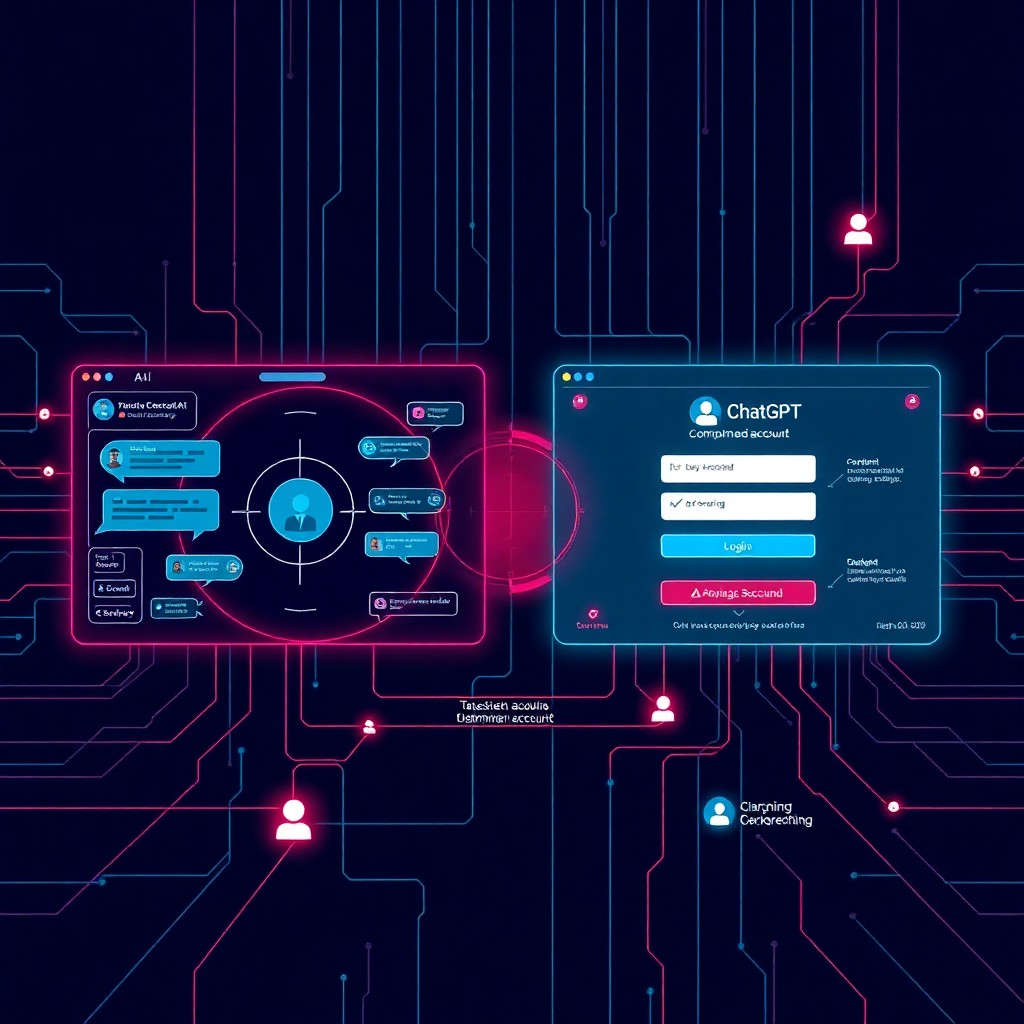







Free streaming apps available on popular smart TV platforms are secretly converting millions of devices into residential proxy networks used for AI data scraping operations. These applications, marketed as free entertainment solutions, embed software development kits (SDKs) that route third-party web traffic through users’ home internet connections without explicit informed consent. The compromised bandwidth supports large-scale web scraping for AI model training, creating legal liability, performance degradation, and potential security risks for unsuspecting consumers.
Introduction
The old adage “if you’re not paying for the product, you are the product” has found a disturbing new application in the smart TV ecosystem. Security researchers have uncovered that numerous free applications available through mainstream smart TV app stores contain embedded proxy functionality that transforms consumer devices into nodes within commercial residential proxy networks. Unlike traditional VPN or proxy services where users knowingly participate, these implementations operate with minimal transparency, exploiting users’ internet connections to facilitate web scraping operations primarily aimed at collecting training data for artificial intelligence systems.
This development represents a significant escalation in how application developers monetize free software, moving beyond traditional advertising models into territory that directly impacts network infrastructure, potentially violates terms of service agreements with ISPs, and exposes users to unforeseen legal and security consequences.
Background & Context
Residential proxy networks have become increasingly valuable as websites implement more sophisticated bot detection systems. Unlike datacenter proxies that originate from easily identifiable IP ranges, residential proxies route traffic through legitimate home internet connections, making automated scraping activities appear as organic user behavior. This capability has created a lucrative market where proxy network operators pay application developers to embed SDKs that convert user devices into proxy nodes.
Smart TVs represent an attractive target for this business model for several reasons. First, these devices maintain persistent internet connections and often remain powered on for extended periods. Second, smart TV operating systems—including Samsung’s Tizen, LG’s webOS, and various Android TV implementations—support third-party applications with relatively limited security vetting compared to mobile app stores. Third, users typically exercise less scrutiny over smart TV app permissions compared to smartphone applications.
The primary consumers of these residential proxy services are data aggregation companies, competitive intelligence firms, and increasingly, organizations collecting massive datasets for training large language models and other AI systems. Web scraping at the scale required for contemporary AI training demands enormous numbers of diverse IP addresses to avoid rate limiting and detection.
Technical Breakdown
The proxy SDK implementation follows a consistent pattern across affected applications. Upon installation, the app requests network permissions that appear standard for streaming functionality. The embedded SDK initializes a lightweight SOCKS or HTTP proxy server that listens for incoming connection requests from the proxy network’s control infrastructure.
The traffic flow operates as follows:
AI Scraper → Proxy Network API → Smart TV (User Device) → Target WebsiteControl commands arrive through encrypted channels, typically HTTPS connections to legitimate-looking domains. The SDK receives scraping tasks, establishes connections to target websites using the smart TV’s IP address, retrieves the requested content, and returns the data through the proxy network infrastructure.
Traffic shaping techniques limit bandwidth consumption to avoid triggering user complaints about network performance. Typical implementations restrict proxy traffic to 10-30% of available bandwidth and prioritize the host application’s legitimate streaming functions. Some SDKs implement time-based restrictions, increasing proxy activity during hours when users are less likely to notice performance degradation.
The applications employ several obfuscation techniques:
Code Obfuscation: Proxy functionality is heavily obfuscated within compiled binaries, making static analysis difficult without specialized reverse engineering tools.
Domain Fronting: Control channels may leverage CDN services to disguise command-and-control traffic as connections to mainstream cloud providers.
Delayed Activation: Some implementations include dormancy periods of 7-14 days after installation before activating proxy functionality, complicating correlation between installation and network changes.
Encrypted Payloads: All proxy traffic uses TLS encryption, preventing deep packet inspection by consumer network equipment from identifying the nature of relayed traffic.
Impact & Risk Assessment
The security and legal implications of unauthorized proxy operations are substantial:
Bandwidth Theft: While individual impact may seem minimal, aggregate consumption across multiple apps can noticeably degrade network performance, particularly for households with bandwidth caps or slower connections.
Terms of Service Violations: Most residential ISP agreements explicitly prohibit operating servers or commercial services on consumer connections. Proxy operations directly violate these terms and could result in service termination.
Legal Liability: Traffic routed through a user’s IP address appears to originate from their household. If proxy traffic includes illegal activities—accessing restricted content, credential stuffing, or other malicious operations—the homeowner’s IP address appears in target systems’ logs, creating potential legal exposure.
Security Risks: The proxy infrastructure introduces attack surface. Vulnerabilities in SDK implementations could enable unauthorized parties to route malicious traffic through compromised devices or potentially pivot to internal network resources.
Data Privacy Concerns: While most implementations claim to only proxy outbound requests without inspecting user data, the presence of sophisticated network code on devices that handle personal viewing habits and account credentials creates inherent privacy risks.
The AI training industry’s insatiable appetite for data has created economic incentives that overshadow these consumer impacts. Organizations developing large language models require petabytes of web content, and residential proxy networks provide cost-effective scraping infrastructure that bypasses technical countermeasures.
Vendor Response
Smart TV manufacturers have begun addressing this issue with varying levels of commitment. Samsung issued a statement acknowledging concerns and committed to enhanced app review processes for Tizen-based devices. LG announced similar measures for webOS applications, including retrospective scanning of existing app store offerings.
Several identified applications have been removed from official app stores following security researcher disclosures. However, the decentralized nature of smart TV platforms—with regional app stores and sideloading capabilities—limits the effectiveness of these removals.
The SDK providers operating these proxy networks maintain that their services comply with applicable laws and that partner applications include appropriate disclosures in privacy policies and terms of service. However, analysis of these documents reveals that proxy functionality is typically described in vague terms buried within lengthy legal text that few users read comprehensively.
Mitigations & Workarounds
Users concerned about unauthorized proxy operations should implement the following defensive measures:
Audit Installed Applications: Review all installed smart TV apps and remove unfamiliar or rarely used applications, particularly free streaming services from unknown developers.
Network Monitoring: Implement network-level monitoring to identify unusual traffic patterns:
# Monitor outbound connections from smart TV IP
tcpdump -i eth0 host 192.168.1.XXX -w smarttv_traffic.pcap
Network Segmentation: Isolate smart TVs on separate VLANs with restricted access to internal network resources:
# Example firewall rule limiting smart TV VLAN
iptables -A FORWARD -s 192.168.10.0/24 -d 192.168.1.0/24 -j DROP
DNS Filtering: Deploy DNS-based filtering solutions that block known proxy network control domains. Services like Pi-hole can be configured with community-maintained blocklists targeting proxy SDK infrastructure.
Disable Unnecessary Network Features: Turn off features like “Content Recognition” and “Interactive Services” that require persistent network connectivity beyond streaming functions.
Factory Reset: For devices exhibiting suspicious network behavior, perform factory resets and carefully vet applications before reinstallation.
Detection & Monitoring
Identifying proxy activity requires analyzing network traffic for characteristic patterns:
Unusual Connection Diversity: Smart TVs typically connect to a limited set of streaming service domains. Proxy operations generate connections to diverse, unrelated websites.
Persistent Background Traffic: Legitimate streaming generates traffic during active viewing. Continuous low-volume traffic during idle periods suggests background operations.
Geographic Anomalies: Connections to servers in numerous geographic regions unrelated to installed services may indicate proxy relay activity.
Network administrators can implement detection using tools like Zeek (formerly Bro):
# Zeek script to detect high connection diversity from single host
@load base/protocols/http

global connection_count: table[addr] of count &create_expire=1hr;

event http_request(c: connection, method: string, original_URI: string) {
    if (c$id$orig_h !in connection_count)
        connection_count[c$id$orig_h] = 0;

    ++connection_count[c$id$orig_h];

    if (connection_count[c$id$orig_h] > 100)
        print fmt("Potential proxy detected: %s", c$id$orig_h);
}
Consumer router logs should be reviewed for:
- Unusual spikes in data transfer volumes
- Connections to cloud infrastructure providers not associated with known services
- High numbers of concurrent connections
Best Practices
Organizations and privacy-conscious consumers should adopt these preventive measures:
Application Vetting: Before installing applications, research developer reputation, review privacy policies for proxy-related language, and check community forums for reported issues.
Principle of Least Privilege: Only grant network permissions essential for advertised functionality. Be skeptical of free applications requesting extensive permissions.
Regular Security Audits: Periodically review installed applications, connected devices, and network traffic patterns to identify anomalies.
Alternative Solutions: Consider paid streaming services with established privacy practices rather than free alternatives with unclear business models.
Network-Level Controls: Implement comprehensive network monitoring and access controls, particularly for IoT devices with limited security oversight.
Firmware Updates: Maintain current firmware on smart TVs and routers to benefit from security improvements and detection capabilities.
Privacy-Focused DNS: Use DNS providers that offer malware and tracking protection, such as Quad9 or Cloudflare’s privacy-focused resolvers.
Key Takeaways
- Free smart TV applications are increasingly monetizing through embedded residential proxy SDKs that route third-party traffic through users’ internet connections
- This practice primarily supports web scraping operations for AI training data collection, creating a hidden cost for consumers
- Users face bandwidth consumption, potential ISP terms of service violations, legal liability risks, and security exposure
- Detection requires network monitoring for unusual traffic patterns, connection diversity, and persistent background communications
- Mitigation strategies include application auditing, network segmentation, DNS filtering, and implementing comprehensive monitoring solutions
- The practice highlights broader concerns about transparency in free application business models and the hidden costs of AI development infrastructure
- Smart TV platforms require more rigorous application security vetting processes to protect consumers from predatory monetization practices
References
- EFF Analysis: Residential Proxy Networks and Consumer Rights
- OWASP IoT Security Guidelines for Smart Home Devices
- FTC Consumer Alert: Smart TV Privacy and Security Risks
- Academic Research: “Hidden Data Flows in Free Mobile Applications”
- Network Security Monitoring: Detecting Residential Proxy Operations
- Consumer Reports: Smart TV Privacy Investigation 2024
- IEEE Paper: “Analyzing Third-Party SDK Behavior in IoT Applications”
Stay updated at https://cydhaal.com — Your Daily Dose of Cyber Intelligence.
📧 Subscribe to our newsletter at https://cydhaal.com/newsletter/