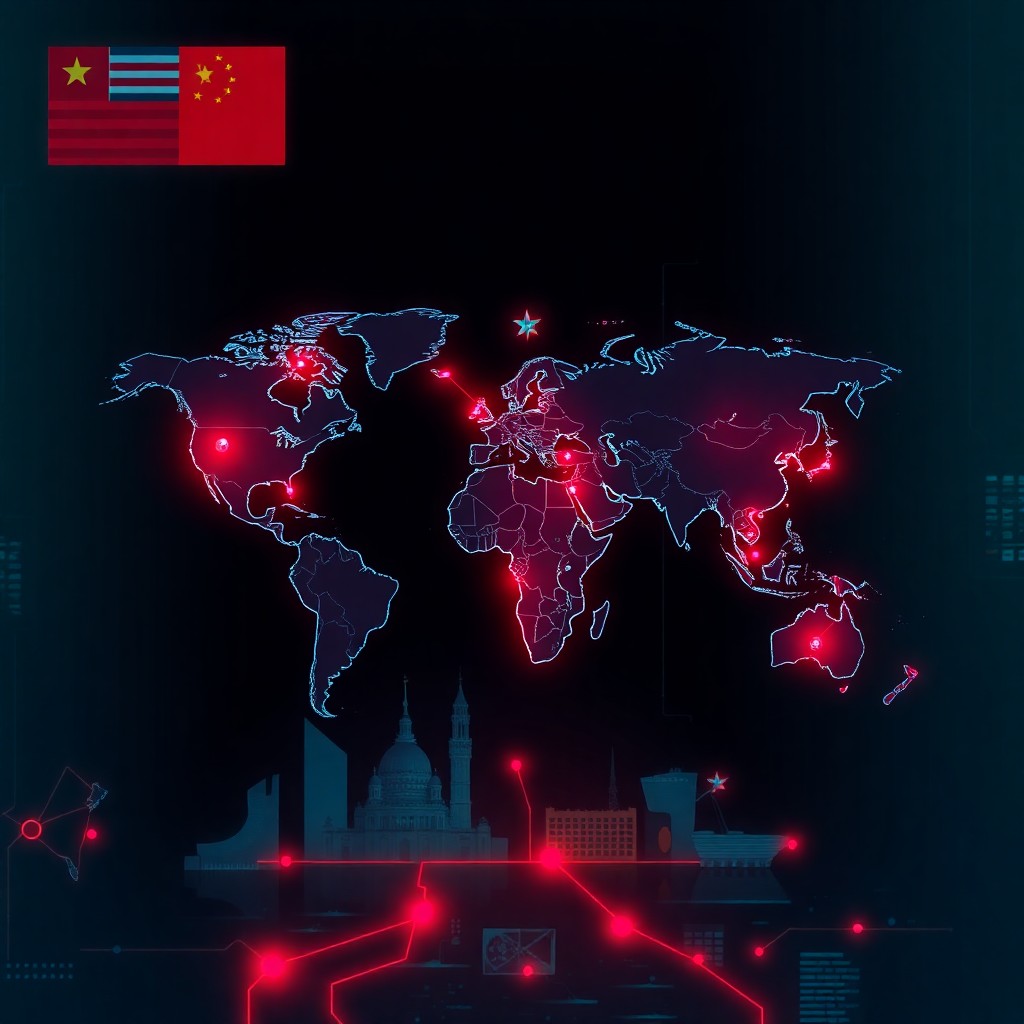








Michigan lawmakers are advocating for a complete ban on Chinese-manufactured and Chinese-branded vehicles from entering U.S. borders, citing national security risks related to surveillance capabilities, data collection, and potential remote control features. The proposed measures go beyond existing restrictions on federal fleet purchases, targeting all Chinese vehicles including those driven by visitors. This escalation reflects growing concerns about connected vehicle technology serving as intelligence gathering tools for foreign adversaries.
Introduction
The automotive heartland of America is drawing a hard line against Chinese vehicles. Michigan politicians are pushing federal legislation that would prohibit Chinese-badged cars from crossing into United States territory, marking an unprecedented expansion of automotive cybersecurity policy. Unlike previous measures focused on government procurement, this proposal would affect private citizens, tourists, and business visitors attempting to enter the U.S. in Chinese-manufactured vehicles.
The initiative represents a convergence of traditional automotive protectionism and modern cybersecurity threats. As vehicles transform into rolling data centers with constant internet connectivity, sensors, cameras, and sophisticated software systems, lawmakers view Chinese-made cars as potential surveillance platforms that could compromise national infrastructure and personal privacy on an unprecedented scale.
Background & Context
The U.S. has incrementally restricted Chinese automotive technology over the past several years. The Biden administration has implemented rules preventing Chinese electric vehicles from qualifying for consumer tax credits and banned Chinese-made vehicles from federal government fleets. The Infrastructure Investment and Jobs Act included provisions restricting federally funded transit agencies from purchasing rolling stock from Chinese companies.
However, these measures primarily targeted procurement decisions rather than imposing blanket entry restrictions. Chinese vehicles remain relatively rare on American roads, with brands like BYD, NIO, and Geely having minimal presence in the U.S. market. Despite this limited footprint, intelligence assessments have consistently warned about the security implications of connected vehicle technology manufactured in countries with laws requiring corporate cooperation with intelligence services.
China’s 2017 National Intelligence Law compels Chinese organizations and citizens to “support, assist, and cooperate with state intelligence work.” This legal framework creates concerns that Chinese automotive manufacturers could be compelled to enable surveillance or sabotage capabilities in their vehicles, regardless of corporate intentions. Modern vehicles collect vast amounts of data including location history, driving patterns, biometric information, communications, and detailed mapping of surrounding infrastructure.
Technical Breakdown
Contemporary vehicles function as mobile surveillance platforms regardless of manufacturer. A typical connected car contains 50-150 electronic control units (ECUs), processes 25 gigabytes of data per hour, and maintains constant or periodic internet connectivity through cellular networks. These systems include:
Data Collection Infrastructure:
- GPS tracking with continuous location logging
- Multiple cameras providing 360-degree environmental monitoring
- LiDAR and radar systems mapping infrastructure details
- Microphones capturing in-cabin conversations
- Smartphone integration accessing contacts, messages, and application data
Network Architecture:
- Cellular modems enabling remote connectivity
- Vehicle-to-everything (V2X) communication protocols
- Over-the-air update capabilities with system-level access
- Cloud-based services processing and storing user data
- Third-party API integrations expanding attack surface
Potential Threat Vectors:
- Remote exploitation of telematics systems
- Firmware manipulation through compromised update channels
- Pre-installed backdoors in proprietary components
- Data exfiltration through encrypted channels
- Kill-switch capabilities disabling vehicle functions
The concern extends beyond individual privacy to systemic risks. Aggregated data from vehicle fleets could reveal patterns about military installations, critical infrastructure vulnerabilities, traffic management systems, and emergency response protocols. The collective intelligence value of this data potentially exceeds the sum of individual vehicle information.
Advanced persistent threat scenarios include supply chain compromises where malicious functionality resides in microcontrollers, communication modules, or sensor systems manufactured by Chinese suppliers and integrated into vehicles. These components operate below the level of traditional security scanning, making detection extraordinarily difficult.
Impact & Risk Assessment
Immediate Impacts:
The proposed ban would primarily affect border communities and international visitors. Canadian and Mexican residents driving Chinese-branded vehicles would face restrictions on cross-border shopping, tourism, and business activities. Chinese nationals visiting the U.S. in rental vehicles from their home country would require alternative transportation arrangements.
Economic Considerations:
While Chinese brands hold minimal U.S. market share, Chinese companies own or have significant stakes in multiple automotive brands operating globally. Enforcement would require clear definitions distinguishing vehicles by manufacturing origin, brand ownership, and component sourcing. Volvo, for instance, is owned by Chinese company Geely but manufactures vehicles in multiple countries.
Strategic Security Implications:
The intelligence gathering potential represents the primary concern. A fleet of data-collecting vehicles operating throughout U.S. territory could provide foreign intelligence services with unprecedented situational awareness. Specific risks include:
- Detailed mapping of military base layouts and security procedures
- Pattern-of-life analysis for government officials and military personnel
- Real-time monitoring of critical infrastructure access points
- Traffic pattern analysis revealing emergency response capabilities
- Economic intelligence from executive travel patterns
Precedent and Escalation:
A U.S. ban on Chinese vehicles would likely trigger reciprocal restrictions, affecting American automotive manufacturers in the world’s largest car market. This could accelerate technological decoupling between U.S. and Chinese automotive ecosystems, forcing global manufacturers to maintain separate supply chains and development tracks.
Vendor Response
Chinese automotive manufacturers have consistently maintained that their vehicles comply with applicable privacy and security regulations in markets where they operate. Companies like BYD and NIO emphasize their commitment to user privacy and data protection, noting their vehicles undergo security assessments before market entry.
The Chinese government has characterized automotive restrictions as protectionist measures disguised as security concerns, arguing that similar data collection capabilities exist in vehicles from all manufacturers regardless of origin. This “whataboutism” defense carries some validity given the extensive data collection practices across the automotive industry.
U.S. automotive manufacturers and their lobby groups have offered cautious support for measures restricting Chinese vehicles, though they remain concerned about reciprocal actions affecting their substantial Chinese operations. The Alliance for Automotive Innovation has emphasized the need for clear, enforceable standards applicable to all manufacturers rather than country-specific bans.
Mitigations & Workarounds
For policymakers implementing vehicle restrictions:
Border Enforcement Framework:
1. Vehicle registration database integration
- Automated license plate recognition systems
- Declaration requirements at ports of entry
- Clear exception processes for diplomatic vehicles
- Coordination with Canadian/Mexican counterparts
Alternative Regulatory Approaches:
- Mandatory security certification for all connected vehicles
- Data localization requirements prohibiting offshore transmission
- Transparency requirements for data collection practices
- Regular third-party security audits
- Kill-switch disclosure and limitation requirements
For Affected Travelers:
Individuals planning cross-border travel should:
- Verify vehicle eligibility before travel
- Arrange alternative transportation at borders
- Maintain documentation of vehicle manufacturing origin
- Monitor official guidance from customs authorities
Detection & Monitoring
Border enforcement would require technical infrastructure identifying vehicle origin:
Identification Systems:
# Vehicle identification protocol
VIN_CHECK=$(curl -X POST https://api.nhtsa.gov/vin/decode \
  -d "vin=$VEHICLE_VIN" \
  -d "format=json")

MANUFACTURER=$(echo $VIN_CHECK | jq '.manufacturer_country')
BRAND_OWNER=$(echo $VIN_CHECK | jq '.brand_ownership')
Database Requirements:
- Real-time access to international vehicle registration databases
- Manufacturing origin verification systems
- Brand ownership tracking accounting for corporate structures
- Exception lists for diplomatic and emergency vehicles
Monitoring Infrastructure:
Implementation requires coordination between Customs and Border Protection, Department of Homeland Security, and Department of Transportation to maintain accurate vehicle eligibility databases and enforcement protocols at hundreds of border crossing points.
Best Practices
For Policymakers:
- Base restrictions on verifiable security assessments rather than country of origin alone
- Establish clear technical standards applicable to all manufacturers
- Create transparent testing and certification processes
- Coordinate internationally to prevent fragmentation
- Develop reciprocity mitigation strategies
For Automotive Manufacturers:
- Implement privacy-by-design principles
- Minimize data collection to operational necessities
- Provide user control over data sharing
- Enable local data processing where possible
- Submit to independent security audits
- Maintain transparent supply chain documentation
For Security Researchers:
- Continue investigating connected vehicle vulnerabilities across all manufacturers
- Develop standardized security testing frameworks
- Publish findings to inform policy decisions
- Collaborate with automotive cybersecurity working groups
Key Takeaways
- Michigan lawmakers seek comprehensive ban on Chinese vehicles entering U.S. territory, exceeding current procurement restrictions
- Modern connected vehicles collect extensive data with potential intelligence value to foreign adversaries
- Chinese law requires corporate cooperation with intelligence services, creating structural security concerns
- Implementation challenges include defining “Chinese vehicles” given global supply chains and corporate ownership complexity
- Precedent could trigger reciprocal restrictions affecting U.S. manufacturers in Chinese market
- Alternative approaches include security certification requirements applicable to all manufacturers regardless of origin
- Vehicle cybersecurity concerns extend beyond Chinese manufacturers to entire connected vehicle ecosystem
The Michigan proposal represents automotive cybersecurity policy entering a new phase where connected vehicle technology is treated as national security infrastructure rather than consumer products. While Chinese vehicles currently represent minimal U.S. market presence, the precedent establishes frameworks that could expand to address broader connected vehicle security concerns across the industry. The tension between legitimate security requirements and protectionist motivations will shape how these policies evolve and whether they focus on measurable technical standards or country-based exclusions.
References
- U.S. Department of Commerce, Vehicle Connectivity and Cybersecurity Framework
- National Highway Traffic Safety Administration, Connected Vehicle Security Guidelines
- Infrastructure Investment and Jobs Act, Rolling Stock Procurement Restrictions
- Chinese National Intelligence Law (2017)
- Alliance for Automotive Innovation, Connected Vehicle Policy Statements
- Society of Automotive Engineers, J3061 Cybersecurity Guidebook
- Department of Homeland Security, Vehicle Cybersecurity Threat Assessment
Stay updated at https://cydhaal.com — Your Daily Dose of Cyber Intelligence.
📧 Subscribe to our newsletter at https://cydhaal.com/newsletter/