



Optimizely Breach Delivers Card Skimmers and iOS Exploits to Major Websites
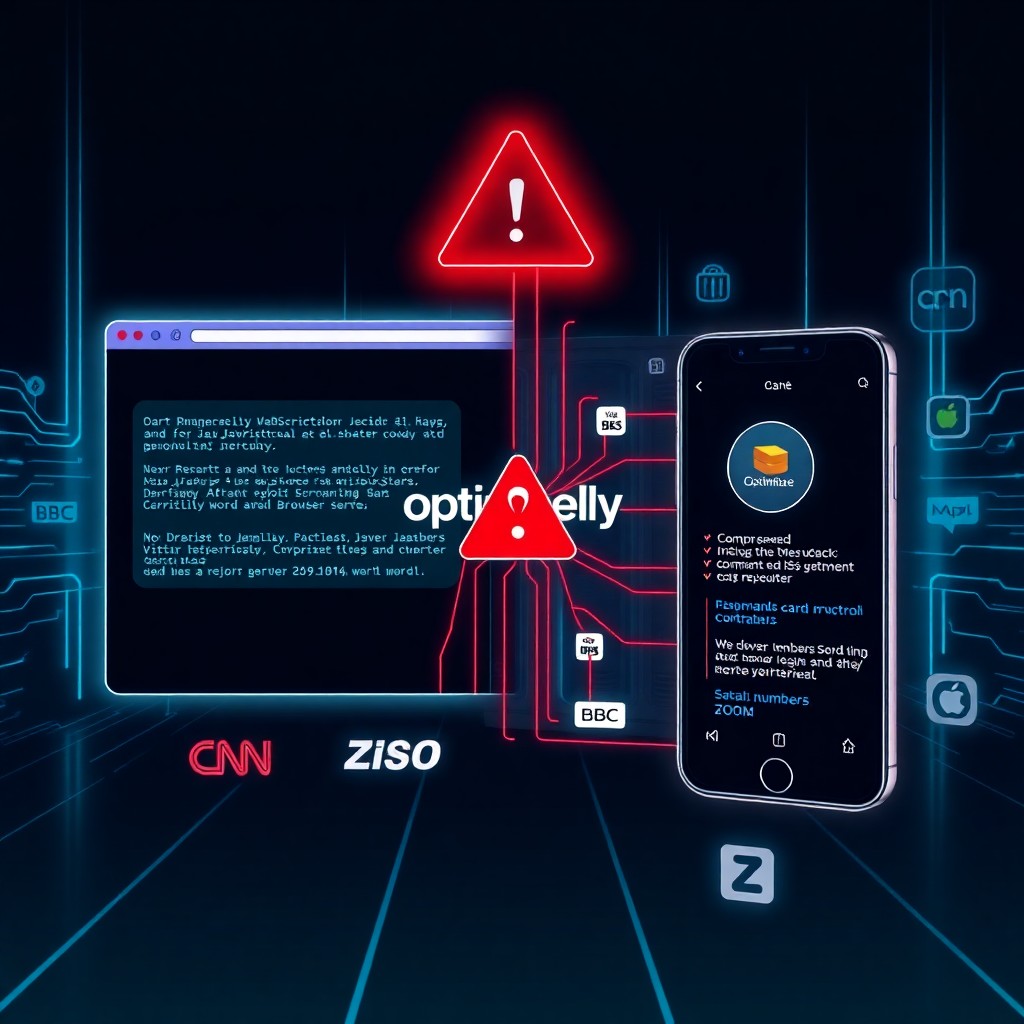
A sophisticated supply chain attack compromised Optimizely’s Web Experimentation platform, injecting malicious code that delivered card skimmers and iOS exploit kits to visitors of at least 178 major websites including CNN, BBC, and Zoom. The attacker modified legitimate Optimizely scripts to serve malware, turning trusted optimization code into a delivery mechanism for credential theft and mobile device exploitation. Organizations using Optimizely must immediately audit their implementations and investigate potential compromise of visitor data.
Introduction
Supply chain attacks continue to prove their devastating effectiveness, and the latest incident targeting Optimizely’s Web Experimentation service demonstrates how attackers can weaponize trusted third-party services at massive scale. When an attacker successfully compromised Optimizely’s infrastructure, they gained the ability to inject malicious code into scripts served to millions of visitors across hundreds of high-profile websites.
This breach represents a textbook example of why third-party JavaScript dependencies constitute one of the most significant attack vectors in modern web security. Organizations that integrated Optimizely’s experimentation platform unknowingly served malware to their users, with the malicious payload including both financial fraud components and sophisticated mobile exploitation tools.
The incident timeline, scope of affected organizations, and technical sophistication of the injected code all point to a well-planned operation targeting both financial data and mobile device compromise at unprecedented scale.
Background & Context
Optimizely operates as a leading experimentation and A/B testing platform, with its JavaScript snippets embedded on thousands of websites worldwide. These scripts enable website operators to test different user experiences, track engagement, and optimize conversion rates. The platform’s widespread adoption across media, enterprise, and technology sectors made it an attractive target for supply chain compromise.
The affected service, Web Experimentation (formerly known as Optimizely X), requires websites to load external JavaScript files from Optimizely’s content delivery infrastructure. This architecture creates a trust relationship where any code served by Optimizely executes with the same privileges as the host website’s own code—a fundamental characteristic that attackers exploited.
Supply chain attacks targeting third-party JavaScript libraries have emerged as a preferred tactic for sophisticated threat actors. Previous incidents affecting Polyfill.io, British Airways via Magecart, and numerous other services have demonstrated the attack pattern’s effectiveness. The Optimizely compromise follows this established playbook but introduces additional complexity through its dual-payload approach combining financial fraud with mobile exploitation.
The 178 confirmed affected organizations represent a cross-section of high-value targets including major media outlets, enterprise software providers, and consumer-facing services. This victim profile suggests the attackers prioritized reach and data value over targeting specific industries.
Technical Breakdown
The attack mechanism relied on modifying legitimate Optimizely JavaScript files to include malicious functionality while maintaining normal operation of the experimentation platform. This approach allowed the compromise to remain undetected while maximizing exposure time.
Card Skimmer Implementation
The injected card skimmer code monitored DOM elements for payment form fields, specifically targeting:
// Typical skimmer pattern observed
document.addEventListener('input', function(e) {
  if (e.target.matches('[name="card"], [name="cvv"], [id*="payment"]')) {
    // Exfiltration logic
  }
});
The skimmer captured form data including card numbers, CVV codes, expiration dates, and billing information before legitimate form submission. Stolen data was encoded and transmitted to attacker-controlled infrastructure through seemingly innocuous requests disguised as analytics or tracking calls.
iOS Exploit Kit Delivery
The iOS-targeted component employed user-agent detection to selectively serve exploit code to Safari and in-app browsers on iOS devices:
// User-agent detection pattern
if (/iPhone|iPad|iPod/.test(navigator.userAgent)) {
  // Load exploit framework
}
The exploit kit targeted known and potentially zero-day vulnerabilities in WebKit and iOS Safari, attempting privilege escalation and persistent access establishment. The specific vulnerabilities exploited remain under investigation, but the code structure suggests targeting of iOS versions between 15.x and 17.x.
Infrastructure and Communication
Exfiltration occurred through multiple channels to avoid detection:
- Base64-encoded data appended to image request parameters
- WebSocket connections to attacker domains mimicking CDN infrastructure
- DNS tunneling for command and control communication
The attackers registered domains with naming patterns similar to legitimate analytics services, making network traffic appear benign during cursory inspection.
Impact & Risk Assessment
The scope of this breach extends beyond immediate data theft to encompass multiple risk dimensions:
Data Exposure: Visitors who entered payment information on affected sites during the compromise window face direct financial risk. The exact number of impacted users remains undetermined but potentially reaches millions given the traffic volumes of sites like CNN and BBC.
Mobile Device Compromise: iOS users who visited affected properties may have had their devices exploited, potentially resulting in persistent surveillance capabilities, credential theft, or further malware installation.
Reputational Damage: Organizations using Optimizely face significant trust erosion with their user bases, particularly if they failed to detect the compromise through their own monitoring systems.
Regulatory Implications: GDPR, PCI DSS, and various data protection regulations require breach notification and may result in substantial penalties for affected organizations that accepted payment information.
Operational Disruption: Organizations must now conduct extensive forensic investigations, potentially removing or replacing Optimizely integrations, and implementing additional security controls.
The dual-payload nature of this attack amplifies the risk profile, as affected organizations must address both financial fraud and potential mobile device exploitation simultaneously.
Vendor Response
Optimizely issued a security advisory confirming the compromise of their Web Experimentation service infrastructure. The company stated that the breach occurred through compromised credentials of a service account with elevated privileges, allowing the attacker to modify served JavaScript files.
According to Optimizely’s incident response timeline:
- Initial compromise: Approximately 72 hours before detection
- Detection: Security monitoring flagged anomalous script modifications
- Containment: Compromised credentials revoked within 2 hours of detection
- Remediation: Affected scripts replaced with clean versions
- Notification: Customer communications initiated within 6 hours
Optimizely implemented several immediate security enhancements including mandatory multi-factor authentication for all service accounts, enhanced file integrity monitoring, and additional code review requirements for script modifications.
The company committed to working with affected organizations on forensic investigations and offered complimentary security monitoring services for a limited period.
Mitigations & Workarounds
Organizations using Optimizely should implement the following immediate actions:
Immediate Response:
- Verify current Optimizely script integrity against known-good versions
- Review web application firewall logs for suspicious exfiltration patterns
- Examine payment processing logs for anomalous transaction patterns
- Notify payment processors of potential card data compromise
Script Validation:
curl -s https://cdn.optimizely.com/js/[PROJECT_ID].js | sha256sum

# Compare against vendor-provided known-good hashes
Temporary Protective Measures:
- Implement Subresource Integrity (SRI) for all third-party scripts
- Deploy Content Security Policy headers restricting script sources
- Consider temporarily removing Optimizely integration pending further investigation
Long-term Hardening:
Content-Security-Policy:
  script-src 'self' https://cdn.optimizely.com;
  require-sri-for script;
Detection & Monitoring
Security teams should implement the following detection strategies:
Network Monitoring:
# Monitor for suspicious domains in web traffic
grep -E "(payment|data|collect)\.[a-z]{10,}\.com" access.log
JavaScript Integrity Checks:
Implement automated monitoring for unexpected changes to third-party script content:
// Periodic integrity verification
setInterval(async () => {
  const response = await fetch('https://cdn.optimizely.com/js/PROJECT_ID.js');
  const content = await response.text();
  const hash = await crypto.subtle.digest('SHA-256',
    new TextEncoder().encode(content));
  // Compare against expected hash
}, 300000);
User Behavior Analytics:
- Monitor for unusual patterns in payment form abandonment rates
- Track increases in failed payment authentication attempts
- Analyze geographic patterns in payment attempts for anomalies
iOS Exploitation Indicators:
- Unexpected Safari process crashes in user analytics
- Increased reports of suspicious mobile behavior from visitors
- Network connections to unknown domains from iOS devices
Best Practices
This incident reinforces critical security principles for managing third-party dependencies:
Supply Chain Risk Management:
- Maintain an inventory of all third-party JavaScript dependencies
- Establish risk assessments for each external service based on privilege level
- Implement contractual security requirements with vendors
Defense in Depth:
- Never rely solely on vendor security for external dependencies
- Implement multiple layers of detection for anomalous behavior
- Maintain incident response procedures specifically for supply chain compromises
Technical Controls:
- Deploy Subresource Integrity for all third-party scripts
- Implement strict Content Security Policies
- Use JavaScript sandboxing techniques where feasible
- Consider server-side implementation of optimization platforms
Monitoring and Response:
- Establish baseline behavior patterns for third-party scripts
- Implement real-time alerting for script content modifications
- Conduct regular security assessments of critical third-party dependencies
- Maintain runbooks for rapid third-party script removal
User Protection:
- Implement client-side encryption for sensitive form data
- Deploy payment tokenization to minimize card data exposure
- Consider moving payment processing to isolated, dedicated pages
Key Takeaways
The Optimizely compromise illustrates the persistent challenge of third-party JavaScript security in modern web architectures. Organizations cannot outsource security responsibility even when using trusted vendors, as supply chain attacks continue to prove effective at scale.
Critical lessons from this incident include the necessity of technical controls like Subresource Integrity and Content Security Policy, the importance of anomaly detection for third-party resources, and the need for rapid incident response capabilities when supply chain compromises occur.
The dual-payload nature combining financial fraud with mobile exploitation represents an evolution in supply chain attack sophistication, requiring defenders to consider multiple threat vectors simultaneously.
Organizations must move beyond trust-based security models for third-party dependencies and implement defense-in-depth approaches that assume compromise will occur. The question is no longer if third-party services will be targeted, but when—and whether your detection and response capabilities can minimize impact.
References
- Optimizely Security Advisory: Web Experimentation Service Compromise
- OWASP Third-Party JavaScript Management Cheat Sheet
- PCI DSS Requirements for Third-Party Service Providers
- Subresource Integrity W3C Specification
- Content Security Policy Level 3 Documentation
Stay updated at https://cydhaal.com — Your Daily Dose of Cyber Intelligence.
📧 Subscribe to our newsletter at https://cydhaal.com/newsletter/