









Rapid7’s investigation uncovered a thriving underground economy where cybercriminals trade Social Security Numbers (SSNs) and personal identifiable information (PII) of 476 corporate executives across dark web marketplaces. These “Identity-as-a-Service” platforms commoditize executive credentials, enabling sophisticated business email compromise (BEC), spear-phishing, and financial fraud operations. The breach exposes Fortune 500 C-suite members, creating cascading risks for corporate governance, insider trading schemes, and targeted social engineering attacks.
Introduction
The dark web has evolved from a niche criminal marketplace into a sophisticated e-commerce ecosystem offering “Identity-as-a-Service” products with customer support, escrow systems, and bulk pricing. Rapid7’s recent investigation exposed a disturbing trend: cybercriminals actively trading verified Social Security Numbers and comprehensive dossiers of corporate executives, transforming stolen identity data into weaponized intelligence.
Unlike mass consumer data breaches affecting millions, this targeted collection focuses specifically on C-suite executives, board members, and senior leadership across major corporations. The 476 compromised individuals represent strategic targets whose credentials unlock privileged access to corporate networks, financial systems, and confidential business intelligence.
This discovery highlights a fundamental shift in cybercrime economics—attackers recognize that quality trumps quantity when executive credentials provide direct pathways to multi-million dollar wire fraud schemes and corporate espionage operations.
Background & Context
Executive PII has always commanded premium prices in underground markets, but recent years have witnessed industrialization of this trade. Dark web marketplaces now categorize listings by job title, company revenue, and industry sector, allowing threat actors to purchase precisely targeted credential sets.
The supply chain feeding these marketplaces draws from multiple sources:
Data Aggregation Breaches: Major data broker compromises expose compiled records containing employment histories, financial data, and government identifiers. The 2023 MOVEit vulnerability alone compromised records from hundreds of organizations.
Healthcare Database Leaks: Medical records containing SSNs, addresses, and insurance details provide comprehensive identity profiles. Healthcare breaches increased 93% year-over-year according to HHS reporting.
Financial Institution Compromises: Banking Trojans and phishing campaigns targeting wealth management platforms harvest high-net-worth individual credentials, including executive banking details.
Public Records Scraping: Automated bots compile property records, business filings, and court documents to enrich stolen datasets with verified information.
Rapid7’s research identified marketplace listings offering not just SSNs, but complete “executive packages” including driver’s license numbers, passport details, financial account credentials, and family member information—everything needed for comprehensive identity theft or sophisticated impersonation attacks.
Technical Breakdown
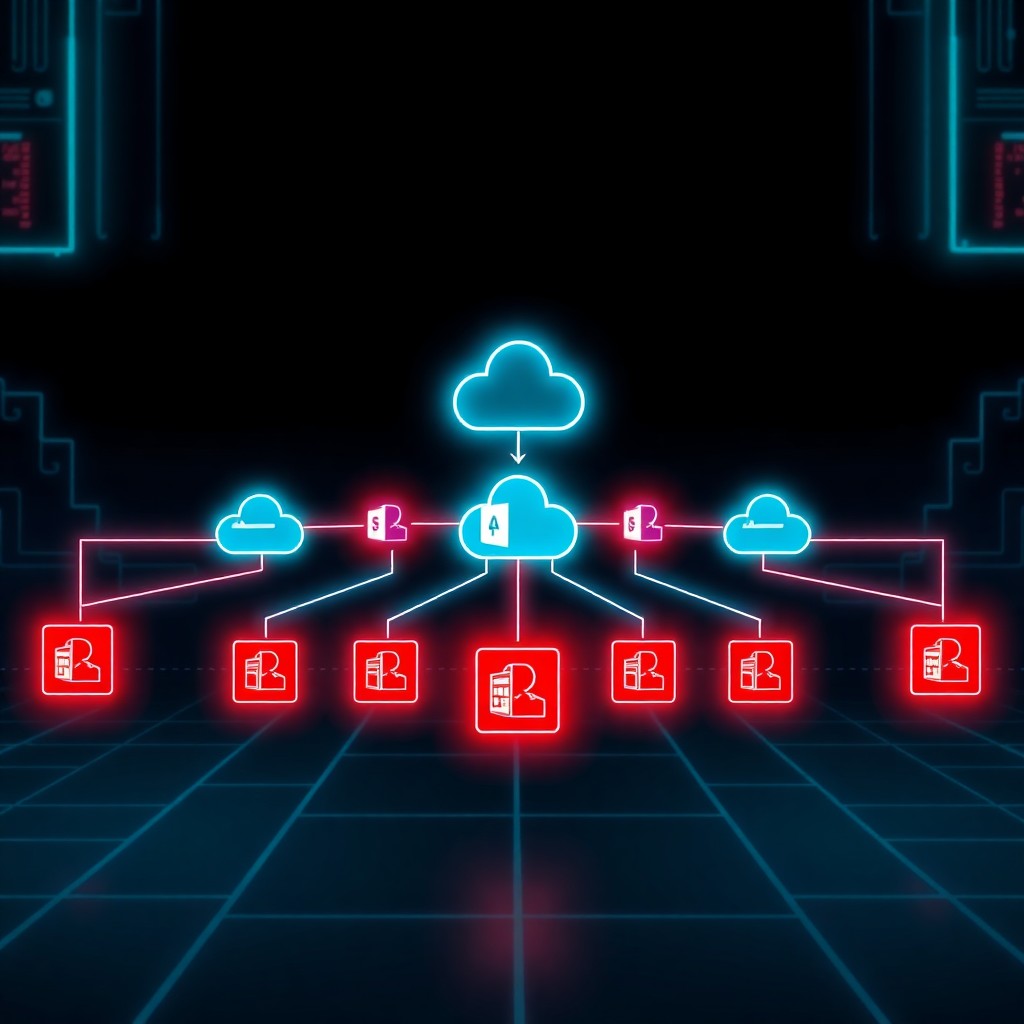
The dark web marketplaces operate with surprising professionalism, employing technical infrastructure that mirrors legitimate e-commerce platforms:
Access Architecture:
User → Tor Network → .onion Marketplace → Escrow System → Vendor
         ↓
    Bitcoin/Monero Payment Gateway
Vendors organize executive data in searchable databases with filters for:
- Company name and ticker symbol
- Executive title and department
- Geographic location
- Data freshness indicators
- Verification status
Listing Structure Example:
Product: C-Level Executive Full Profile
Company: [Fortune 500 Tech]
Position: Chief Financial Officer
Data Points: SSN, DOB, Home Address, DL#, Passport#
Verification: Tax Document Confirmed
Price: 0.15 BTC (~$4,000)
Delivery: Encrypted archive via PGP
The verification process differentiates premium listings. Vendors provide sample redacted documents proving data authenticity—typically screenshots from credit bureaus, tax forms, or financial statements with partial information visible.
Data Delivery Mechanisms:
Purchased credentials arrive through encrypted channels:
# Example PGP-encrypted delivery process
gpg --import vendor_pubkey.asc
gpg --decrypt executive_data.gpg > decrypted.json
Files contain structured JSON or CSV formats enabling immediate integration into phishing automation tools or credential stuffing frameworks.
Advanced marketplaces offer API access for bulk purchasers:
# Pseudocode marketplace API query
import dark_market_api

results = api.search_executives(
    industry="Financial Services",
    title="CFO",
    min_company_revenue=1000000000
)
Impact & Risk Assessment
The compromise of 476 executive SSNs creates multi-layered organizational risks:
Direct Financial Threats:
Business Email Compromise operations leverage executive identities to authorize fraudulent wire transfers. The FBI’s IC3 reported BEC losses exceeding $2.7 billion in 2023, with compromised executive credentials as the primary attack vector.
Corporate Espionage:
Nation-state actors and competitor intelligence operations purchase executive PII to facilitate targeted recruitment of insiders, blackmail operations, or social engineering campaigns against assistants and subordinates.
Regulatory and Compliance Exposure:
Companies face potential SEC violations if compromised executive credentials enable insider trading schemes. The leaked data includes individuals with material non-public information access.
Reputational Damage:
Public disclosure of executive SSN compromise undermines stakeholder confidence. Board members may face shareholder scrutiny over inadequate data protection governance.
Cascading Identity Theft:
Stolen executive identities enable:
- Fraudulent credit applications
- Tax return filing fraud
- Medical identity theft
- Synthetic identity creation using partial real credentials
Risk Severity Matrix:
- Critical: CFOs, CEOs with signing authority
- High: CISOs, General Counsel with privileged access
- Medium: VPs with departmental budget control
- Elevated: Board members with strategic intelligence access
Vendor Response
At publication time, Rapid7 has not disclosed which specific organizations employ the affected executives, citing ongoing coordination with law enforcement and impacted entities.
Rapid7’s public statement emphasized: “We identified these listings during routine dark web monitoring for our clients. The breadth of executive-level compromise indicates systemic failures in identity protection across multiple sectors.”
The cybersecurity firm has:
- Notified Law Enforcement: Provided detailed intelligence packages to FBI Cyber Division and Secret Service Electronic Crimes Task Forces
- Direct Victim Notification: Contacted identified organizations through security contact channels
- Marketplace Documentation: Archived marketplace listings, vendor profiles, and transaction patterns for investigative purposes
Several affected organizations have begun internal investigations to determine breach origins, though attribution remains challenging given the aggregated nature of dark web datasets.
Mitigations & Workarounds
Organizations must implement executive-specific protection strategies:
Immediate Actions:
- Credit Monitoring Enrollment: Deploy executive credit monitoring with real-time alerts for new account applications
- SSN Freeze Implementation:
Equifax: 800-349-9960
Experian: 888-397-3742
TransUnion: 888-909-8872- IRS Identity Protection PIN: Enroll executives in IRS IP PIN program preventing fraudulent tax filings
- Financial Account Reviews: Audit all banking, investment, and retirement accounts for unauthorized access
Organizational Controls:
Enhanced Authentication:
executive_security_policy:
  authentication:
    - hardware_tokens_required: true
    - biometric_verification: mandatory
    - geofencing: corporate_locations_only
  monitoring:
    - behavioral_analytics: enabled
    - anomaly_detection: real_time
Communication Protocol Hardening:
Implement verbal verification for high-value transactions:
- All wire transfers above $50,000 require phone confirmation
- Use pre-established authentication phrases
- Callback to verified directory numbers only
Personal Information Minimization:
- Remove executive profiles from public websites
- Limit LinkedIn detail disclosure
- Opt-out of data broker databases
- Use registered agent services for property records
Detection & Monitoring
Security teams should implement executive-focused threat detection:
Dark Web Monitoring Queries:
# Monitor for executive name variants
tor-search --marketplace "*" --terms "John Smith,J Smith,Smith CFO"

# Track company-specific listings
dark-web-scraper --filter "company:ACME Corp" --alert email
Behavioral Analytics Rules:
# Detect anomalous executive account activity
if (login_location.distance(usual_location) > 100_miles
    AND login_time NOT IN business_hours
    AND device_fingerprint == new):
    trigger_alert(severity="CRITICAL")
Email Security Indicators:
Monitor for executive impersonation attempts:
- Display name spoofing variations
- Look-alike domains (acme-corp.com vs acmecorp.com)
- Unusual urgency language in payment requests
Financial Control Monitoring:
-- Alert on unusual payment patterns
SELECT * FROM wire_transfers
WHERE amount > typical_amount * 2
AND approved_by IN (exec_user_list)
AND destination_account_age < 30_days;
Best Practices
Executive Security Program Components:
- Segregated Email Infrastructure: Provide executives with separate email domains for internal-only communication
- Personal Device Management: Issue dedicated executive mobile devices with enhanced MDM controls
- Security Awareness Training: Quarterly executive-specific phishing simulations using actual dark web tactics
- Incident Response Procedures:
Executive Compromise Playbook:
- Immediate credential reset across all corporate systems
- Activate financial transaction freeze protocols
- Legal counsel notification for regulatory obligations
- Public relations preparation for potential disclosure
- Law enforcement coordination
- Data broker opt-out management
- Public record suppression
- Identity monitoring
- Personal cyber threat intelligence
- Third-Party Risk Management: Audit vendors with executive PII access quarterly
- Data Minimization Policies: Collect only essential executive information; avoid storing SSNs when alternative identifiers suffice
Key Takeaways
- Executive identities are premium commodities in underground markets, sold as complete "packages" enabling sophisticated fraud operations
- 476 corporate leaders face immediate identity theft risks with potential cascading impacts to their organizations
- Dark web marketplaces operate with commercial sophistication, offering verified data, escrow services, and customer support
- Organizations must implement executive-specific security controls beyond standard employee protections
- Multi-source data aggregation creates comprehensive profiles even when individual breaches seem minor
- Proactive dark web monitoring is essential for early detection of compromised executive credentials
- Regulatory and reputational risks extend beyond direct financial fraud to insider trading concerns and governance failures
The commoditization of executive identities represents a maturation of cybercrime economics. Organizations can no longer treat leadership PII protection as equivalent to general employee data security—executives require dedicated threat models, enhanced controls, and continuous monitoring to defend against increasingly sophisticated identity-based attacks.
References
- Rapid7 Dark Web Research Report (2024)
- FBI Internet Crime Complaint Center (IC3) - Business Email Compromise Statistics
- U.S. Department of Health and Human Services - Healthcare Breach Reporting
- Federal Trade Commission - Identity Theft and Data Security Resources
- IRS Identity Protection PIN Program Documentation
- NIST Special Publication 800-63 - Digital Identity Guidelines
Stay updated at https://cydhaal.com — Your Daily Dose of Cyber Intelligence.
📧 Subscribe to our newsletter at https://cydhaal.com/newsletter/