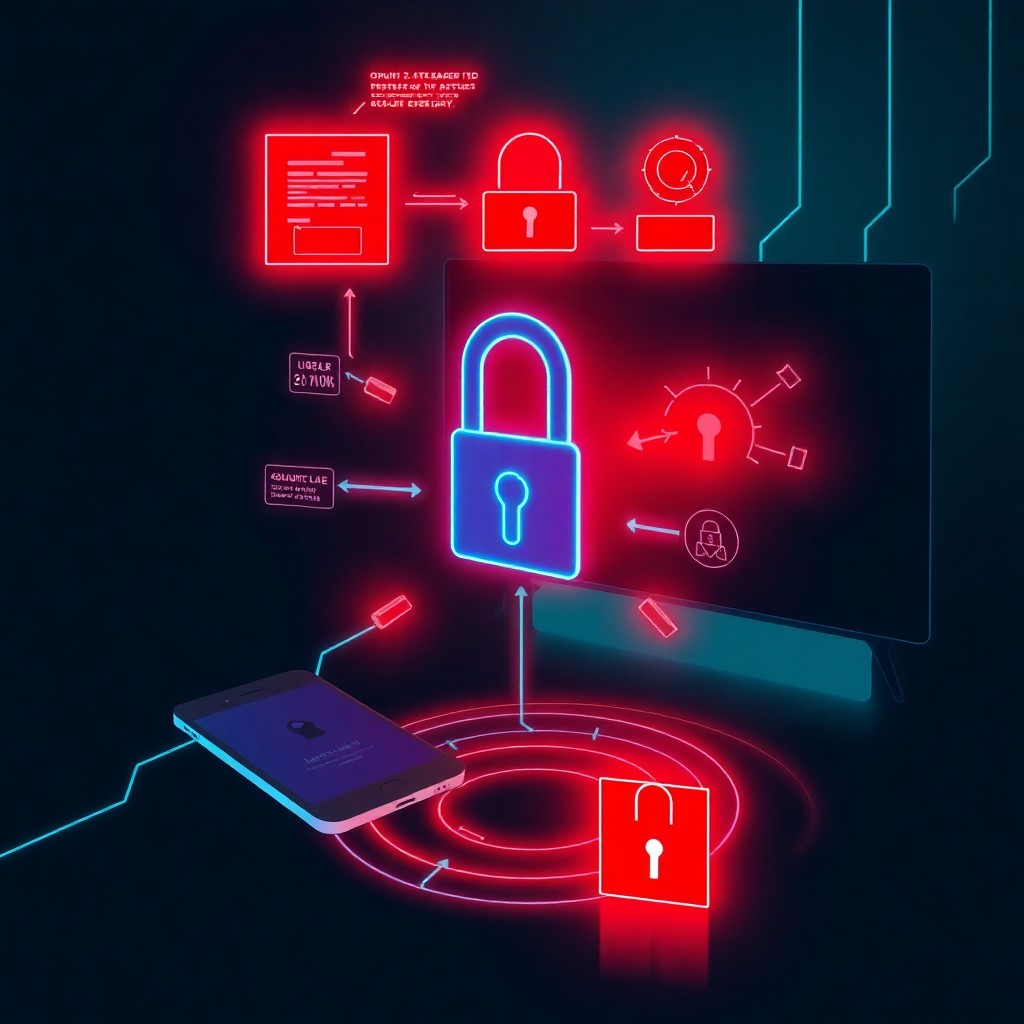
Device Code Phishing has emerged as the fastest-growing authentication attack vector in 2026, exploiting OAuth 2.0’s device authorization flow to bypass MFA and gain persistent access to cloud environments. This technique tricks users into authenticating malicious applications through legitimate Microsoft, Google, or other OAuth providers, granting attackers seamless access to corporate resources without triggering traditional security alerts. Understanding the six key factors driving this threat’s explosive growth is critical for modern security teams.
Introduction
The cybersecurity landscape is witnessing an unprecedented surge in Device Code Phishing attacks, with incident reports increasing by over 400% in the first quarter of 2026 alone. Unlike traditional phishing that targets credentials directly, this sophisticated technique manipulates the OAuth 2.0 Device Authorization Grant flow—a legitimate authentication mechanism designed for devices without browsers or limited input capabilities.
What makes Device Code Phishing particularly insidious is its abuse of trust. Attackers leverage authentic OAuth authorization pages from Microsoft, Google, and other identity providers, making the attack nearly indistinguishable from legitimate authentication flows. The result is a highly effective attack vector that bypasses multi-factor authentication (MFA), evades conditional access policies, and establishes persistent access to cloud environments.
This article examines the six primary reasons why Device Code Phishing has become the dominant OAuth threat of 2026 and provides actionable guidance for detection and prevention.
Background & Context
OAuth 2.0’s Device Authorization Grant (RFC 8628) was introduced to solve a specific problem: how to authenticate devices with limited input capabilities, such as smart TVs, IoT devices, or command-line tools. The flow works by having the device display a user code and verification URL, which the user enters on a separate device with a browser to complete authentication.
The typical legitimate flow involves:
- Device requests a device code from the authorization server
- Authorization server returns a device code, user code, and verification URL
- User navigates to the verification URL on another device
- User enters the code and authenticates
- Device polls the authorization server until authentication completes
- Device receives access and refresh tokens
Attackers discovered they could weaponize this flow by initiating the device code request themselves, then tricking victims into completing the authentication process. The attack emerged in late 2023 but gained limited traction initially due to low awareness. By 2025, threat actors began industrializing the technique, and 2026 has seen explosive adoption across criminal and espionage operations.
Technical Breakdown
Device Code Phishing attacks follow a systematic exploitation pattern:
Stage 1: Attack Initialization
The attacker initiates a device code flow request to the target OAuth provider:
POST https://login.microsoftonline.com/common/oauth2/v2.0/devicecode
Content-Type: application/x-www-form-urlencoded

client_id=
&scope=https://graph.microsoft.com/.default offline_access
The authorization server responds with:
{
  "device_code": "BAQABAAEAAADCoMpjJXr...",
  "user_code": "KRWD-TMPL",
  "verification_uri": "https://microsoft.com/devicelogin",
  "expires_in": 900,
  "interval": 5
}
Stage 2: Social Engineering Delivery
Attackers deliver the user code and verification URL through various channels:
- Phishing emails disguised as IT security notifications
- SMS messages claiming account verification requirements
- QR codes in physical or digital formats
- Fake help desk calls or chat support sessions
- Compromised legitimate websites injecting fake prompts
Stage 3: Victim Authentication
The victim navigates to the legitimate OAuth provider’s device login page and enters the attacker-provided code. The authentication page is genuine, hosted on microsoft.com, google.com, or another trusted domain. After entering credentials and completing any MFA requirements, the victim grants the application requested permissions.
Stage 4: Token Acquisition
Meanwhile, the attacker’s script polls the authorization endpoint:
import requests
import time

while True:
    response = requests.post(
        "https://login.microsoftonline.com/common/oauth2/v2.0/token",
        data={
            "grant_type": "urn:ietf:params:oauth:grant-type:device_code",
            "device_code": device_code,
            "client_id": client_id
        }
    )
    if response.status_code == 200:
        tokens = response.json()
        break
    time.sleep(5)
Once authentication completes, the attacker receives access and refresh tokens with the granted permissions.
Stage 5: Persistence & Exploitation
With valid tokens, attackers can access cloud resources, exfiltrate data, establish persistence through additional malicious OAuth apps, and move laterally across the environment—all while appearing as legitimate authenticated sessions.
Impact & Risk Assessment
The risk profile of Device Code Phishing is exceptionally severe across multiple dimensions:
Bypass of Security Controls
Device Code Phishing circumvents most modern security measures:
- MFA Bypass: Users complete legitimate MFA during the attack
- Conditional Access Evasion: Tokens inherit the user’s compliant session
- Anomaly Detection Blind Spots: Authentication appears legitimate from authorized locations
- Traditional Phishing Filters: No credential harvesting or suspicious URLs involved
Scope of Access
Attackers typically request broad permissions including:
- Mail.ReadWrite (email access and manipulation)
- Files.ReadWrite.All (SharePoint and OneDrive data)
- User.Read.All (directory enumeration)
- offline_access (persistent refresh tokens)
Business Impact
Organizations face multiple consequences:
- Data exfiltration of sensitive business information
- Email compromise for subsequent BEC attacks
- Lateral movement facilitating broader breaches
- Compliance violations from unauthorized data access
- Reputational damage from security incidents
Attack Success Rates
Field data from 2026 indicates success rates between 15-30% when targeting general employee populations, with significantly higher rates against high-value targets through personalized campaigns.
Vendor Response
Major identity providers have implemented various defensive measures throughout 2025 and 2026:
Microsoft
- Introduced enhanced device code logging in Azure AD sign-in logs (January 2026)
- Deployed admin controls to disable device code flow for specific applications
- Added user warnings for unfamiliar applications in device login flow
- Implemented stricter consent requirements for high-privilege scopes
- Enhanced Google Workspace alerts for device code authentications
- Created admin visibility into device code grant usage
- Implemented user notifications for new device authorizations
- Developed machine learning models to detect suspicious patterns
Okta
- Added device code flow monitoring to Okta Threat Insights
- Provided granular policy controls for device authorization grants
- Enhanced audit logging for device code authentications
Despite these improvements, the fundamental challenge remains: the authentication flow itself is legitimate, making it difficult to distinguish malicious use from authorized device setups.
Mitigations & Workarounds
Organizations should implement a multi-layered defensive strategy:
Administrative Controls
Disable device code flow where not required:
# Microsoft 365 - Disable device code flow for specific apps
Set-AzureADApplication -ObjectId  -AllowPublicClient $false

# Block device code flow tenant-wide via Conditional Access
New-AzureADMSConditionalAccessPolicy -DisplayName "Block Device Code Flow" `
  -Conditions $conditions -GrantControls $blockControls
Application Governance
- Maintain an inventory of authorized applications requiring device code flow
- Implement application consent policies restricting high-risk permissions
- Require admin consent for sensitive scope requests
- Regularly audit OAuth application permissions
User Education
- Train employees to recognize device code phishing attempts
- Establish clear policies on when device authentication is legitimate
- Create reporting mechanisms for suspicious authentication requests
- Conduct simulated device code phishing exercises
Technical Controls
- Implement application reputation scoring
- Restrict device code authentication to managed devices only
- Enforce short token lifetimes and aggressive refresh requirements
- Deploy application access policies based on risk signals
Detection & Monitoring
Effective detection requires monitoring multiple data sources:
Azure AD/Entra ID Sign-In Logs
Monitor for device code authentications:
SigninLogs
| where AuthenticationProtocol == "deviceCode"
| where TimeGenerated > ago(24h)
| project TimeGenerated, UserPrincipalName, AppDisplayName,
          IPAddress, Location, DeviceDetail
| where AppDisplayName !in ("Authorized_App_List")
OAuth Consent Events
Track new application consents:
AuditLogs
| where OperationName == "Consent to application"
| where TimeGenerated > ago(7d)
| extend AppName = tostring(TargetResources[0].displayName)
| extend Permissions = tostring(TargetResources[0].modifiedProperties)
| project TimeGenerated, Identity, AppName, Permissions
Anomalous Patterns
Watch for indicators of compromise:
- Multiple device code authentications in short timeframes
- Device code flows for users who typically don’t use such devices
- Authentication from unexpected geographic locations
- Applications requesting excessive or unusual permission scopes
- User accounts with recent password changes performing device codes
SIEM Correlation Rules
Correlate device code events with:
- Phishing email delivery to the same users
- Help desk tickets around the same timeframe
- Subsequent suspicious API calls using granted tokens
- Data exfiltration patterns following authentication
Best Practices
Organizations should adopt these security practices:
Zero Trust Architecture
- Implement continuous verification rather than implicit trust
- Apply least-privilege access principles to all OAuth applications
- Segment access based on identity, device, and context
- Require step-up authentication for sensitive operations
Application Security
- Establish formal OAuth application review processes
- Document legitimate business justifications for device code flow
- Implement automated compliance checking for application permissions
- Maintain current application inventories with risk classifications
Incident Response
Develop playbooks specifically for OAuth compromise:
- Identify the malicious application and affected users
- Revoke application consent and invalidate issued tokens
- Force password reset for affected accounts
- Review audit logs for unauthorized access or data exfiltration
- Conduct forensic analysis of accessed resources
- Report incidents to relevant stakeholders and authorities
Continuous Improvement
- Regularly review and update detection rules
- Participate in threat intelligence sharing communities
- Conduct purple team exercises targeting OAuth attack vectors
- Stay informed about emerging OAuth exploitation techniques
Key Takeaways
Device Code Phishing has become 2026’s dominant OAuth threat due to six critical factors:
- Legitimate Infrastructure Abuse: Attackers leverage trusted authentication pages, eliminating user suspicion and bypassing security filters
- MFA Circumvention: The attack inherently defeats multi-factor authentication since victims complete legitimate MFA during the attack
- Security Control Gaps: Most organizations lack specific defenses against device code flow abuse, creating a security blind spot
- Low Detection Rates: The legitimate nature of the authentication makes it difficult to distinguish from authorized device setups
- Scalability: Attackers can automate campaigns and target thousands of users with minimal infrastructure
- High-Value Access: Successful attacks grant persistent, broad access to cloud environments with minimal investigation risk
Organizations must prioritize OAuth security, implement specific device code flow controls, enhance user awareness, and deploy targeted detection mechanisms to defend against this rapidly evolving threat.
References
- RFC 8628 – OAuth 2.0 Device Authorization Grant: https://datatracker.ietf.org/doc/html/rfc8628
- Microsoft Identity Platform Device Code Flow: https://learn.microsoft.com/en-us/azure/active-directory/develop/v2-oauth2-device-code
- MITRE ATT&CK T1528 – Steal Application Access Token: https://attack.mitre.org/techniques/T1528/
- Google OAuth 2.0 for TV and Limited Input Devices: https://developers.google.com/identity/protocols/oauth2/limited-input-device
- CISA OAuth Phishing Guidance: https://www.cisa.gov/oauth-phishing
Stay updated at https://cydhaal.com — Your Daily Dose of Cyber Intelligence.
📧 Subscribe to our newsletter at https://cydhaal.com/newsletter/