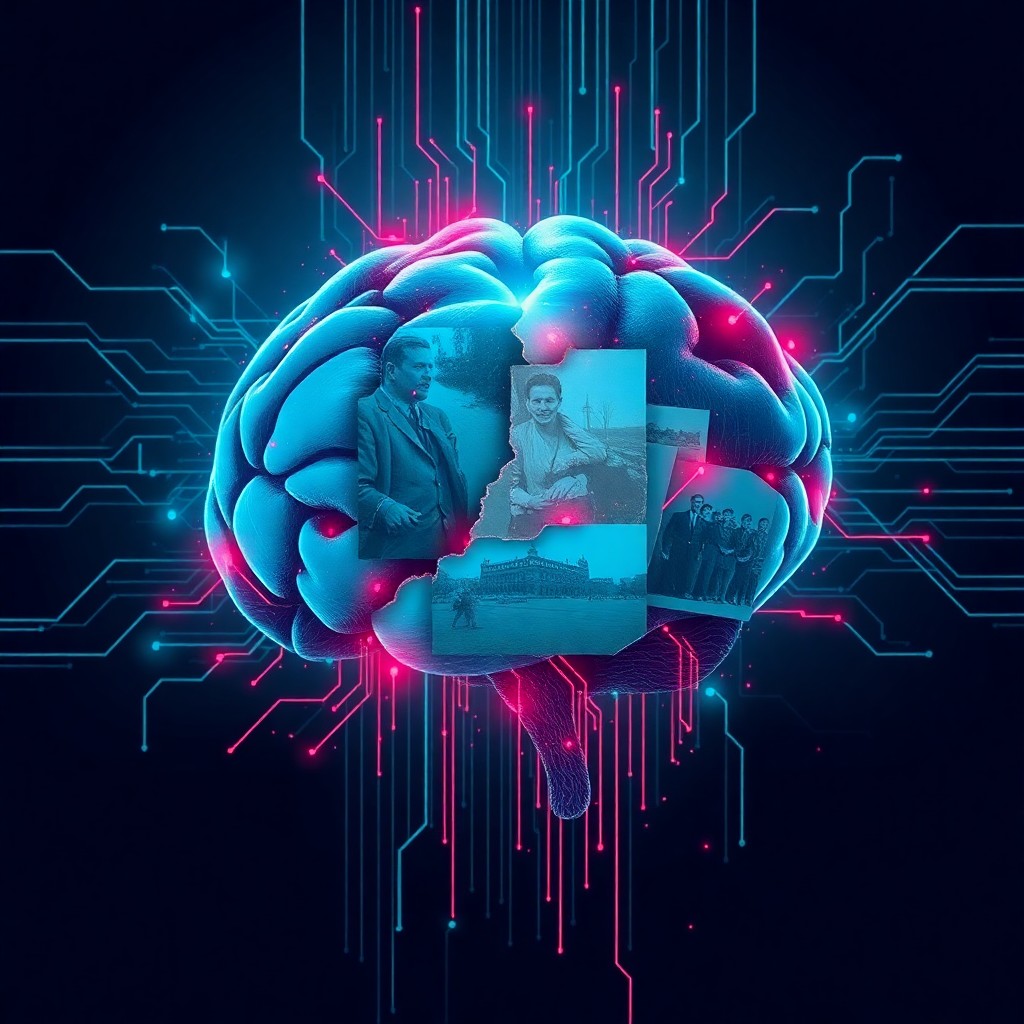
The intersection of artificial intelligence and historical documentation has reached a dangerous turning point. As AI image generation tools become increasingly sophisticated and accessible, bad actors are weaponizing this technology to create false Holocaust imagery. These fabricated images threaten to distort historical truth and undermine decades of carefully preserved testimonies and documentation. This emerging threat demands immediate attention from cybersecurity professionals, historians, and digital platforms alike as we confront a new frontier in misinformation warfare.
What Happened
Recent investigations have revealed a disturbing trend of AI-generated images depicting false or manipulated scenes from the Holocaust. These synthetic images are being created using advanced generative AI tools and subsequently distributed across social media platforms and fringe websites. The fabricated content ranges from completely invented scenarios to subtly altered historical photographs that cast doubt on documented atrocities. Holocaust denial groups and conspiracy theorists have quickly adopted these AI tools to manufacture visual evidence supporting their false narratives. The problem has escalated rapidly as image generation technology has become more realistic and easier to use without technical expertise. Digital forensics experts have documented numerous instances where these fake images have been shared alongside legitimate historical photographs, deliberately blurring the line between fact and fiction. The situation represents a new evolution in Holocaust denial tactics, moving beyond simple textual revisionism to sophisticated visual manipulation that can deceive even careful observers.
How It Works
AI image generators use deep learning models trained on vast datasets of photographs and artwork. Users input text prompts describing desired images, and the AI synthesizes completely new visuals based on patterns learned from training data. These tools can create photorealistic images that appear authentic at first glance, complete with period-appropriate clothing, architecture, and atmospheric details. Bad actors exploit these capabilities by generating images that never existed historically, then presenting them as newly discovered documentation or questioning their authenticity to sow doubt about real Holocaust evidence. The technology also enables the manipulation of genuine historical photographs through AI-powered editing tools that can seamlessly add, remove, or alter elements within authentic images. This creates a dangerous environment where the provenance and authenticity of historical documentation becomes increasingly difficult to verify. The speed and scale at which these false images can be produced and distributed amplifies their potential impact. A single individual can now generate hundreds of convincing fake images in hours, flooding information ecosystems faster than fact-checkers and historians can respond.
What You Should Do
Organizations and individuals must take proactive steps to combat this emerging threat. Digital platforms should implement robust content authentication systems that verify and label historical imagery from trusted archives and institutions. Cybersecurity teams need to develop and deploy AI detection tools specifically trained to identify synthetic Holocaust imagery and flag it for review. Educational institutions must prioritize digital literacy programs that teach critical evaluation of online imagery and awareness of AI manipulation capabilities. When encountering Holocaust-related images online, individuals should verify sources against established historical archives and reputable institutions like Yad Vashem or the United States Holocaust Memorial Museum. Report suspected AI-generated false imagery to platform moderators and fact-checking organizations immediately. Support initiatives that promote digital watermarking and blockchain verification for authentic historical documentation. Historians and archivists should accelerate efforts to digitize and cryptographically authenticate genuine Holocaust documentation before AI-generated forgeries further pollute the historical record.
The fight against AI-generated historical misinformation requires coordinated action across technology, education, and policy sectors. As generative AI capabilities continue advancing, protecting historical truth becomes both a moral imperative and a cybersecurity priority. We must act decisively to ensure that technologies designed to enhance human creativity do not become weapons against documented history and the memory of millions of victims.
Stay protected with CyDhaal. Follow us at cydhaal.com for daily updates.