Cryptocurrency security has taken an alarming turn as cybercriminals expand their tactics beyond digital channels. Security researchers and Ledger hardware wallet users across multiple countries have reported receiving sophisticated physical letters designed to steal sensitive wallet information. These physical phishing attempts represent a dangerous evolution in social engineering attacks, demonstrating that threat actors are willing to invest significant resources to compromise cryptocurrency holdings.
What Happened
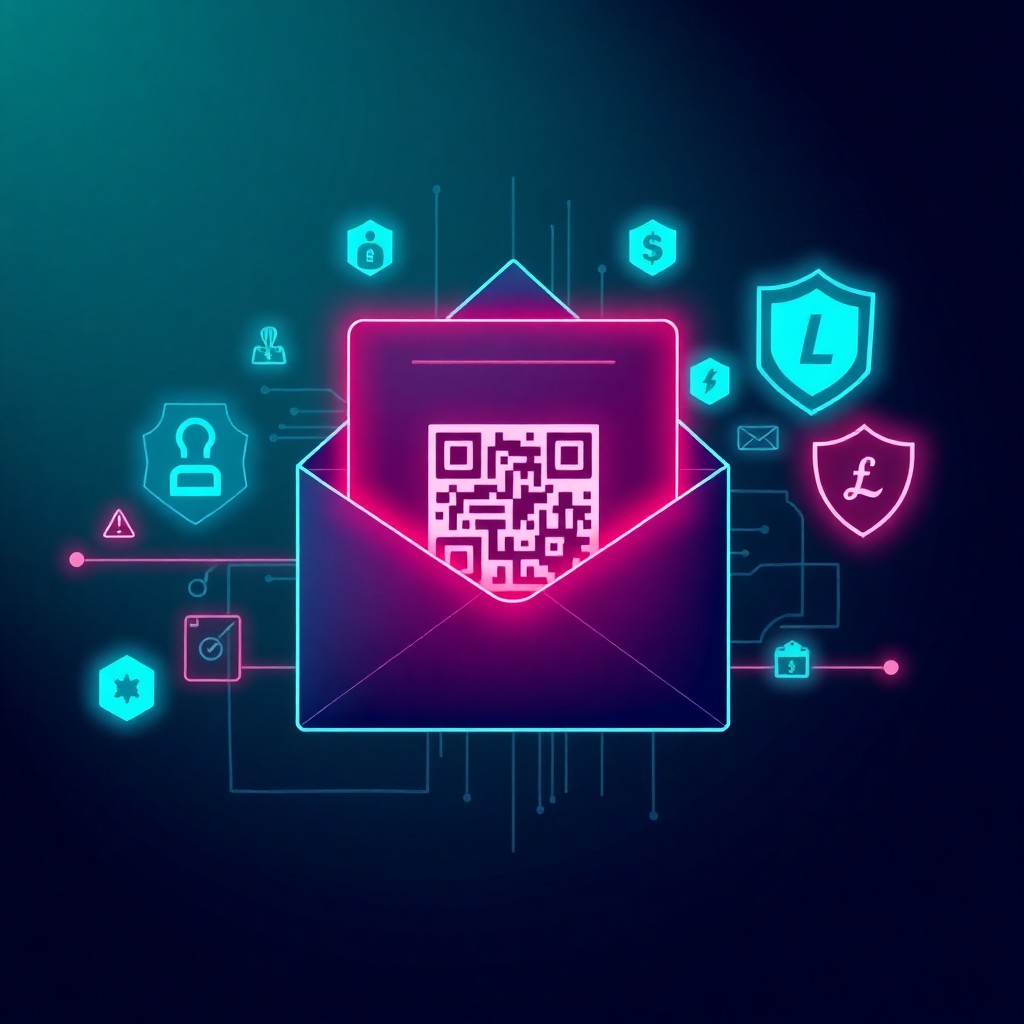
Ledger hardware wallet owners have been receiving official-looking letters in their physical mailboxes that appear to come from the legitimate company. These letters typically warn recipients about alleged security vulnerabilities or mandatory firmware updates requiring immediate action. The correspondence includes instructions directing users to visit fraudulent websites or scan QR codes that lead to phishing pages designed to capture 24-word seed phrases. Some letters claim that users must verify their recovery phrases to secure their wallets or prevent account closure.
The scammers obtained physical addresses from the 2020 Ledger data breach, which exposed personal information of approximately 270,000 customers including names, email addresses, phone numbers, and postal addresses. This stolen data has continued to fuel targeted attacks against cryptocurrency holders years after the initial compromise. The physical nature of these letters adds a layer of perceived legitimacy that can bypass the skepticism many users have developed toward email phishing attempts. Recipients across Europe, North America, and other regions have reported these mailings, indicating a coordinated international campaign.
How It Works
The attack exploits psychological manipulation combined with the authority and tangibility of physical mail. Cybercriminals design letters with branding, logos, and formatting that closely mimic legitimate Ledger communications. The documents often include urgent language about security threats or compliance requirements to create pressure for immediate action.
When victims visit the fraudulent websites or scan the provided QR codes, they encounter convincing replicas of legitimate Ledger interfaces. These phishing pages request users to enter their 24-word recovery seed phrases under false pretenses such as verification, migration, or security updates. Once criminals obtain these seed phrases, they gain complete control over the associated cryptocurrency wallets and can drain all funds within minutes.
The physical delivery method serves multiple strategic purposes for attackers. It bypasses email spam filters and security software that might flag digital phishing attempts. It also targets users who may have strong digital security practices but remain vulnerable to traditional mail-based social engineering. The investment in printing, postage, and international mailing demonstrates the high-value targets cryptocurrency holders represent to organized cybercrime groups.
What You Should Do
Cryptocurrency users must understand that legitimate hardware wallet companies will never ask for seed phrases under any circumstances. Your recovery phrase should only be used when restoring a wallet on a device you personally control and should never be entered into websites or shared through any communication channel.
If you receive suspicious physical mail claiming to be from Ledger or any cryptocurrency service, do not follow any links or scan any QR codes. Instead, navigate directly to the official company website through your browser by manually typing the verified URL. Contact customer support through official channels to verify whether the communication was legitimate.
Consider that your personal information may be compromised if you purchased cryptocurrency products or services before major data breaches. Enable all available security features including PIN codes, passphrase protection, and multi-signature requirements where applicable. Store your seed phrase securely offline in multiple physical locations, never digitally.
Report phishing attempts to the legitimate company and relevant authorities. Document the letters with photographs before disposal. Remain vigilant for follow-up attempts through other channels including phone calls, text messages, or emails that may reference the physical letters.
The cryptocurrency ecosystem continues to face sophisticated threats that blend traditional fraud techniques with modern technology. Physical phishing represents just one vector in an evolving threat landscape where criminals continuously adapt their methods to exploit user trust and urgency.
Stay protected with CyDhaal. Follow us at cydhaal.com for daily updates.