









A sophisticated malware strain dubbed TONResolver has emerged, leveraging The Open Network (TON) blockchain smart contracts as a dead drop resolver (DDR) mechanism for dynamic command-and-control (C2) infrastructure switching. This novel evasion technique exploits the immutable and decentralized nature of blockchain technology to maintain persistent communication channels while evading traditional network-based detection methods. The malware represents a significant evolution in C2 infrastructure resilience, combining cryptocurrency blockchain technology with advanced operational security techniques.
Introduction
Threat actors continuously innovate their command-and-control infrastructure to maintain persistence and evade detection. TONResolver represents the latest evolution in this ongoing cat-and-mouse game, utilizing The Open Network blockchain as a decentralized dead drop resolver system. Unlike traditional C2 architectures that rely on hardcoded domains or IP addresses, TONResolver queries TON smart contracts to dynamically retrieve active C2 server addresses, making takedown efforts significantly more challenging.
This blockchain-based approach provides threat actors with a censorship-resistant, globally accessible, and virtually untraceable method for updating their infrastructure. As defenders have become more effective at disrupting traditional C2 channels through domain seizures and sinkholing operations, attackers have turned to decentralized technologies that operate outside conventional internet infrastructure.
The emergence of TONResolver signals a concerning trend where malware authors increasingly adopt Web3 technologies to enhance operational resilience and complicate attribution efforts.
Background & Context
Dead drop resolvers have been employed in cyber operations for over a decade, with threat actors using compromised websites, social media platforms, and public paste services to host encrypted C2 information. Notable predecessors include malware families that leveraged Twitter posts, GitHub repositories, and Reddit comments for C2 coordination.
The Open Network (TON) blockchain, originally developed by Telegram’s team, provides a high-performance platform for decentralized applications and smart contracts. Its relatively low transaction fees and fast confirmation times make it an attractive option for malicious actors seeking blockchain-based infrastructure.
Previous blockchain-based C2 implementations have utilized Bitcoin, Ethereum, and other cryptocurrencies, but these often suffered from high transaction costs and slower block times. TON’s architecture addresses many of these limitations, making it a more practical choice for real-time operational requirements.
The TONResolver campaign appears to target corporate networks, with initial infection vectors including spear-phishing emails and compromised software supply chains. Once deployed, the malware establishes persistence and initiates its blockchain-based C2 resolution process.
Technical Breakdown
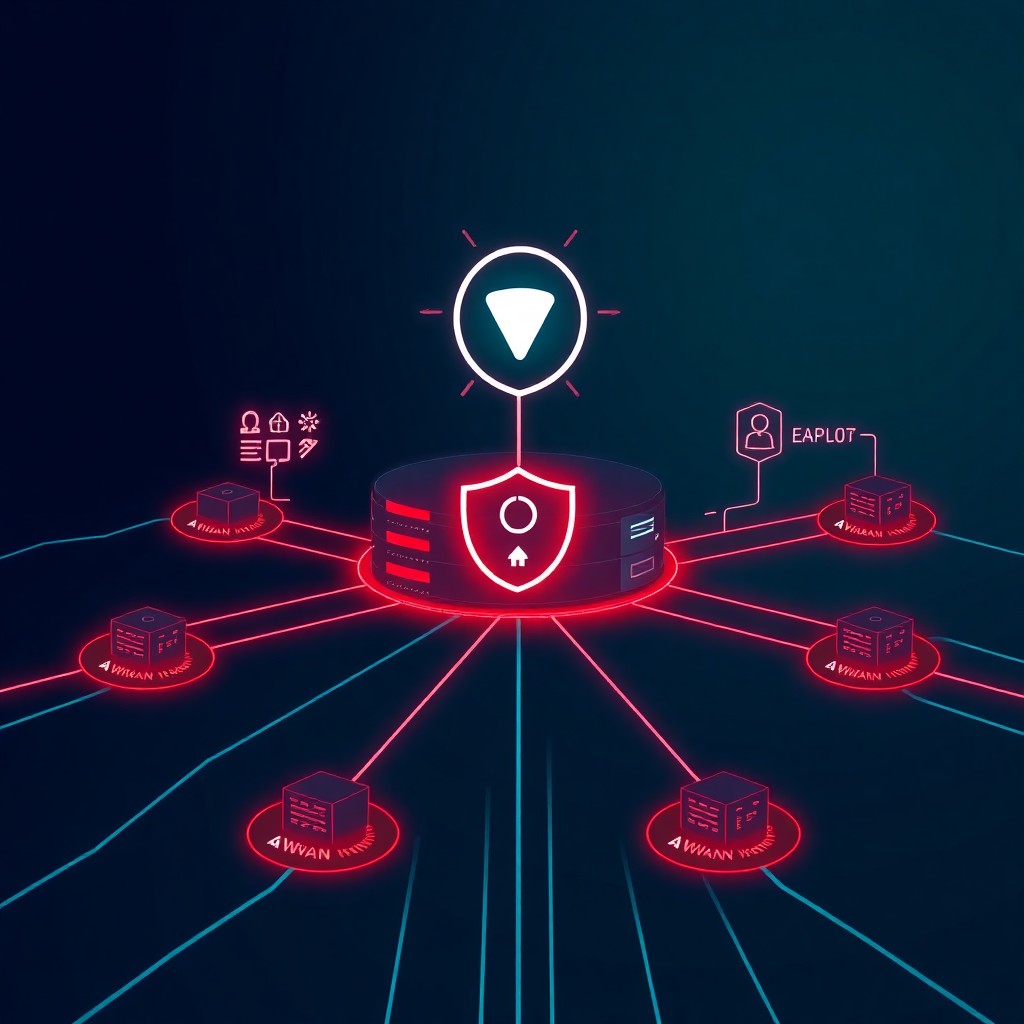
TONResolver’s architecture consists of three primary components: the malware client, the TON smart contract resolver, and the backend C2 infrastructure.
Smart Contract Interaction
The malware contains a hardcoded TON smart contract address that serves as the primary resolver. Upon execution, TONResolver initiates a query to this contract using TON’s API infrastructure:
# Conceptual representation of TON contract query
ton_contract_address = "EQD...hardcoded_address"
query_method = "get_current_c2"

response = ton_client.run_get_method(
    address=ton_contract_address,
    method=query_method,
    stack=[]
)

c2_data = decode_response(response)
The smart contract stores encrypted C2 server information in its data cells, which can be updated by the threat actor through authenticated transactions. This design allows operators to rotate infrastructure without pushing updates to infected endpoints.
Data Encoding and Encryption
Retrieved data undergoes multiple decryption layers. The malware first extracts the base64-encoded payload from the smart contract response, then applies AES-256 decryption using a key derived from environmental artifacts and hardcoded salts:
# Extracted C2 data structure (conceptual)
{
  "primary": "45.67.89.123:443",
  "backup": ["backup1.example.com", "backup2.example.com"],
  "timestamp": 1703847362,
  "signature": "a3f5b9c8..."
}
Communication Flow
Once C2 addresses are resolved, TONResolver establishes HTTPS connections using certificate pinning to prevent interception. The malware implements a fallback mechanism that returns to the TON resolver if primary C2 channels become unavailable, creating a highly resilient communication architecture.
Persistence and Stealth
TONResolver establishes persistence through scheduled tasks and registry modifications while implementing anti-analysis techniques including sandbox detection, debugger checks, and VM identification. The blockchain query traffic blends with legitimate cryptocurrency and Web3 application traffic, making behavioral detection challenging.
Impact & Risk Assessment
Severity: High
TONResolver presents multiple significant risks to affected organizations:
Operational Resilience: Traditional C2 disruption methods become ineffective as threat actors can update infrastructure without modifying malware binaries or DNS records. Blockchain immutability ensures the resolver remains accessible even under active incident response.
Detection Challenges: Standard network monitoring struggles to identify malicious blockchain queries among legitimate Web3 traffic. The encrypted nature of smart contract data prevents straightforward signature-based detection.
Attribution Complexity: TON’s privacy features and the use of mixing services for contract funding make threat actor attribution significantly more difficult, potentially enabling prolonged campaigns.
Scalability: A single smart contract can coordinate thousands of infected endpoints, providing attackers with centralized control through decentralized infrastructure.
Legal and Jurisdictional Issues: Blockchain-based infrastructure operates outside traditional legal frameworks, making takedown operations and law enforcement intervention extremely complex.
Organizations in the financial services, technology, and critical infrastructure sectors face elevated risk due to the sophisticated nature of this threat and the high-value data typically targeted in such campaigns.
Vendor Response
Major cybersecurity vendors have begun implementing detection capabilities for blockchain-based C2 mechanisms. Palo Alto Networks, CrowdStrike, and Microsoft Defender have released threat intelligence updates incorporating TONResolver indicators.
The TON Foundation has not issued an official statement regarding malicious use of their blockchain infrastructure, though community discussions acknowledge the challenge of preventing abuse while maintaining platform openness and censorship resistance.
Blockchain analysis firms including Chainalysis and Elliptic are developing methodologies to identify and track smart contracts associated with malicious activities, though the pseudonymous nature of blockchain transactions presents significant analytical challenges.
Several threat intelligence platforms now include TON smart contract monitoring capabilities, allowing organizations to receive alerts when known malicious contracts are updated or accessed from their networks.
Mitigations & Workarounds
Organizations should implement multiple defensive layers to address TONResolver threats:
Network Controls
Block or heavily monitor access to TON blockchain infrastructure at the network perimeter:
# Example firewall rule (adjust for your environment)
iptables -A OUTPUT -d ton-blockchain-nodes -j DROP
iptables -A OUTPUT -p tcp --dport 443 -m string --string "ton-api" --algo bm -j LOG
Implement TLS inspection for outbound HTTPS traffic to identify TON API communication patterns, while respecting privacy regulations and policies.
Endpoint Protection
Deploy endpoint detection and response (EDR) solutions with behavioral analysis capabilities that can identify anomalous blockchain API interactions and cryptocurrency-related process activity.
Application Whitelisting
Restrict execution to approved applications and implement strict software installation policies to prevent initial infection vectors.
Email Security
Enhance email filtering to identify and quarantine spear-phishing attempts, particularly those containing suspicious attachments or links to software downloads.
Segmentation
Implement network segmentation to contain potential infections and prevent lateral movement, limiting the impact even if initial compromise occurs.
Detection & Monitoring
Security teams should implement multiple detection strategies:
Network Monitoring
Monitor for connections to known TON blockchain nodes and API endpoints:
# Suricata rule example
alert tls any any -> any any (msg:"TON Blockchain API Access"; \
  tls.sni; content:"ton"; nocase; \
  sid:1000001; rev:1;)
Behavioral Analytics
Establish baselines for cryptocurrency and blockchain-related traffic, alerting on deviations or unexpected sources initiating such connections.
Endpoint Telemetry
Monitor for suspicious process chains, particularly those involving:
- Cryptocurrency wallet libraries
- Blockchain API client libraries
- Unusual network connections preceded by cryptographic operations
Smart Contract Monitoring
Organizations can proactively monitor known malicious TON smart contracts for updates, providing early warning of infrastructure changes:
# Monitoring script concept
def monitor_contract(contract_address):
    last_state = get_contract_state(contract_address)
    while True:
        current_state = get_contract_state(contract_address)
        if current_state != last_state:
            alert_security_team(contract_address, current_state)
            last_state = current_state
        sleep(300)  # Check every 5 minutes
Log Analysis
Correlate endpoint, network, and authentication logs to identify infection patterns and lateral movement attempts.
Best Practices
Organizations should adopt comprehensive security measures to defend against blockchain-based C2 mechanisms:
Zero Trust Architecture: Implement strict access controls and continuous verification for all network communications, particularly to external services.
Threat Intelligence Integration: Incorporate feeds that include blockchain-based indicators of compromise and smart contract addresses associated with malicious activity.
Security Awareness Training: Educate employees about evolving phishing techniques and social engineering tactics used in initial compromise attempts.
Incident Response Planning: Develop playbooks specifically addressing blockchain-based C2 scenarios, including procedures for blockchain forensics and specialized analysis requirements.
Regular Security Assessments: Conduct penetration testing that includes scenarios involving alternative C2 channels and advanced evasion techniques.
Patch Management: Maintain current security updates across all systems to prevent exploitation of known vulnerabilities used in initial access.
Backup and Recovery: Implement robust backup strategies with offline storage to enable recovery from potential ransomware or destructive attacks.
Key Takeaways
- TONResolver represents a significant evolution in C2 infrastructure, leveraging blockchain technology for enhanced resilience and evasion
- Traditional network-based detection and disruption methods face substantial challenges against decentralized infrastructure
- Organizations must adopt multi-layered defensive strategies combining network controls, endpoint protection, and behavioral analytics
- The emergence of blockchain-based C2 mechanisms signals a broader trend of malware adopting Web3 technologies
- Effective defense requires threat intelligence integration, proactive monitoring, and specialized detection capabilities
- Cross-industry collaboration and information sharing become increasingly critical as attackers leverage decentralized technologies
- Legal and technical challenges surrounding blockchain-based infrastructure necessitate new approaches to threat disruption and attribution
References
- The Open Network (TON) Technical Documentation
- Blockchain-Based C2 Research Papers (Various Academic Sources)
- MITRE ATT&CK Framework – T1102 (Web Service for C2)
- Threat Intelligence Reports from Major Security Vendors
- Cryptocurrency Forensics and Blockchain Analysis Methodologies
- Dead Drop Resolver Historical Analysis and Case Studies
Stay updated at https://cydhaal.com — Your Daily Dose of Cyber Intelligence.
📧 Subscribe to our newsletter at https://cydhaal.com/newsletter/