









Law enforcement and cybersecurity partners have successfully disrupted the SocGholish malware distribution network, severing a critical access pathway used by the notorious Evil Corp cybercrime syndicate. The takedown targeted the Traffic Distribution System (TDS) infrastructure responsible for delivering fake browser update prompts that infected thousands of victims globally. This operation represents a significant blow to initial access operations that facilitated ransomware deployments, data theft, and network compromises across enterprise environments.
Introduction
The SocGholish malware framework, also tracked as FakeUpdates, has operated as one of the most persistent initial access vectors in the cybercrime ecosystem since 2017. Operating through compromised legitimate websites, this JavaScript-based malware masquerades as critical browser updates to trick victims into downloading malicious payloads. The recent coordinated takedown of its Traffic Distribution System infrastructure marks a pivotal moment in disrupting the supply chain that enabled Evil Corp and affiliated threat actors to compromise corporate networks at scale.
This operation underscores the critical role that malicious TDS infrastructure plays in modern cybercrime operations. By controlling the distribution mechanism rather than individual payloads, the SocGholish operators created a resilient, profitable service that multiple threat actors leveraged for initial network access. Understanding this infrastructure’s mechanics and the implications of its disruption provides essential context for organizations evaluating their exposure to similar threats.
Background & Context
SocGholish emerged as a sophisticated malware distribution framework operated primarily through compromised WordPress sites and other content management systems. The attack chain relied on injected JavaScript code that profiled visitors and selectively displayed convincing fake browser update notifications. When victims downloaded what appeared to be a Chrome, Firefox, or Edge update, they instead received a malicious JavaScript file that established initial foothold access.
Evil Corp, a Russia-based cybercrime organization sanctioned by the U.S. Treasury Department, utilized SocGholish as a preferred initial access mechanism. The group, linked to Dridex banking trojans and BitPaymer ransomware operations, evolved its tactics following sanctions to include rebrand operations under names like WastedLocker, Hades, and Phoenix Locker. SocGholish provided the group with plausible deniability through third-party access infrastructure while maintaining operational effectiveness.
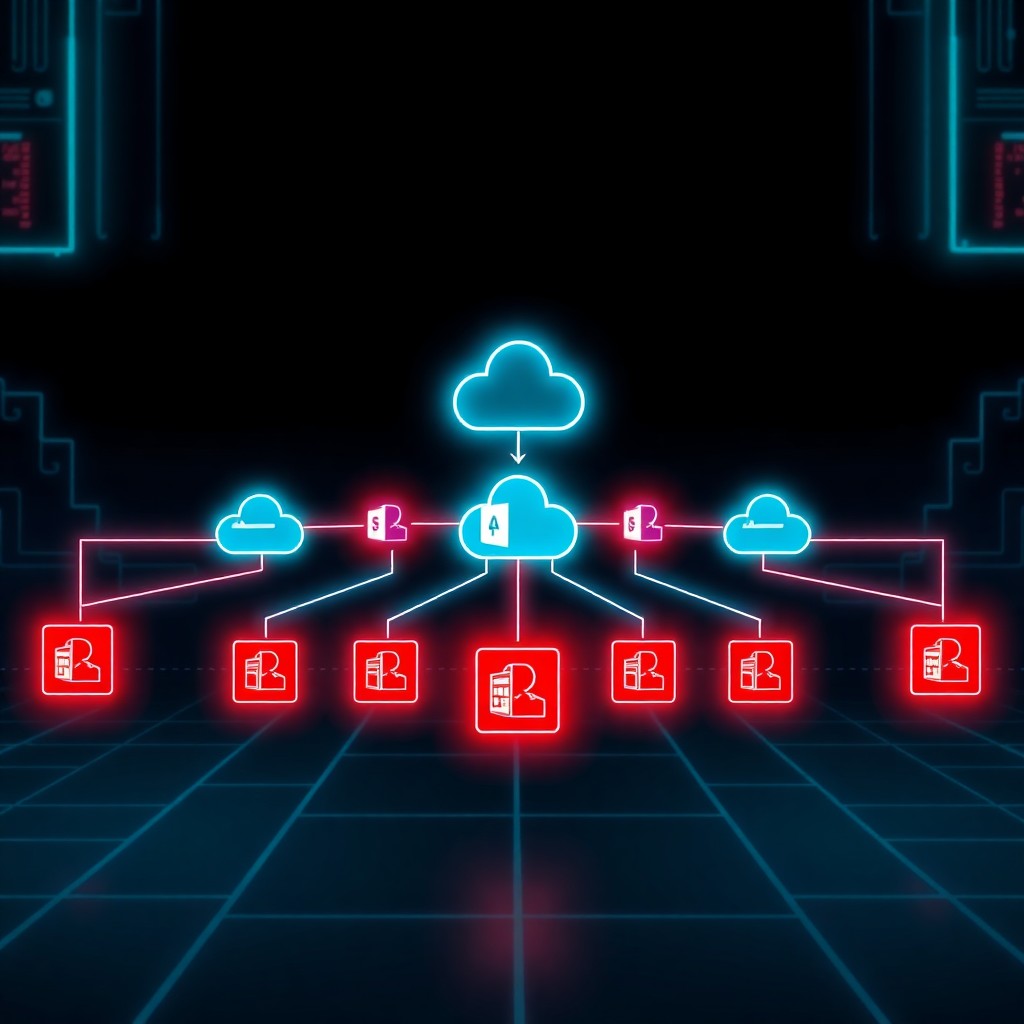
The Traffic Distribution System at SocGholish’s core functioned as a sophisticated filtering and routing mechanism. It analyzed victim characteristics including geolocation, browser fingerprints, IP reputation, and organizational context before deciding whether to serve malicious content. This selective targeting helped evade security researchers and sandboxes while maximizing successful compromises of high-value targets.
Technical Breakdown
The SocGholish infection chain operated through multiple distinct phases:
Phase 1: Initial Compromise
Attackers compromised legitimate websites through vulnerable plugins, stolen credentials, or supply chain attacks. They injected obfuscated JavaScript code into site headers or footers that loaded from attacker-controlled domains.
Phase 2: Traffic Distribution
The injected script communicated with TDS infrastructure that profiled visitors through multiple parameters:
// Simplified representation of TDS profiling
{
  "browser": "Chrome/120.0.0.0",
  "os": "Windows NT 10.0",
  "referrer": "google.com",
  "ip_reputation": "clean",
  "geolocation": "US",
  "corporate_indicators": true
}
The TDS evaluated these parameters against targeting criteria before deciding whether to serve malicious content or benign traffic.
Phase 3: Payload Delivery
Victims meeting targeting criteria received a browser overlay displaying a convincing update notification. The fake update prompt matched the victim’s actual browser, including appropriate branding and messaging. Downloaded files typically appeared as:
Chrome.Update.js
Firefox-patch.js
Edge_Installer.js
Phase 4: Execution Chain
The JavaScript payload performed reconnaissance, collected system information, and established command-and-control communications. Subsequent payloads varied based on the purchasing threat actor but frequently included:
- Cobalt Strike beacons
- NetSupport RAT
- Custom loaders for ransomware
- Credential harvesting tools
The modular nature allowed Evil Corp and other clients to customize post-exploitation activities while leveraging SocGholish for reliable initial access.
Impact & Risk Assessment
The SocGholish operation infected an estimated 250,000+ systems globally before the takedown, with corporate networks representing approximately 40% of successful compromises. The malware’s ability to bypass traditional security controls through social engineering rather than technical exploits made it particularly effective against organizations relying solely on signature-based detection.
Financial Impact
Organizations compromised through SocGholish faced average remediation costs exceeding $1.2 million when ransomware deployment occurred. This figure includes incident response, system restoration, business interruption, and regulatory compliance costs. Evil Corp operations specifically targeted entities with cyber insurance policies, often demanding ransoms calibrated to policy limits.
Operational Risk
The dwell time between initial SocGholish infection and detected malicious activity averaged 14 days, providing threat actors substantial opportunity for lateral movement, credential harvesting, and data exfiltration. Many victims discovered compromises only after ransomware deployment or when law enforcement provided breach notifications.
Sector Exposure
Healthcare, financial services, manufacturing, and legal sectors experienced disproportionate targeting due to data sensitivity and operational disruption intolerance. The TDS specifically filtered for corporate IP ranges and Active Directory environments, deprioritizing residential users.
Vendor Response
Microsoft, Google, and Mozilla collaborated with law enforcement throughout the takedown operation, providing telemetry data that helped map the TDS infrastructure and identify compromised legitimate websites. Browser vendors implemented enhanced warnings for JavaScript files masquerading as updates and improved detection of the specific obfuscation techniques SocGholish employed.
Web security platforms including Cloudflare, Akamai, and Sucuri released detection signatures for the injected JavaScript patterns and began proactive scanning of customer sites for compromise indicators. WordPress.org issued security advisories addressing the most commonly exploited plugin vulnerabilities that enabled initial site compromises.
The FBI’s Internet Crime Complaint Center (IC3) established a dedicated reporting mechanism for organizations identifying SocGholish infections, facilitating victim notification and threat intelligence sharing. Domain registrars cooperated in seizing command-and-control infrastructure across multiple jurisdictions.
Mitigations & Workarounds
Organizations should implement layered defenses addressing both the social engineering and technical components:
Immediate Actions
- Block execution of JavaScript files downloaded from browsers
- Implement application whitelisting to prevent unauthorized script execution
- Configure browser policies preventing users from downloading executable content outside managed channels
Group Policy Configuration (Windows)
# Block JavaScript execution from Downloads folder
New-ItemProperty -Path "HKLM:\SOFTWARE\Policies\Microsoft\Windows\Safer\CodeIdentifiers" `
  -Name "DefaultLevel" -Value 0 -PropertyType DWord

# Configure AppLocker rules
Get-AppLockerFileInformation -Path "C:\Users\\Downloads\.js" |
  New-AppLockerPolicy -RuleType Path -User Everyone -RuleNamePrefix "Block_Downloads"
Network Controls
- Monitor and alert on JavaScript downloads from web browsers
- Implement DNS filtering to block known SocGholish C2 domains
- Deploy web proxies with SSL inspection to detect malicious JavaScript injection
User Education
- Train users that browsers never distribute updates through website prompts
- Establish clear procedures for legitimate software update processes
- Implement reporting mechanisms for suspicious update prompts
Detection & Monitoring
Security teams should deploy detection logic addressing multiple attack chain phases:
Network Indicators
Monitor for HTTP requests matching SocGholish TDS patterns:
alert http any any -> any any (
  msg:"Possible SocGholish TDS Communication";
  content:"POST";
  http_method;
  content:"application/json";
  http_header;
  pcre:"/\{.browser.os.referrer.\}/";
  sid:1000001;
)
Endpoint Indicators
- JavaScript files in user Downloads directories
- Unusual wscript.exe or cscript.exe executions
- PowerShell spawning from script interpreters
- Reconnaissance commands following JavaScript execution
SIEM Queries
-- Detect JavaScript execution from Downloads
SELECT
  timestamp,
  user,
  process_path,
  command_line
FROM process_events
WHERE parent_process LIKE '%script.exe'
  AND command_line LIKE '%Downloads%*.js%'
Behavioral Analytics
- Baseline normal browser download patterns
- Alert on JavaScript downloads followed by script interpreter execution
- Correlate with subsequent network connections to unfamiliar destinations
Best Practices
Preventive Architecture
- Implement least privilege principles limiting script execution permissions
- Deploy endpoint detection and response (EDR) solutions with behavioral analysis
- Maintain rigorous patch management for web applications and CMS platforms
- Utilize network segmentation to contain potential breaches
Website Integrity Monitoring
Organizations hosting web properties should:
- Implement file integrity monitoring detecting unauthorized modifications
- Deploy web application firewalls with JavaScript injection detection
- Conduct regular security assessments of third-party plugins and components
- Maintain incident response procedures for website compromise scenarios
Supply Chain Security
- Audit third-party JavaScript included in web properties
- Implement Content Security Policy headers restricting script sources
- Monitor for unexpected external resource loading
- Establish change management processes for website modifications
Continuous Improvement
- Participate in information sharing communities like FS-ISAC
- Review security telemetry for compromise indicators
- Conduct tabletop exercises simulating initial access scenarios
- Update detection logic based on evolving tactics
Key Takeaways
The SocGholish TDS takedown demonstrates law enforcement’s increasing capability to disrupt cybercrime infrastructure, but organizations must recognize that threat actors will adapt. The social engineering approach exploited user trust rather than technical vulnerabilities, requiring security programs addressing human factors alongside technical controls.
Initial access brokers remain a thriving component of the cybercrime ecosystem. Disrupting one distribution mechanism creates temporary operational friction but doesn’t eliminate demand. Organizations should expect alternative frameworks emerging to fill the void left by SocGholish’s disruption.
Effective defense requires layered controls spanning user education, technical restrictions, network monitoring, and incident response capabilities. No single control adequately addresses sophisticated social engineering combined with legitimate-appearing infrastructure abuse.
The collaboration between private sector vendors and law enforcement proves essential for infrastructure-level disruption. Organizations should actively participate in threat intelligence sharing and support takedown operations through timely reporting and cooperation.
References
- FBI Internet Crime Complaint Center – SocGholish Advisory (2024)
- Microsoft Threat Intelligence – Evil Corp Evolution Analysis
- Mandiant – FakeUpdates/SocGholish Technical Analysis
- U.S. Treasury Department – Evil Corp Sanctions Designation
- Cloudflare – SocGholish Detection and Remediation Guide
- CISA – Traffic Distribution System Threat Alert
Stay updated at https://cydhaal.com — Your Daily Dose of Cyber Intelligence.
📧 Subscribe to our newsletter at https://cydhaal.com/newsletter/